
Commissioner Lighe Promises To Champion Enhanced Maritime Rescue Regimen
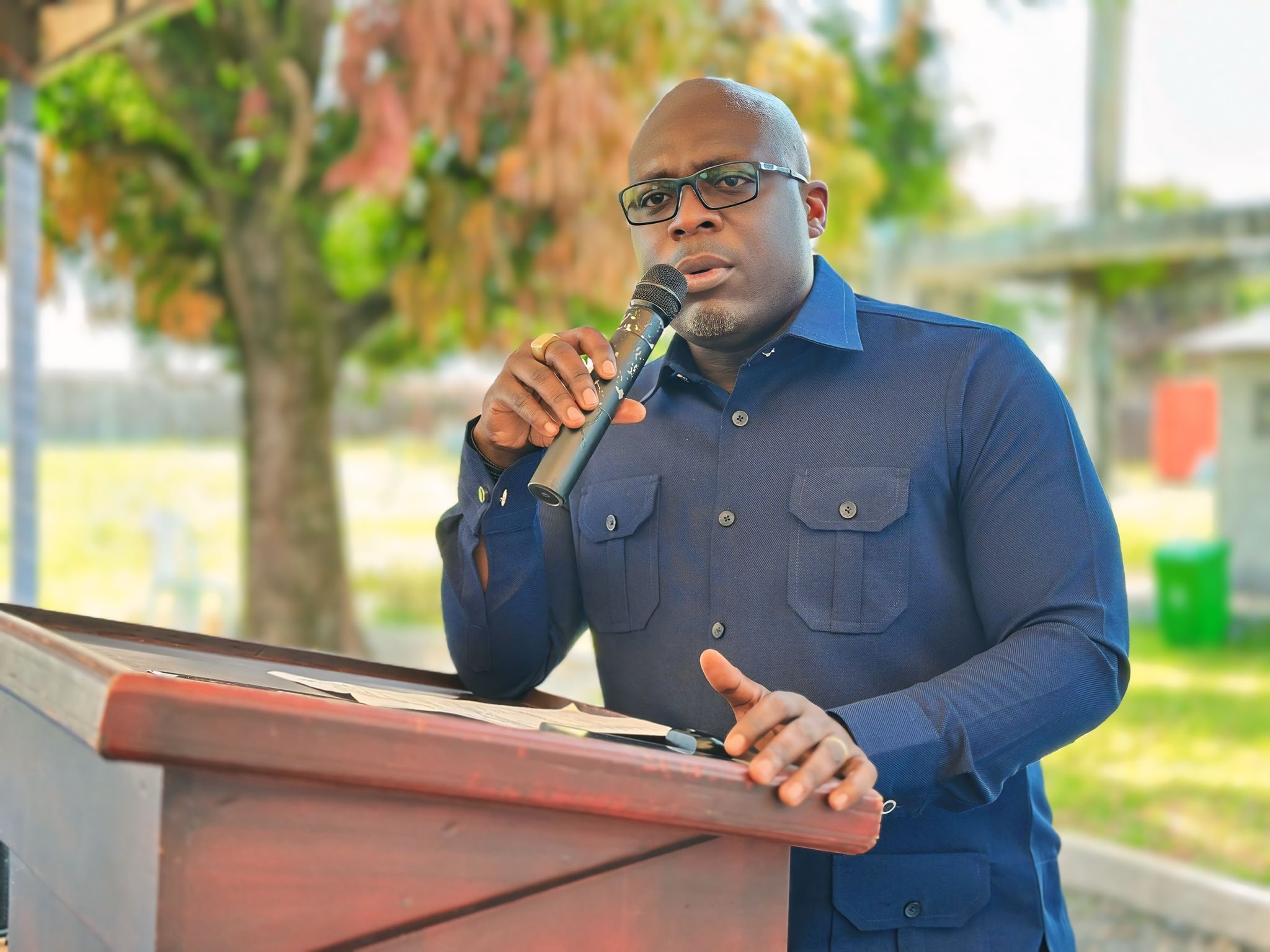
The Commissioner/CEO of the Liberia Maritime Authority (LiMA), Cllr. Neto Zarzar Lighe Sr. has voiced his commitment to champion an enhanced maritime rescue response regimen, one that would showcase Liberia as the word’s largest flag state.
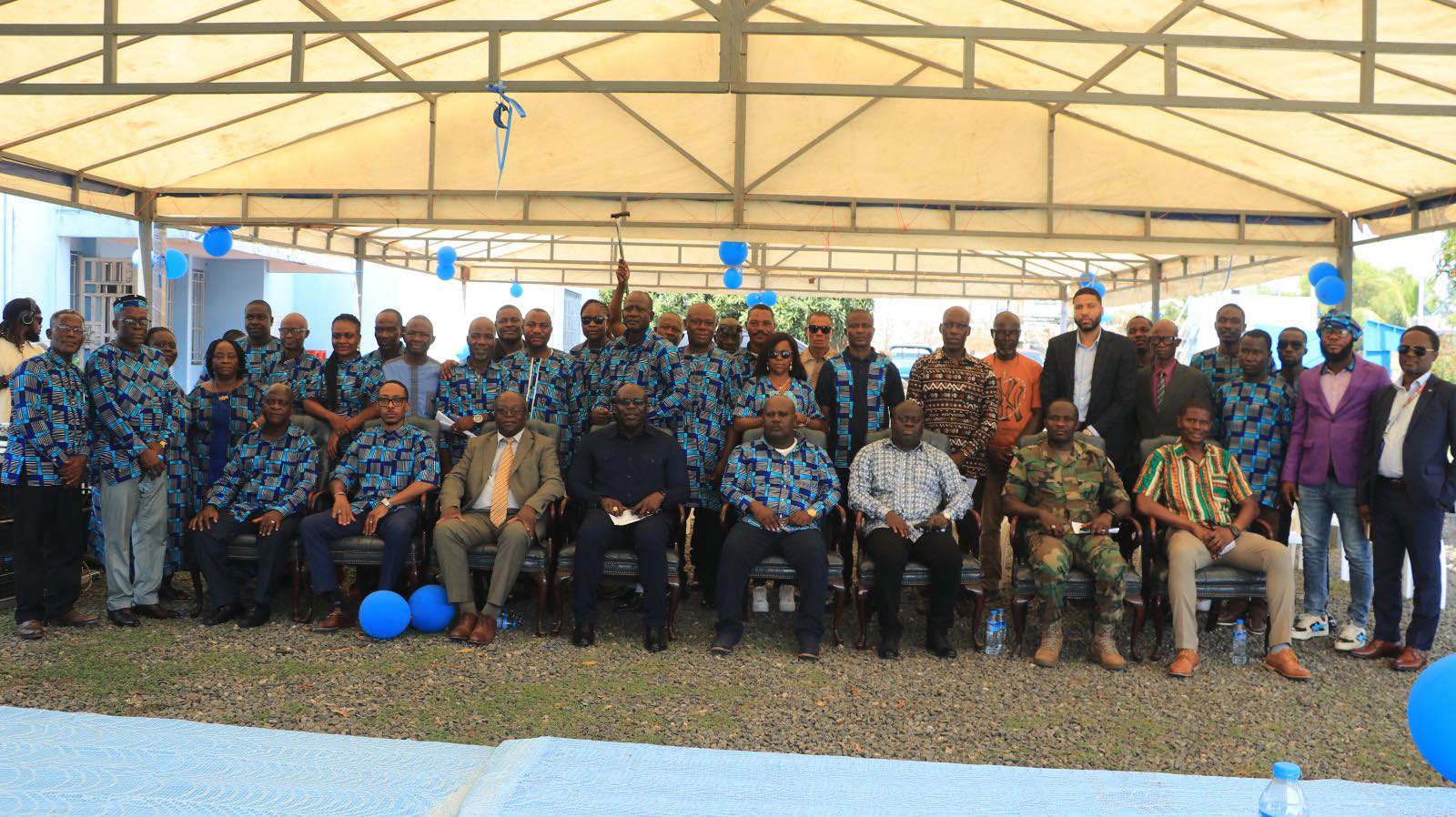
The Commissioner was speaking at a program marking the observation of the 16th anniversary of the Monrovia Regional Maritime Rescue Coordination Center (MRMRCC) on Bushrod Island on Wednesday, April 23, 2025.
“The MRMRCC is very important. The emphasis, I want to make today, is on coordination. I have had informal discussions with the leadership of the Liberia Coast Guard regarding the need to enhance coordination between our two entities, in a bid to serve the true purpose of this critical infrastructure.

This can be done through the adoption of a standard operating plan that would guide the different agencies in the maritime sector in the execution of rescue operations,” Commissioner Lighe stated.
According to him, this operating plan would be the brainchild of a technical committee that he will soon set up work as quickly as possible.. This committee, he stressed, would be elevated to the National Maritime Security Committee as a way of ensuring that decisions are taken at the highest level of the sector.
He emphasized that this committee and the standard operating plan will further strengthen the country’s response capabilities to avoid incidents that could lead to the loss of lives. “I am going to drive this idea to the level of the presidency to get the requisite approval to achieve this,” Commissioner Lighe maintained.
To achieve this critical objective, the LiMA Commissioner/CEO, noted that the Liberia Coast Guard needs to be fully equipped as the operational arm of all rescue operations in the maritime sector, making it easier to take prompt actions whenever an incident happens.
This suggests the purchasing of patrol boats through resources from all relevant stakeholders, given the fact that national government is inundated with myriad priority issues that potentially renders it incapable of buying boats for the Coast Guard through the National Budget. “We have to make the sector better. I want to leave the maritime sector better than it was when I inherited it,” Commissioner Lighe pointed out.
The keynote speaker of the event, Mr. Lawrence Barchue, the former Assistant Secretary-General of the International Maritime Organization (IMO), said the MRMRCC is an offspring of the International Convention on Maritime Search and Rescue that sets the framework for IMO member states to coordinate maritime rescue services in order to ensure that people in distress at sea receive timely assistance.
The former Assistant Secretary-General disclosed that the IMO divided the ocean into thirteen search and rescue areas. To this end, there is a need to inform maritime administrations and governments across the world to enhance their efforts. A similar meeting, according to him, was held in Lagos, Nigeria in 1984 and another in 1994 – during the Liberian civil war. This situation, he said, put Liberia’s quest to host the center for West Africa in harm’s way.
Mr. Barchue stated that other countries opposed the suggestion that Liberia should host the search and rescue coordination center during a bitter civil war. Still, the country won the argument because of its position as one of the largest flag states at the time with a huge number of ships flying the Liberian flag.
He stressed that although many people do not recognize the MRMRCC’s significance, it is one of the most significant parts of the international maritime infrastructure.
Mr. John F. Harvey, Deputy Commissioner for Domestic Vessel Registration and Safety at LiMA, highlighted the critical role the MRMRCC has played in the global maritime search and rescue sector beyond its territorial scope to the bewilderment of other countries. He urged the leadership of the rescue coordination center, headed by Mr. Deron Von Ballmoos, to give the celebration of the center’s anniversary a regional flare since it covers five other West African countries for inclusion.
Source : LiMA