
West African Maritime Leaders Gather in Freetown as 34th RMU Board Meeting Kicks Off
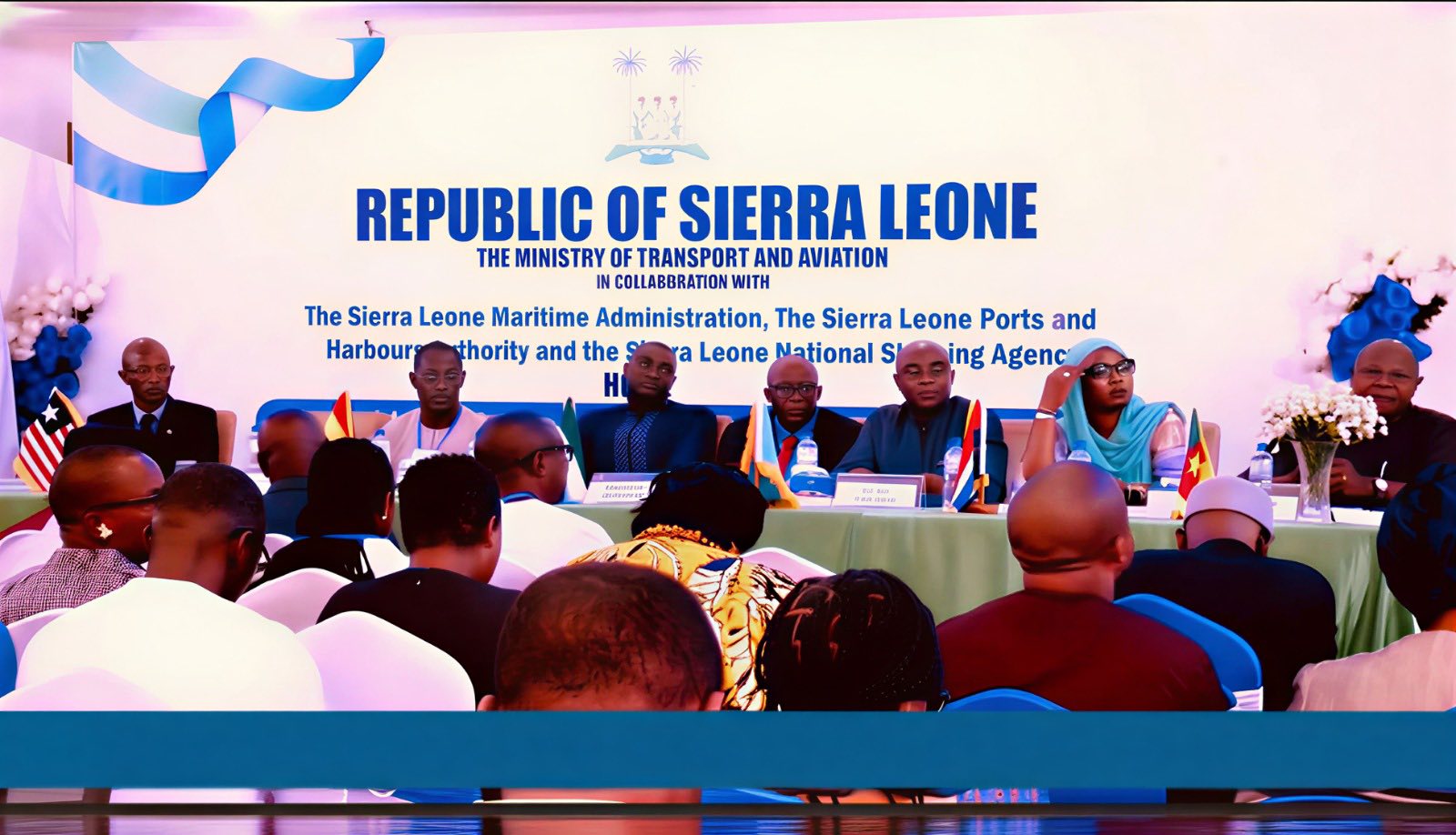
Senior maritime officials from across West and Central Africa have gathered in Freetown for the 34th Session of the Board of Governors Meeting of the Regional Maritime University (RMU), which officially opened today.
Hosted by the Government of Sierra Leone through the Ministry of Transport and Aviation, in collaboration with the Sierra Leone Maritime Administration-SLMA, the Sierra Leone Ports and Harbours Authority, and the Sierra Leone National Shipping Agency, the meeting is taking place at the Bintumani Hotel in Aberdeen, Freetown, from November 3 to 5, 2025.
Speaking at the opening ceremony, the Director of Human Resources and member of the Liberia Maritime Authority (LiMA) delegation, Mr. John E. Quawah, said the sessions aim to strengthen the university’s operational framework and reinforce its role in developing the region’s maritime workforce amid evolving global industry demands.

Day one opened with deliberations by the Committee of Experts, who are reviewing the university’s institutional performance, training standards, and policy direction. Their discussions also focus on addressing key challenges facing the maritime sector, including digital transformation, port safety, and environmental sustainability. Findings from these sessions will inform the decisions of the Board of Governors, RMU’s highest governing body.
The meeting brings together maritime leaders, policymakers, and technical experts from RMU’s five member states: Ghana, Liberia, Sierra Leone, The Gambia, and Cameroon, to assess progress and chart the institution’s strategic path forward.
Headquartered in Accra, Ghana, the Regional Maritime University serves as a center of excellence for maritime education, research, and professional development in West and Central Africa. The Board of Governors, composed of ministers and heads of national maritime administrations from member countries, sets policy direction and ensures the university remains aligned with both regional priorities and international maritime standards.
Source : LiMA