Algeria: The Port of Skikda Aims to Build an Ultra-Modern Berth to Reach 600,000 TEU/Year
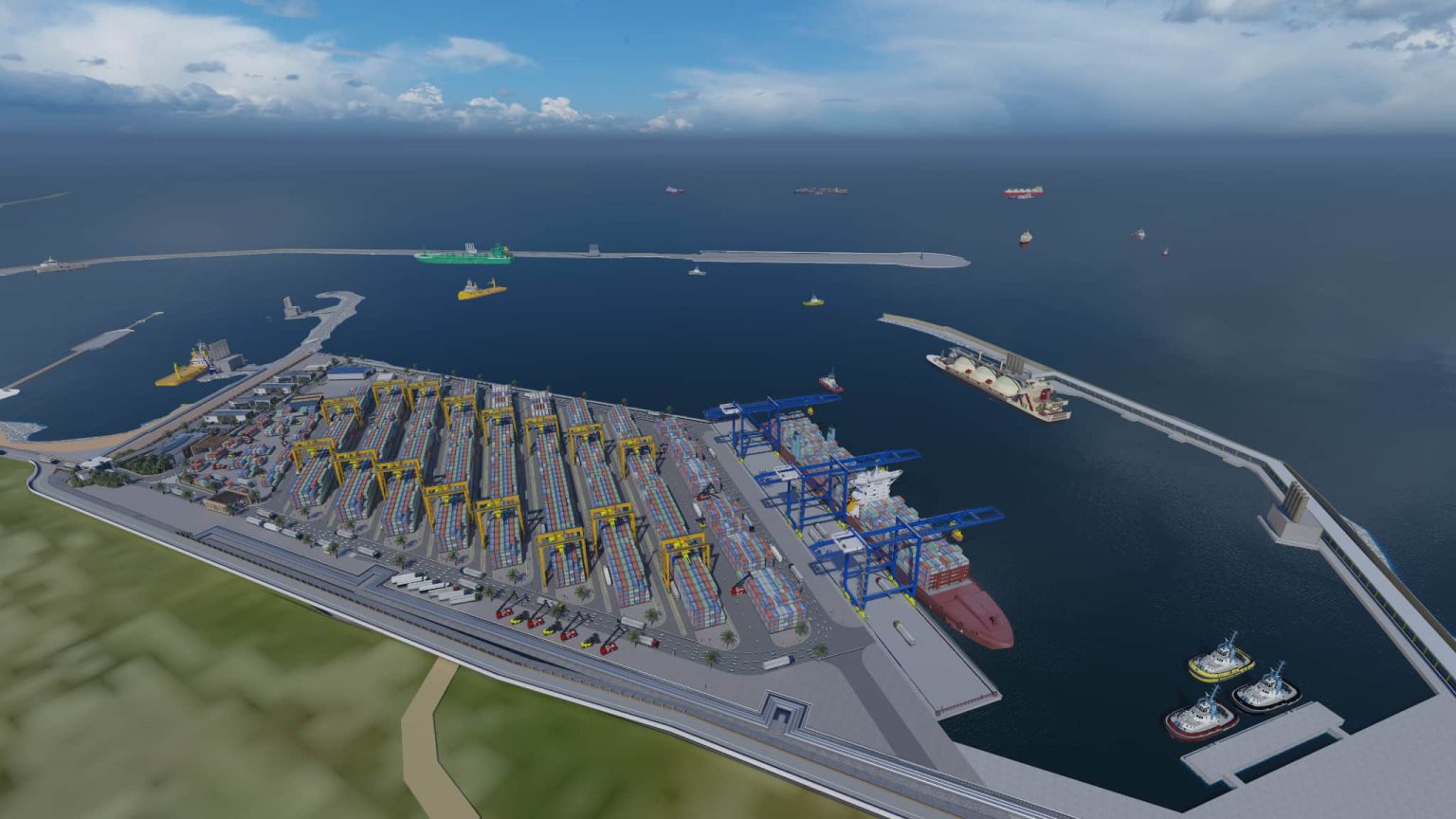
The Port of Skikda in Algeria is undergoing major transformation as it seeks to position itself as a key logistics player in the Mediterranean. Driven by national authorities, the port authority is engaged in an ambitious expansion and modernization program, the centerpiece of which is the creation of a new container terminal with an overall capacity of 600,000 TEU (Twenty-Foot Equivalent Units) per year.
This new container terminal is being developed on existing infrastructure that was initially designed for the expansion of the hydrocarbons port. Converting this general-purpose quay—now 80% complete—is a strategic choice to accelerate deployment.
The technical specifications of this new facility reflect the project’s ambitions:
- Berth length: 323 linear meters
- Draft: 15.4 meters, enabling the accommodation of large-capacity vessels
- Storage area: 15 hectares
Once operational, this terminal should allow the Port of Skikda to reach a total handling capacity of 600,000 TEU per year, with an initial capacity of 240,000 TEU/year for the new terminal itself.

State-of-the-Art Handling Equipment
To ensure operational performance, the port authority (EPS) plans to equip the terminal with an impressive range of handling equipment that meets global port standards.
The future terminal will include:
- 03 Ship-to-Shore (STS) quay gantry cranes
- 10 Rubber Tyred Gantry (RTG) cranes
- 03 reach stackers and 03 triplex forklifts for empty containers
- 24 terminal tractors
Additionally, for cargo inspection and control, the terminal will include two mobile scanners capable of processing 120 units per hour, as well as a dedicated customs inspection area with a capacity of 300 containers per day. Reefer container management is also planned, with a dedicated area accommodating 480 units.
With operations expected to begin around 2027, the Port of Skikda is set to acquire a new strategic asset that will support Algeria’s maritime trade and strengthen its position on regional shipping routes. This project represents a significant new lever for the development of the maritime transport sector and for improving Algeria’s logistics chains.
Through investment in its port infrastructure, Algeria is demonstrating its commitment to energizing its economy by relying on modern and efficient logistics platforms.