KENYA – STATE DEPARTMENT FOR BLUE ECONOMY FACES SETBACK AS A LOW 2026/27 BUDGET CEILING THREATENS KEY PROJECTS
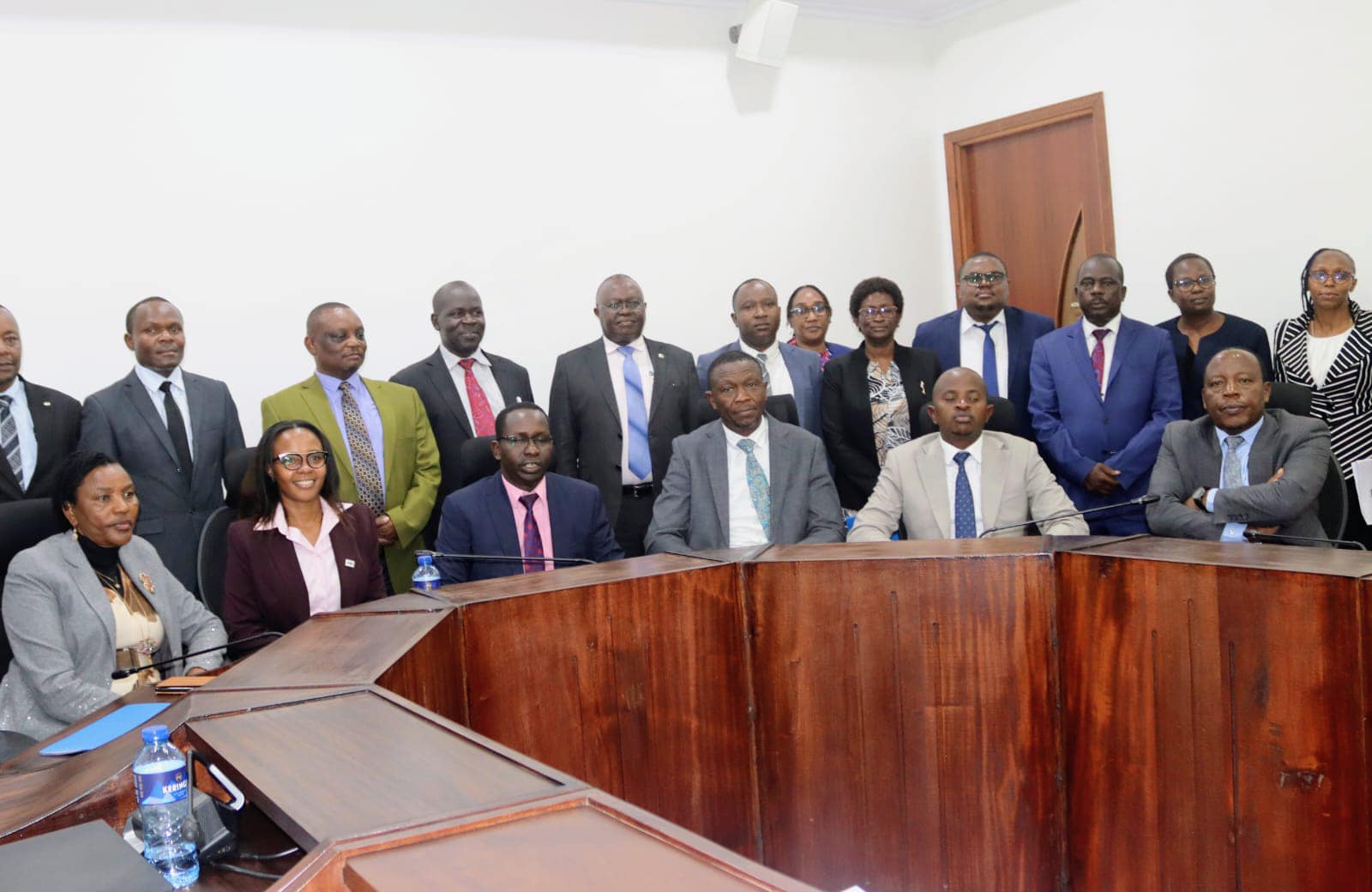
The State Department for Blue Economy and Fisheries has raised concerns about reduced budgetary allocations in the 2026 Budget Policy Statement (BPS), warning that the funding shortfall could significantly affect priority programs and stall critical projects across the sector.
Before the Blue Economy, Water and Irrigation committee, Principal Secretary Ms. Betsy Njagi cautioned that the proposed budget ceiling for the 2026/2027 financial year falls short of what is needed to effectively advance the country’s blue economy agenda.
The State Department has been allocated Kshs. 7.391 billion, comprising Kshs. 4.222 billion for development expenditure and Kshs. 3.169 billion for recurrent expenditure.

Ms. Njagi explained that of the Kshs. 4.222 billion development allocation, Kshs. 3.684 billion is donor-funded and earmarked for key initiatives, including the Aquaculture Business Development Programme (ABDP), the Kenya Marine Fisheries and Socio-economic Development Project (KEMSFED), and the Kabonyo Fisheries and Aquaculture Training Centre.
The remaining Kshs. 538.6 million, which is financed by the Government of Kenya, is set aside for the settlement of pending bills.
“Out of the Kshs. 4.222 billion development budget, Kshs. 3.684 billion is donor funded, while the balance of Kshs. 538.6 million is GoK-financed to be utilized on the settlement of pending bills,” Ms. Njagi told the committee.
She emphasized the need for increased government facilitation, noting that the blue economy holds significant potential for economic growth, food security, and job creation.
“It is high time we look at the blue economy as a favorable sector just like the other sectors. We need facilitation for our sector to run properly,” she added.
Lawmakers expressed bipartisan support for enhanced financing of the sector. Hon. Joyce Bensuda (Homa Bay) underscored the fishing industry’s critical role in providing employment opportunities for youth and women, particularly in lakeside and coastal communities.
She called on the committee to invite officials from the National Treasury to address sustainability concerns surrounding ongoing projects.
“When it comes to projects, we talk about sustainability. If sustainability is missing, you don’t have a project. If the output is not there, you don’t have a project,” she said, urging the Cabinet Secretary and Principal Secretary for blue economy to provide a clear progress report on projects initiated since the establishment of the office.
The Committee’s Vice-Chairperson, Hon. Marwa Maisori (Kuria East), supported the proposal and requested the Ministry to present a comprehensive matrix detailing completed and fully paid projects, those completed but with pending bills, ongoing projects with outstanding payments, and those initiated but yet to be finalized. He also sought clarification on the impact of pending bills on service delivery and sector performance.
Hon. Paul Nzengu commended the department’s decision to prioritize the clearance of pending bills with the Kshs. 538 million allocation but urged stricter adherence to approved budget ceilings to avoid future financial strain.
“As a civil engineer and contractor, I understand the pain that some of these people go through. It is painful to see a contractor waiting two or three years to be paid for work done, yet a project is indicated as 100 percent complete with outstanding balances,” he noted.
Meanwhile, Committee Chairperson Hon. Kangogo Bowen (Marakwet East) sought clarification on the status of the aquaponics project, which previously supported the construction of fish ponds in schools and community institutions.
In response, Senior Chief Finance Officer Mr. Martin Wamwea revealed that although aquaponics has consistently been factored into the department’s budget proposals, fully financed development allocations have in recent years been reduced to zero following directives from the National Treasury.
The committee is expected to compile a report based on submissions from the three Ministries, Departments and Agencies (MDAs) under its oversight. The report, containing observations and recommendations, will be tabled before the Budget and Appropriations Committee for consideration as Parliament deliberates on the 2026/2027 financial year budget.
Source : Parliament of Kenya