New Presidency and Strategic Continuity at the Secretariat General: MOWCA Celebrates Its 50th Anniversary by Reaffirming Its Continental Ambitions
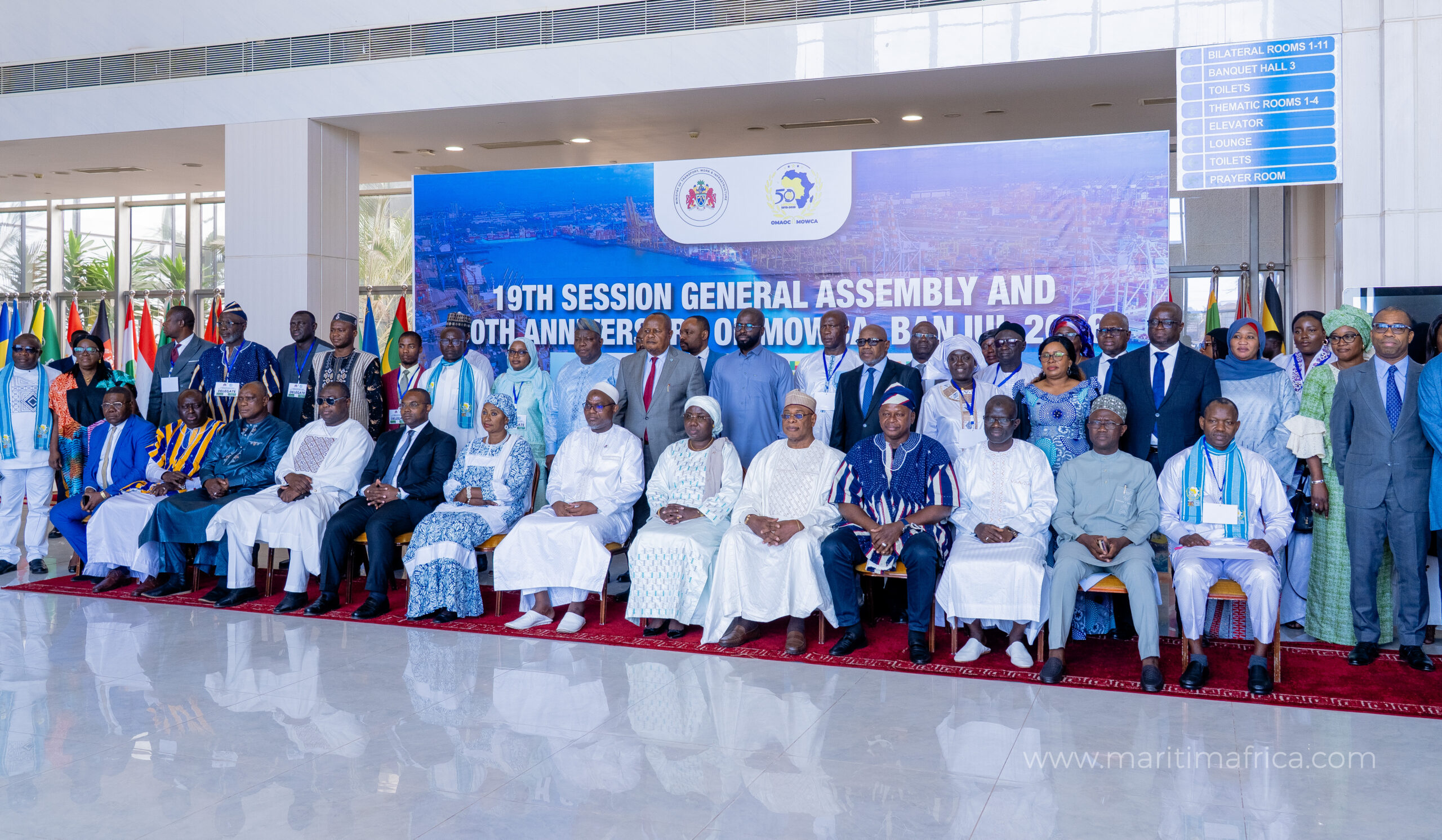
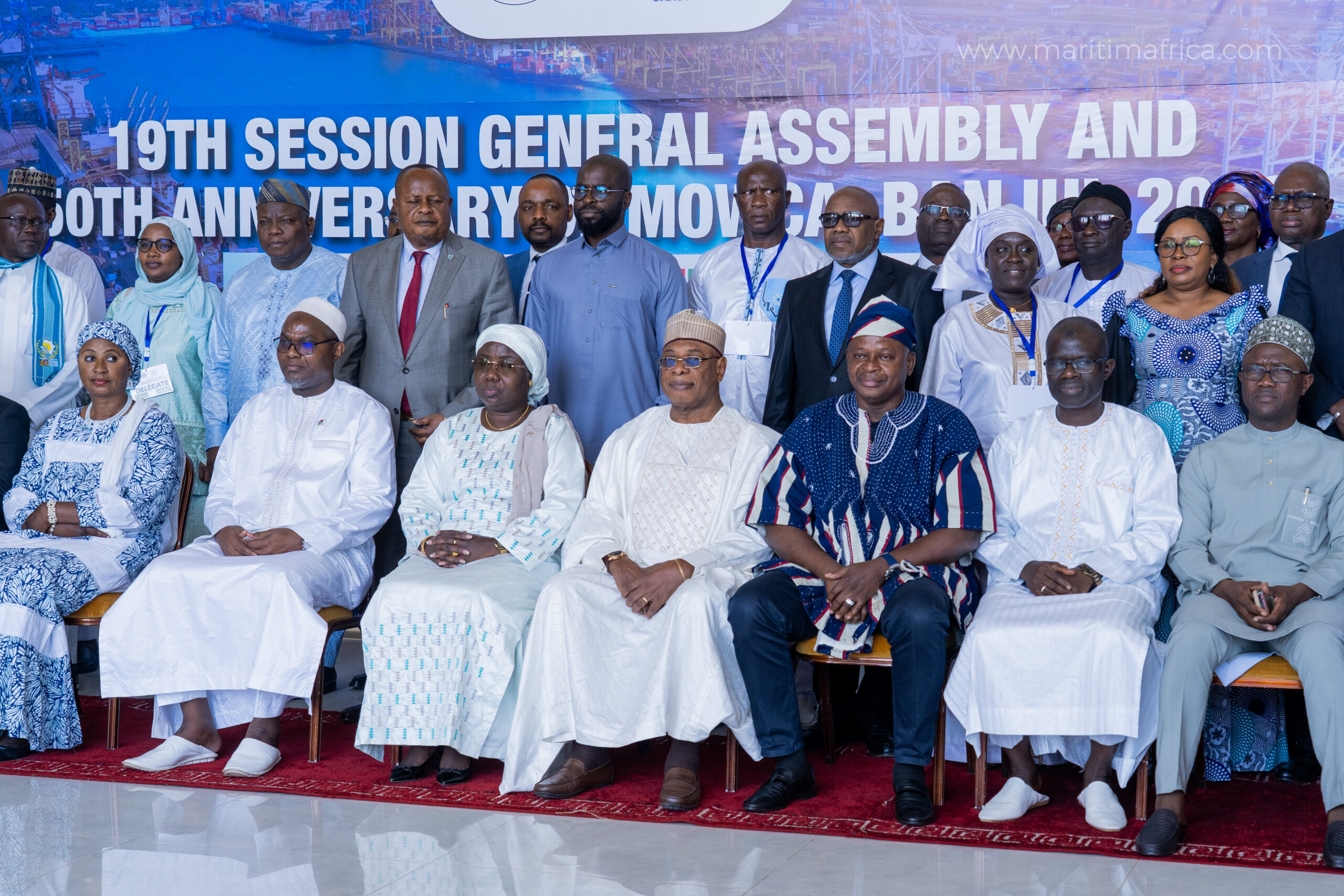
The 19th Ordinary Session of the General Assembly of the Maritime Organisation of West and Central Africa (MOWCA) concluded in Banjul on a historic double note: the celebration of its Golden Jubilee marking 50 years of regional maritime cooperation, and The Gambia’s accession to the highest leadership responsibilities within the organization.
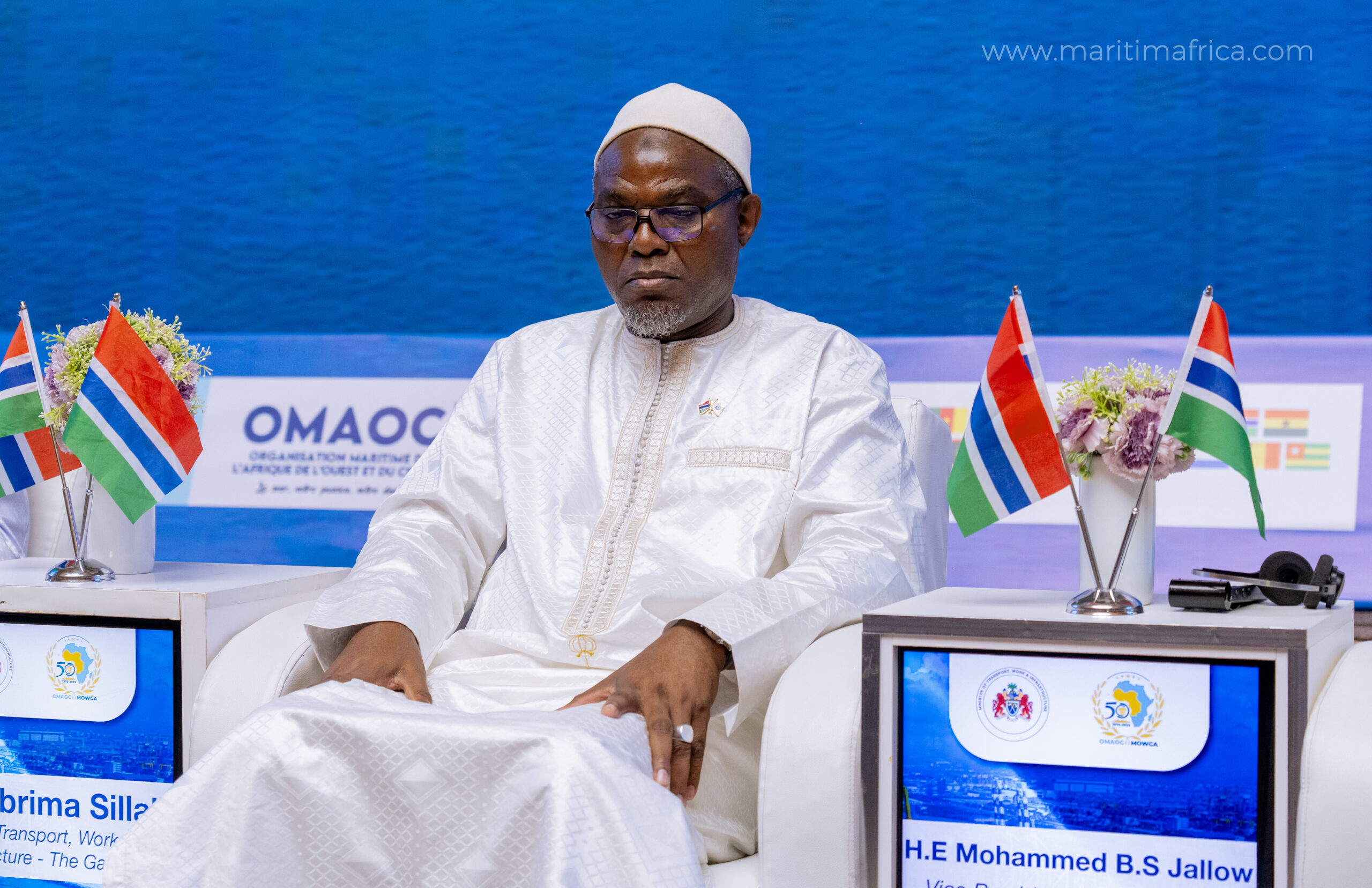
Held at the Sir Dawda Kairaba Jawara International Conference Centre, the closing ceremony took place in the presence of His Excellency Muhammed B.S. Jallow, Vice President of the Republic of The Gambia, representing the Head of State.

A New Regional Governance Framework
The Gambia Assumes the Presidency (2026–2028)
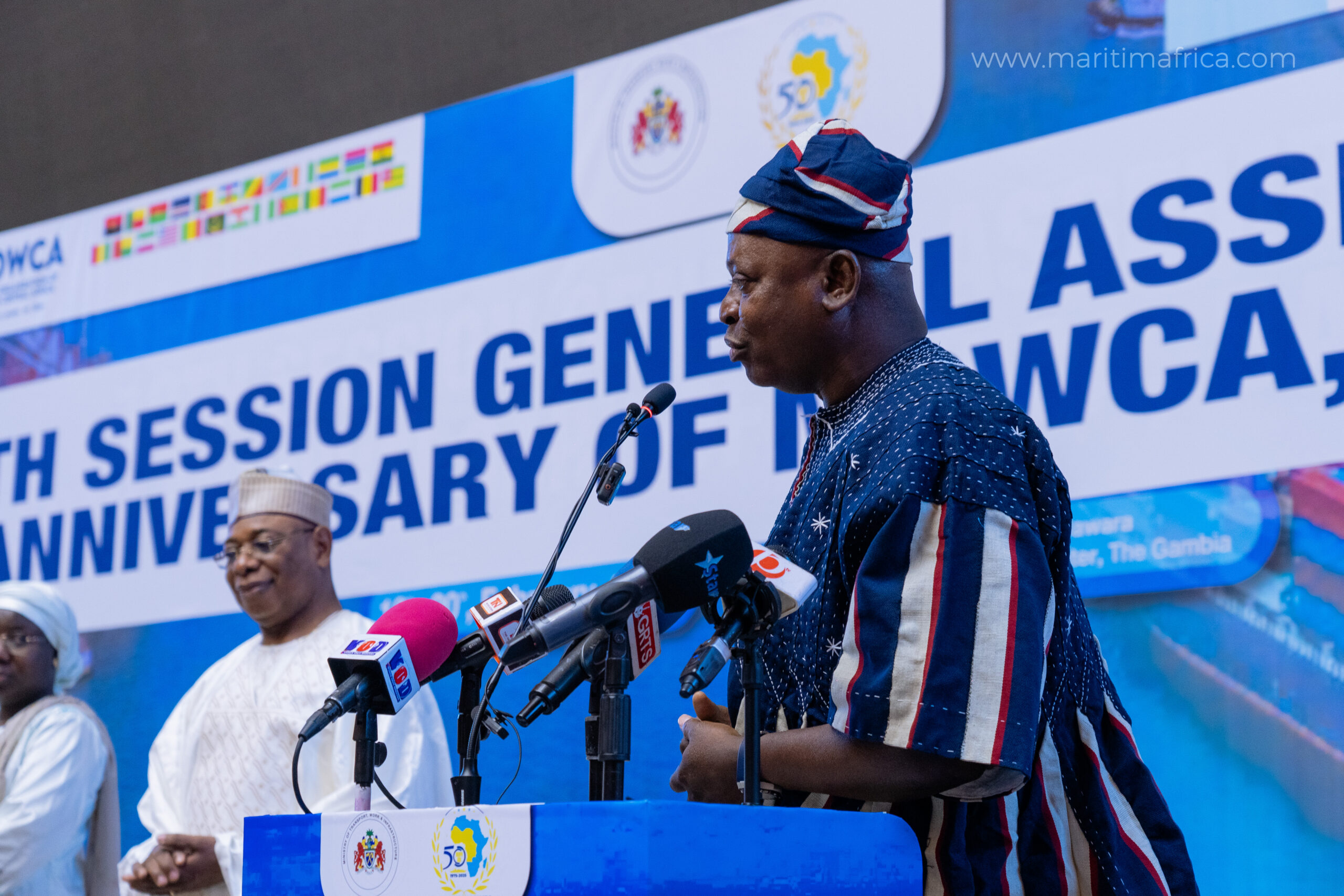
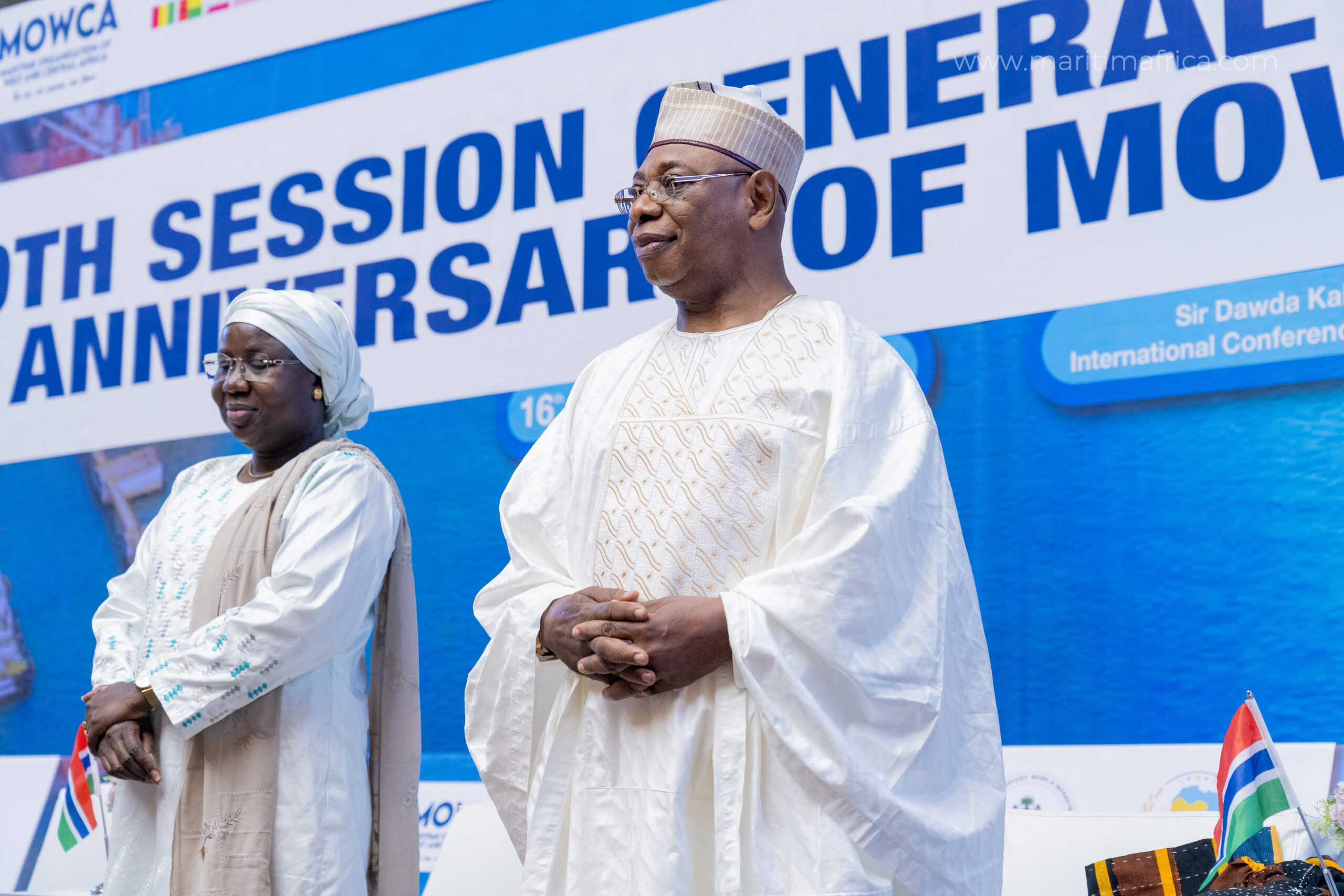
At the conclusion of the proceedings, The Gambia’s Minister of Transport, Works and Infrastructure, Ebrima Sillah, was officially inaugurated as President of MOWCA for a two-year term (2026–2028).
In his acceptance speech, he outlined clear priorities:
- promoting safe, secure, and competitive maritime transport;
- accelerating the establishment of the Regional Maritime Development Bank (RMDB);
- strengthening marine pollution control;
- advancing the transformation of MOWCA into the African Maritime Organisation (AMO).
The newly constituted Bureau reflects regional balance:
- Senegal: First Vice President
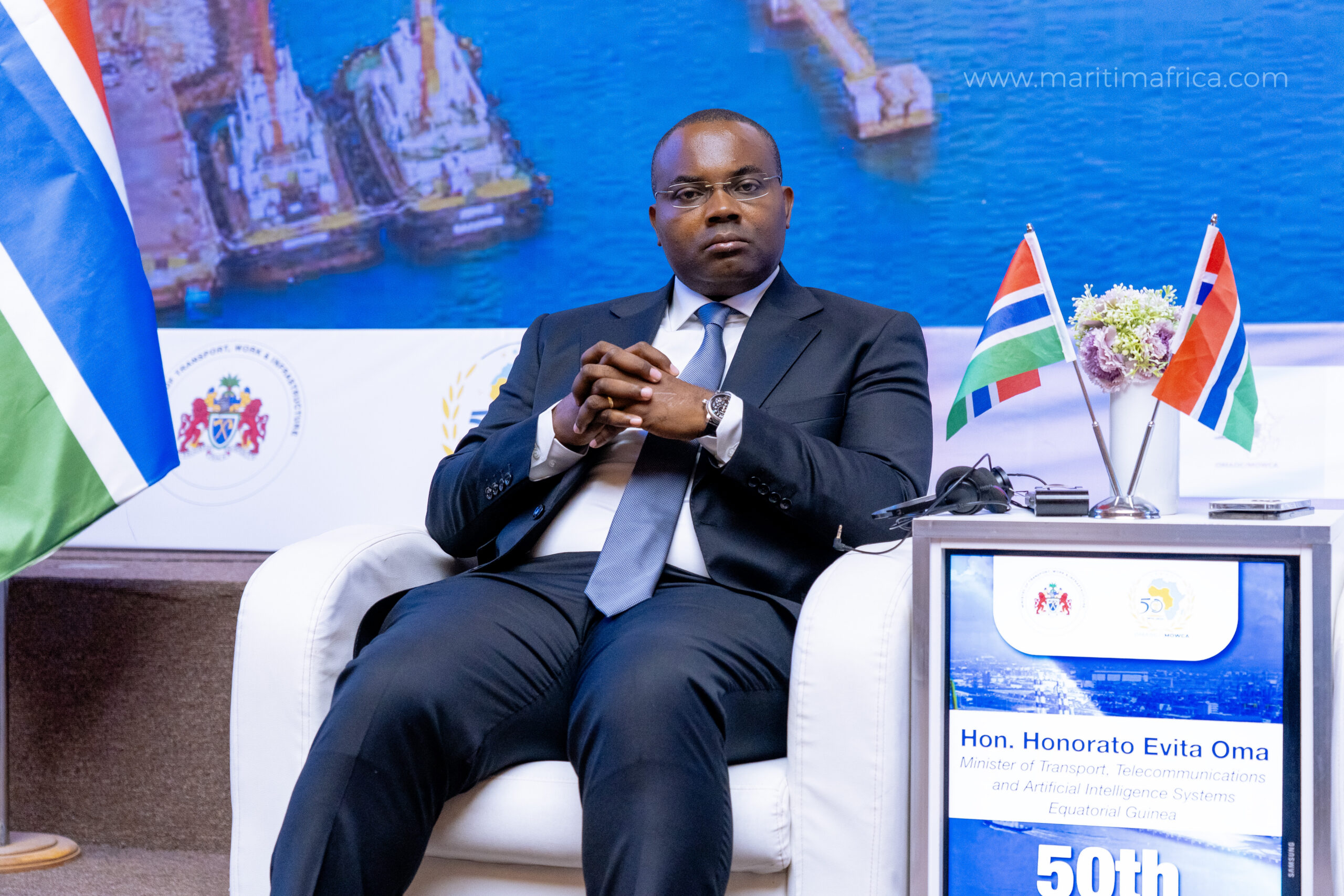
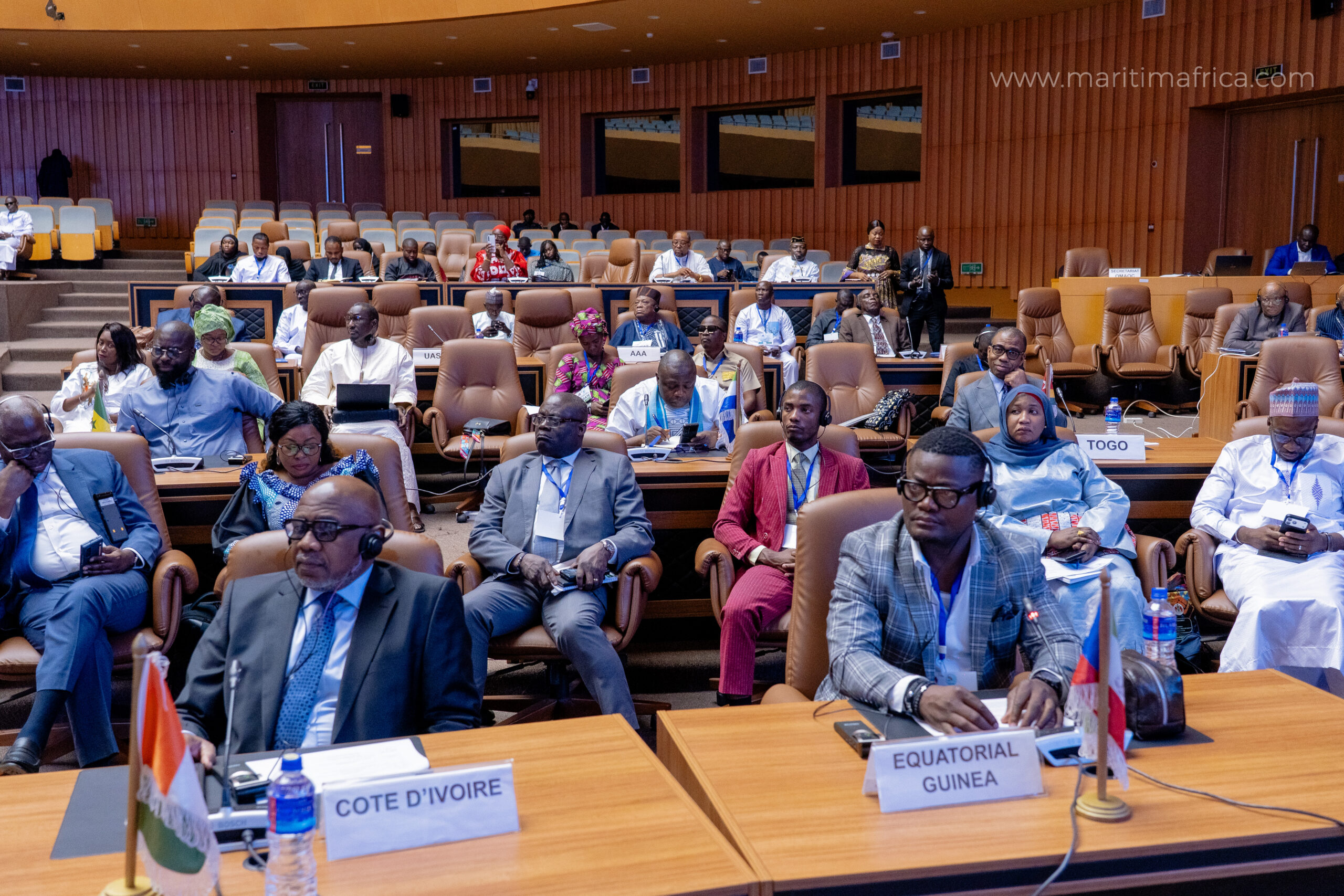
- Equatorial Guinea: Second Vice President
This configuration demonstrates Member States’ determination to inject renewed momentum into West and Central Africa’s maritime integration agenda.
50 Years of Cooperation: The Banjul Declaration
The Golden Jubilee provided an opportunity to reflect on the organization’s evolution since its establishment in 1975. Ministers adopted the Banjul Declaration, a strategic roadmap aimed at:
- harmonizing maritime legislation;
- strengthening regional integration;
- consolidating maritime security;
- accelerating the transition toward a leading continental maritime authority.
This ambition aligns with the broader objective of unifying Africa’s voice on global maritime affairs.
The Gambian Vision: The Ocean as a Driver of Growth
In his address, Vice President Muhammed B.S. Jallow emphasized that over 80% of global trade is conducted by sea, stating:
“The ocean is not a boundary, but a gateway to growth, innovation, and opportunity.”
He underscored that The Gambia’s engagement within MOWCA aligns with its Renewed Framework for National Development (RF-NDP), which prioritizes:
- economic diversification and infrastructure modernization;
- regional trade expansion and maritime security;
- climate resilience and sustainable resource management.
Through this approach, The Gambia aims to anchor its development in a sustainable and competitive blue economy.
Secretary General Re-Elected: Strategic Continuity
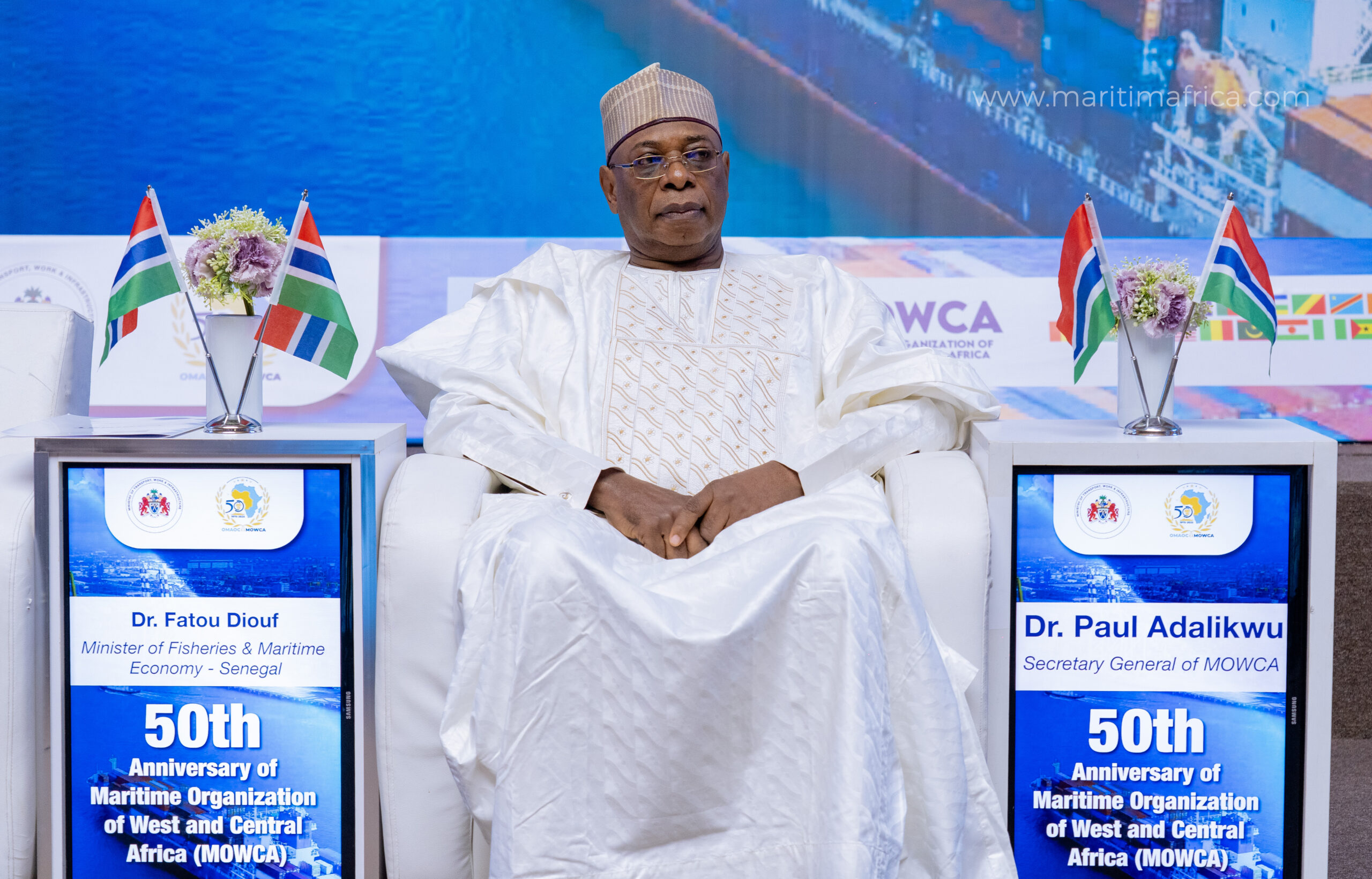
A major highlight of the Assembly was the unanimous re-election of Paul Adalikwu as Secretary General for a renewed four-year term.
His reappointment reflects Member States’ recognition of the significant reforms undertaken over the past four years.
Strengthened Maritime Security
Under his leadership:
- the Yaoundé Architecture was consolidated;
- ISPS Code implementation was promoted;
- naval assets were enhanced;
- community intelligence systems were strengthened;
- CINFOCOM was operationalized for real-time information sharing.
These initiatives contributed to a significant reduction in piracy incidents in the Gulf of Guinea, with some periods nearing zero reported cases according to the International Maritime Bureau.
Legal Reforms and Anti-Piracy Efforts
MOWCA promoted regional adoption of legislative models such as Nigeria’s SPOMO Act and supported successful prosecutions of maritime criminals, notably in Nigeria and Togo.
Human Capital Development
A $1.3 million agreement with Indonesia facilitated the training of 96 seafarers from Member States, strengthening regional skills and employability.
Financing and Maritime Integration
Dr. Adalikwu revived long-stalled initiatives, including:
- the Regional Maritime Development Bank (RMDB);
- the Regional Maritime Fund;
- an Integrated Sub-Regional Coast Guard Network;
- a Regional Transport Observatory;
- a harmonized Regional Maritime Code;
- a regional cabotage shipping company to boost intra-African trade.
He also advocates for a continent-wide cabotage regime that guarantees priority access for African maritime investors and professionals.
Technical Expertise: The Gambia at the Helm
The Director General of the Gambia Maritime Administration (GMA), Olimatou Danso-Malang, was elected Chairperson of the MOWCA Committee of Experts for the 2026–2028 term.
As the organization’s key technical body, the Committee reviews sectoral policies and formulates strategic recommendations to the Council of Ministers. Her appointment further consolidates The Gambia’s influence in shaping the regulatory and technical direction of the organization.
Toward the African Maritime Organisation (AMO)
All deliberations converged on a shared objective: transforming MOWCA into the African Maritime Organisation (AMO) in order to unify the continent’s position in global maritime negotiations.
This evolution seeks to:
- strengthen African maritime sovereignty;
- harmonize regulatory frameworks;
- reduce dependence on foreign shipowners;
- maximize the value of West and Central Africa’s extensive coastlines.
A Strategic Turning Point for African Maritime Affairs
The 19th General Assembly marks a decisive milestone. With renewed Gambian leadership, strategic continuity under Dr. Adalikwu, and reinforced continental ambition, MOWCA is entering a new phase of institutional maturity.
At a time when the blue economy is emerging as a critical lever for economic diversification, West and Central Africa are demonstrating their commitment to structuring their maritime space, securing trade routes, and speaking with one voice on the global stage.
The course is now clear: to position the region’s maritime domain as an integrated engine of growth, sovereignty, and African influence.