

They told me not to make waves. I ended up leaving the ship. – Testimony inspired by real situations
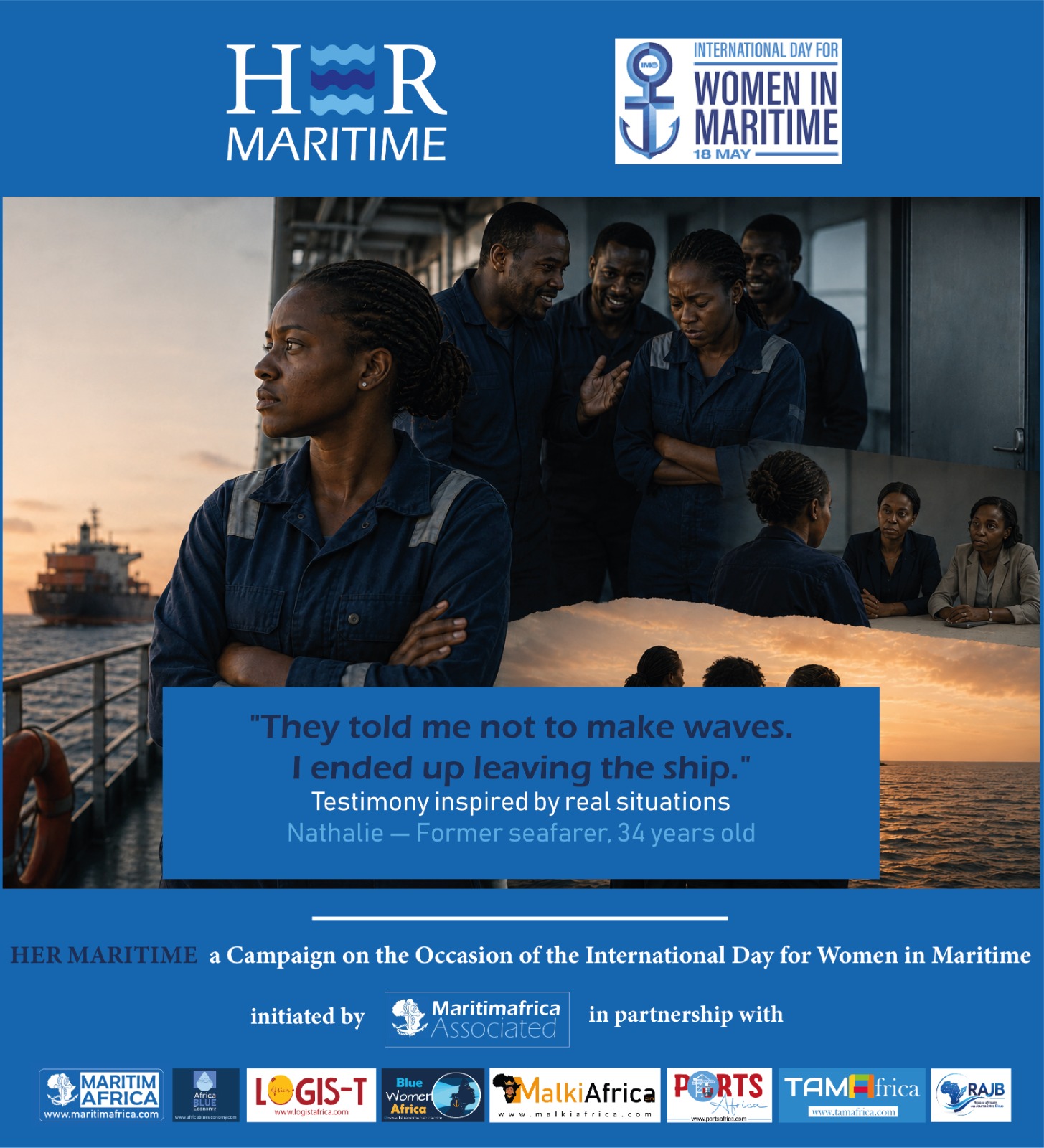
Nathalie — Former seafarer, 34 years old
“I grew up by the sea. As a little girl, I used to watch the ships leave the port and tell myself: one day, I’ll be on one of those. Not dockside. On board.”
At 27, Nathalie makes that dream a reality. Certified as a seafarer, she joins a regional shipping company and embarks on a merchant vessel. She is one of the very few women on board. At first, she sees it as a source of pride.
“The first few weeks, I focused on my work. I wanted to prove I belonged there. But very quickly, the remarks started. Comments about my body, unwanted gestures. A supervisor who would often come around the spaces where I was alone. I tried to downplay it. To tell myself it was just the industry, that I had to get used to it.”

She tries to speak up on board. Impossible. “Going to management meant risking my contract. The other sailors told me to keep quiet, not to make waves — and I mean that literally. One of them told me that if I spoke up, people would say I wasn’t cut out for the job.”
Back on shore, Nathalie turns to the women’s association in the maritime sector she has belonged to since graduating. She hopes to find a listening ear, some support, perhaps a collective response.
“I tried to bring it up at a meeting. I was told the association had other priorities — women’s visibility, networking, training. Harassment was ‘personal’. They suggested I talk to my family.”
She finds herself alone. With no recourse. After two years at sea, exhausted and with no prospect of protection, Nathalie resigns. She finds an administrative position at a logistics company. A decent job. But not the sea.
“I gave up my dream because there was no one to help me fight for it. That is not right.”
Her call to actionToday, Nathalie advocates for the creation of listening units within women’s associations in the maritime sector — confidential spaces, staffed by trained individuals, where professional women can report harassment without fear of being judged or dismissed.“A women’s association must be a safety net, not just a showcase. If we don’t protect each other, who will?” |