Liberia – LiMA Shares Maritime Expertise with Kingdom of Eswatini During Weeklong Working Visit
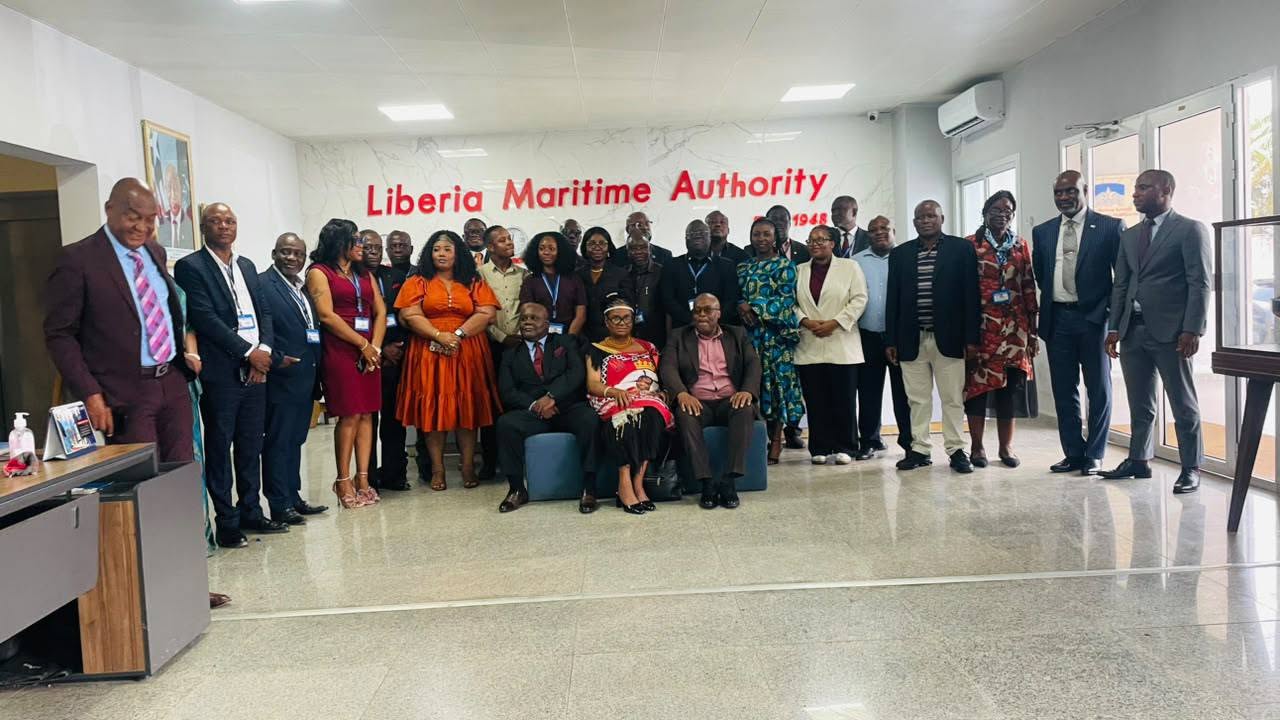
The Liberia Maritime Authority (LiMA) has welcomed a high-level delegation from the Kingdom of Eswatini for a weeklong working visit aimed at fostering institutional cooperation and facilitating knowledge exchange to support the establishment of Eswatini’s Maritime Authority and Ship Registry.
The visit provides an opportunity for the Southern African nation to learn from Liberia’s longstanding experience in maritime administration, ship registration, safety oversight, regulatory compliance, and the development of a globally competitive maritime program.
Welcoming the delegation, Atty. Darlington Duoe, Director of International Affairs at LiMA, expressed optimism about the engagements, emphasizing the importance of constructive discussions and practical outcomes that would be mutually beneficial to both countries.

In special remarks, LiMA’s Deputy Commissioner for Domestic Vessel Registration and Safety, Mr. John F. Harvey, Jr., highlighted Liberia’s longstanding reputation in the international shipping industry, noting that the country’s success in building one of the world’s most trusted ship registries was the result of deliberate planning, sustained commitment, and strict adherence to international maritime standards.
He emphasized that Liberia’s achievements were not realized overnight but were built through years of institutional development, a serious approach to shipping, and an unwavering commitment to upholding and enforcing maritime rules and regulations.
According to Mr. Harvey, maintaining credibility in the global maritime industry requires more than establishing a ship registry. It demands strong regulatory institutions, effective enforcement mechanisms, and a consistent commitment to international standards governing maritime safety and operations.
For his part, the head of the Eswatini delegation, Mr. Thulani Mkhaliphi, said his country’s relatively small size had not diminished its ambition to explore opportunities in the maritime sector.
“Eswatini is a small country, but its size has not hindered our ambitious dream to venture into the maritime sector. We are novices in this sector, which is why we are excited about the opportunity this working visit provides,” Mr. Mkhaliphi said.
He expressed appreciation for the opportunity to engage with LiMA officials and learn from their experience, noting that the composition of the teams and the expertise available to the delegation had made the visit particularly valuable.
“We are here to understand the legal, technical, and human resource requirements for building a responsible and vibrant maritime sector that would complement our existing ambitious economic programs as a small nation sandwiched between South Africa and Mozambique,” he added.
Mr. Mkhaliphi’s remarks underscored Eswatini’s interest in developing the institutional and regulatory foundations necessary to participate meaningfully in the international maritime industry while aligning the proposed sector with its broader national economic objectives.
Providing historical perspectives on Liberia’s maritime program, Mr. Desire Satia, Deputy Chief Financial Officer of LiMA, offered an overview of the program’s evolution since the 1940s, highlighting key developments, lessons learned, and the institutional experience that has contributed to Liberia’s position as the world’s largest ship registry by gross tonnage.
Mr. Satia’s presentation provided the delegation with a historical understanding of the policies, strategic decisions, and progressive developments that have shaped Liberia’s maritime administration over several decades.
The engagement also presents an opportunity for the two countries to examine the legal, financial, administrative, and technical considerations involved in establishing and managing a maritime authority and ship registry. For Eswatini, the experience is expected to provide useful insights into institutional design, regulatory frameworks, maritime personnel development, and the responsibilities associated with participation in the global shipping industry.
Liberia’s experience in maritime administration offers a practical reference for countries seeking to develop their maritime institutions, particularly in areas requiring effective governance, regulatory oversight, compliance with international conventions, and collaboration with global maritime stakeholders.
The working visit reflects the potential for stronger cooperation through the exchange of institutional knowledge and practical experience. It also highlights LiMA’s role in sharing lessons from Liberia’s maritime development with countries seeking to establish or strengthen their own maritime capabilities.
As the engagements continue, the exchange is expected to deepen mutual understanding and identify areas where Liberia and Eswatini can cooperate in advancing maritime administration, building institutional capacity, and promoting responsible participation in the international shipping industry.
Source : LiMA