
National Assembly: Mauritius strengthens maritime security capabilities
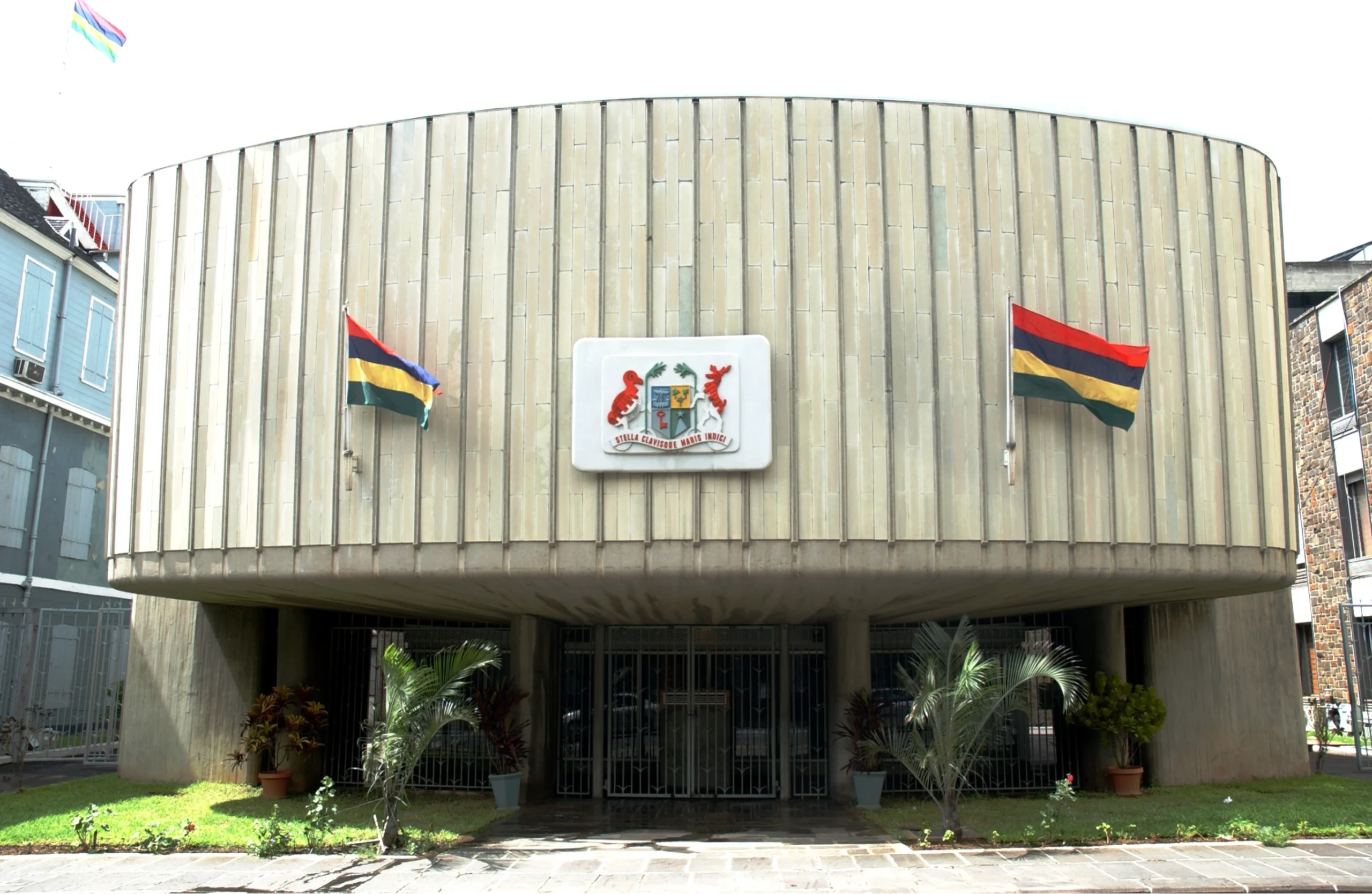
Mauritius is strengthening its maritime security architecture through new surveillance systems, enhanced operational capabilities and regional cooperation.
In reply to a parliamentary question at the National Assembly on the implementation of measures announced under the proposed strengthening of the Regional Maritime Security Architecture and surveillance enhancement capacity for the protection of the maritime domain of the Republic of Mauritius, as stipulated in the 2025–2029 Government Programme, the Prime Minister, Dr Navinchandra Ramgoolam outlined key developments aimed at protecting the country’s maritime domain.
Prime Minister Ramgoolam emphasised that the Police is expanding its capabilities to combat transnational crimes, drug trafficking, human trafficking, illegal, unreported and unregulated (IUU) fishing, and other illegal activities.

Among the measures being implemented is the establishment of the National Maritime Information Sharing and Coordination Centre, with government assistance, which is expected to become operational in 2027. The procurement of an Offshore Patrol Vessel under the Indian Line of Credit is expected to be completed by the end of 2028, while the acquisition of four Light Utility Helicopters from India is expected to begin in 2029.
Dr Ramgoolam also stated that upgrades to the Automatic Identification System (AIS) infrastructure, including the installation of additional receivers in Mauritius and Rodrigues, are being undertaken in collaboration with the United States. These upgrades are expected to be completed by the end of November 2026.
Other developments include the extension of the INTERPOL I-24/7 system to Mauritius and Rodrigues in 2025, as well as the installation, in September 2026, of a Japanese-funded Coastal Surveillance Radar System comprising seven radar stations, including one in Rodrigues, and five AIS stations.
The Prime Minister highlighted that Mauritius is an active member of the Indian Ocean Commission (IOC), which facilitates regional linkages within the Maritime Security Architecture. The Police is also leveraging information-sharing mechanisms and operational coordination through the Regional Maritime Information Fusion Centre in Madagascar, the Regional Coordination Operations Centre in Seychelles, and the Information Fusion Centre – Indian Ocean Region, he said.
At the bilateral level, cooperation with Réunion Island continues through the Groupe de contact sur la sécurité Maurice-Réunion, with ongoing information sharing and interoperability exercises between the police forces of the two islands.
Regarding surveillance patrols of the Exclusive Economic Zone (EEZ), Mauritius maintains collaboration with India, the United States and France. These partner countries also provide capacity-building opportunities through specialised Maritime Domain Awareness training for police officers.
Since 2025, approximately 400 police officers, including officers from Rodrigues, have received training as part of these efforts to strengthen the country’s maritime security capabilities.
Source : GIS Mauritius