Adalikwu Calls for Stronger Maritime Investment to Accelerate Africa’s Trade and Economic Integration
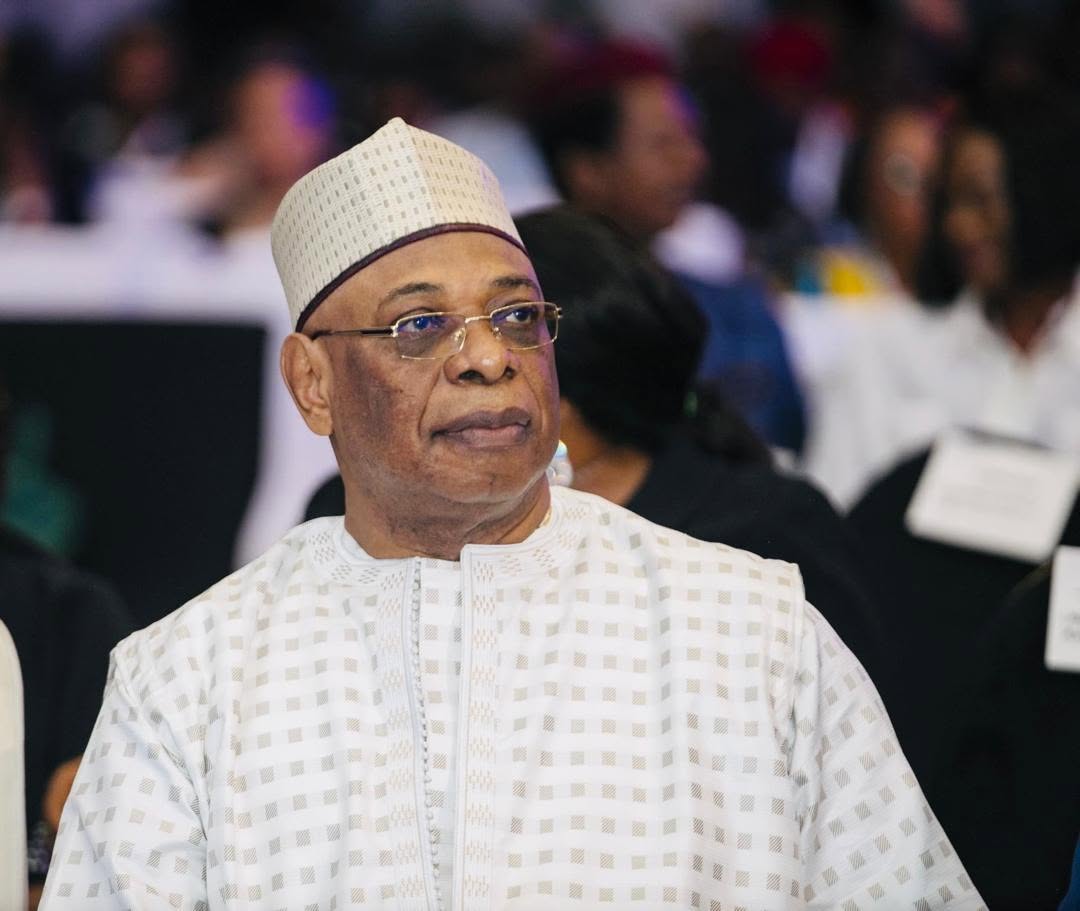
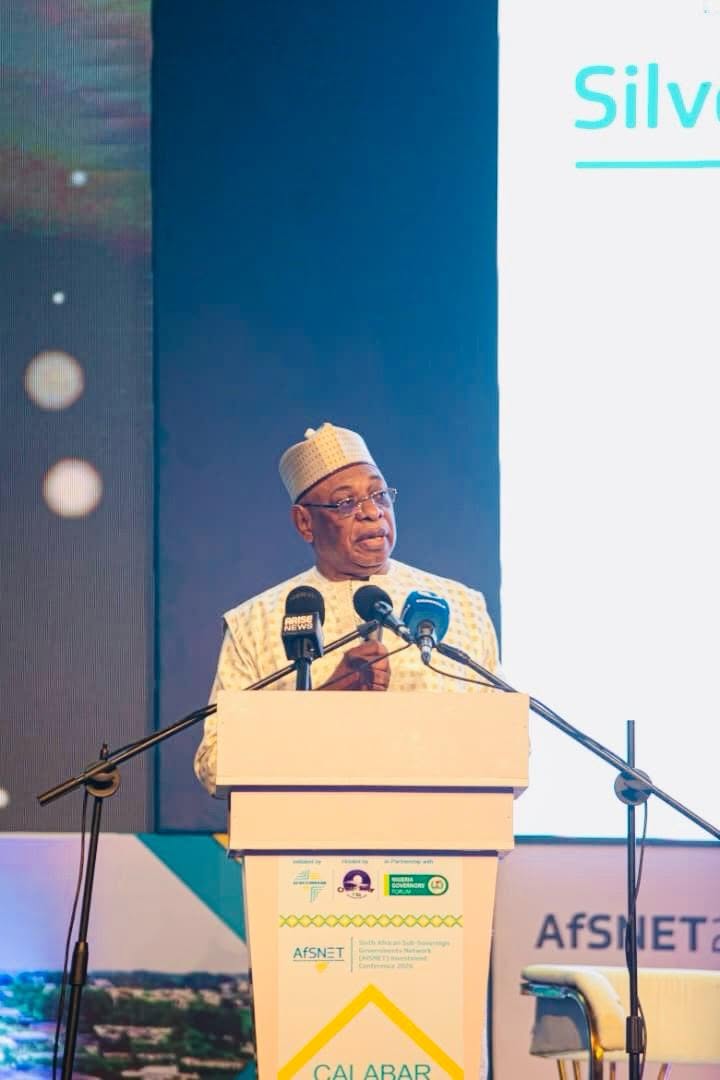
The development of maritime infrastructure must become a strategic priority for Africa’s economic integration. This was the message delivered by Dr. Paul Adalikwu, Secretary-General of the Maritime Organization of West and Central Africa (MOWCA), during the 6th African Sub-Sovereign Governments Network (AfSNET) Investment Conference, held from 12 to 14 November at the Calabar International Convention Centre in Nigeria.
Speaking on the theme “Advancing Africa’s Integration and Trade Facilitation: The Strategic Role of the Maritime Organization of West and Central Africa,” the MOWCA Secretary-General called for stronger regional cooperation and increased investment in maritime infrastructure to accelerate economic integration, facilitate intra-African trade and unlock the potential of Africa’s blue economy.
The conference, organised by the African Export-Import Bank (Afreximbank) in collaboration with the Government of Cross River State and the Nigeria Governors’ Forum, brought together government officials, policymakers, development partners and investors under the theme “Role of Sub-sovereigns in Catalysing Development through Trade and Investment.”

Maritime Infrastructure at the Heart of AfCFTA
According to Dr. Paul Adalikwu, Africa’s ability to fully benefit from the African Continental Free Trade Area (AfCFTA) will depend significantly on the performance of its transport infrastructure and logistics chains.
Ports, logistics infrastructure, customs procedures and connections between production centres and regional markets are critical to facilitating the movement of goods across the continent.
From this perspective, maritime infrastructure should no longer be viewed solely as a means of transportation. It should also be considered a strategic economic asset capable of supporting industrialisation, creating jobs, strengthening food security and contributing to sustainable development.
This approach requires moving beyond a narrow focus on port infrastructure and considering the entire logistics chain: ports, corridors, logistics platforms, roads, railways, industrial zones, customs procedures and markets.
Turning Territories into Maritime Economy Actors
One of the key messages of Dr. Adalikwu’s intervention was the role that sub-national governments can play in turning Africa’s maritime potential into concrete economic opportunities.
Coastal states and port cities, in particular, have opportunities to attract investment in logistics hubs, export-processing zones, fisheries infrastructure, ship-repair facilities and maritime training centres.
Landlocked regions, meanwhile, can strengthen their access to international markets through the development of dry ports, inland container depots, as well as more efficient road and rail networks connecting production areas to seaports.
Strengthening this connection between coastal territories and hinterlands is emerging as a major priority for the development of integrated economic corridors across West and Central Africa.
MOWCA Focuses on Maritime Capacity Building
 Infrastructure development, however, cannot be separated from human capital development.
In this regard, Dr. Adalikwu revealed that MOWCA had secured a US$1.5 million grant under a five-year Memorandum of Understanding with the Government of Indonesia to support maritime capacity-building programmes.
More than 90 maritime experts from the sub-region have already benefited from IMO-modelled training programmes in Jakarta, while more than 45 experts are participating in the 2026 programme.
The Secretary-General also highlighted a persistent challenge facing the training of future seafarers: the shortage of vessels available to provide the sea-time required for practical cadet training.
MOWCA is therefore engaging private-sector conglomerates interested in introducing vessels for regional cabotage trade. Such an initiative could simultaneously support the development of regional maritime transport and provide additional practical training opportunities for young African maritime professionals.
Towards a Regional Maritime Development Bank
Financing remains one of the major challenges facing the sector.
Dr. Adalikwu presented MOWCA’s initiative to establish a Regional Maritime Development Bank (RMDB), which is proposed to be headquartered in Nigeria.
The institution is expected to help bridge financing gaps affecting maritime infrastructure and industry development across the region.
According to the Secretary-General, however, mobilising capital will also require better project preparation. Governments and private-sector stakeholders are therefore encouraged to develop bankable projects and establish transparent public-private partnership mechanisms.
Such an approach could help connect Africa’s considerable maritime investment needs with the financial resources available from development finance institutions and private investors.
Ship Repair: Reducing Dependence on Overseas Facilities
Another initiative highlighted during the conference was MOWCA’s collaboration with the African Development Bank (AfDB) on a US$500,000 grant to undertake a regional assessment of ship-repair, maintenance, recycling and drydock infrastructure in Nigeria, Côte d’Ivoire and Cameroon.
The assessment is expected to identify existing facilities, infrastructure gaps and investment opportunities.
The objective is, among other things, to reduce African operators’ dependence on ship-repair facilities outside the continent, while creating jobs and strengthening regional maritime value chains.
Developing regional ship-repair and maintenance capacity could therefore become an important lever for building a more integrated African maritime industry.
New Opportunities for Africa’s Blue Economy
Beyond maritime transport, Dr. Adalikwu identified several sectors with significant potential to contribute to economic diversification and job creation across Africa. These include shipping, fisheries, aquaculture, coastal tourism, shipbuilding and ship repair, maritime services and offshore renewable energy.
These sectors represent key components of an African blue economy whose potential remains largely untapped.
However, their development will require a change in approach, according to the MOWCA Secretary-General: moving from isolated national projects towards integrated regional economic corridors, supported by sustainable investment, effective institutions and stronger multimodal transport connections.
Maritime Integration as a Driver of Africa’s Competitiveness
Dr. Paul Adalikwu’s intervention highlights a central issue for the future of African trade: the continent’s economic integration cannot be fully achieved without deeper integration of its maritime and logistics systems.
AfCFTA is creating the foundations for a vast continental market. But turning this ambition into actual trade flows requires goods to move faster, at lower cost and with greater predictability between production centres, ports, corridors and markets.
Maritime infrastructure therefore has a critical role to play. It must be supported by efficient inland transport networks, effective customs procedures, competitive logistics capabilities, skilled human resources and financing mechanisms capable of supporting long-term investment.
By calling on sub-national governments, development partners and private investors to work more closely with MOWCA, Dr. Adalikwu places regional cooperation and maritime investment at the centre of Africa’s integration agenda.
For MOWCA, the objective is to contribute to building a safer, more efficient and more sustainable maritime sector capable of supporting Africa’s economic growth and strengthening its integration into regional and global trade.