Liberia: LACC Clears Emma Metieh Glassco, a Key Figure in West Africa’s Blue Economy
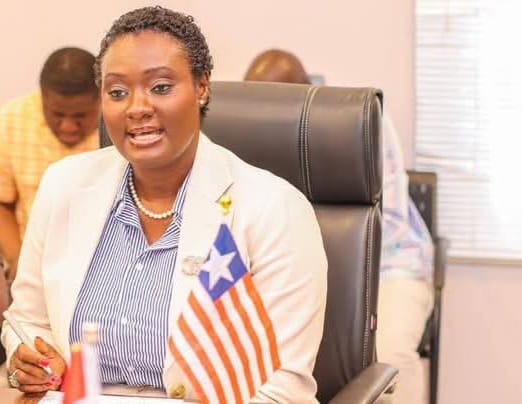
The Liberia Anti-Corruption Commission (LACC) has officially cleared Emma Metieh Glassco of corruption allegations related to the management of World Bank funds. This decision comes at a time when maritime governance in Africa and institutional credibility have become essential pillars for the development of the blue economy across the continent.
Former Director General of the National Fisheries and Aquaculture Authority (NaFAA) and a recognized personality in Africa’s maritime sector—particularly distinguished in the Maritimafrica List 2024—Emma Metieh Glassco has now been formally exonerated after several months of investigation.
An Official LACC Decision Following Months of Investigation
In a letter dated December 23, 2025, the Liberia Anti-Corruption Commission (LACC) concluded that the evidence reviewed did not establish criminal intent or personal criminal liability on the part of Emma Metieh Glassco.

The investigation focused on the use of more than USD 800,000 under a World Bank–funded project, notably for the construction of the new NaFAA headquarters on Bushrod Island. After examining financial and administrative records, the Commission determined that the threshold for criminal culpability had not been met.
This conclusion aligns with previous audits conducted under international donor procedures, including reviews by project management units and national financial oversight mechanisms.
Maritime Governance and Management of International Funding
At the center of the case was the management of resources from the Liberia Sustainable Management of Fisheries Project, a strategic program for fisheries and aquaculture in Africa and for the sustainable structuring of Liberia’s fisheries sector.
Emma Metieh Glassco consistently maintained that disbursements complied with procurement guidelines and the World Bank’s “no-objection” procedures, with funds processed through the Ministry of Finance’s Project Financial Management Unit, in accordance with donor requirements.
In an environment where investments in Africa’s blue economy are expanding, transparency and compliance with international standards remain essential to strengthening the confidence of technical and financial partners. This case highlights the increasing demands for maritime governance in Africa and for the sound management of funds dedicated to sustainable maritime development.
Presidential Suspension and Regional Legal Action
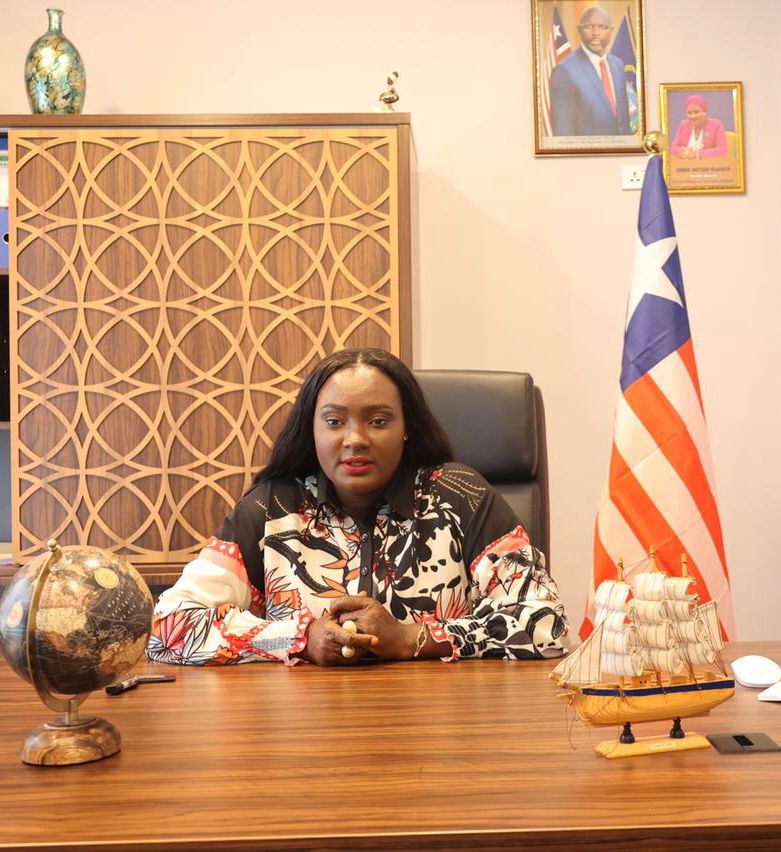
Emma Metieh Glassco’s legal challenges began in February 2025 when President Joseph Boakai announced her suspension following recommendations from the NaFAA Board of Directors.
At the time, the government described the measure as precautionary, citing concerns related to administrative and financial management. Contesting the legality of her removal, Ms. Glassco filed a case before the ECOWAS Community Court of Justice, alleging wrongful dismissal and violations of her rights under Article 20(a) of the Constitution, as well as provisions governing NaFAA’s institutional framework. The regional court registered her complaint and granted the Liberian government 30 days to respond.
In November 2025, even before her official exoneration, Ms. Glassco resigned for personal reasons. President Boakai accepted her resignation and thanked her for her service to Liberia’s fisheries and aquaculture sector.
This sequence unfolded in the context of Liberia’s post-electoral political transition, as Ms. Glassco had been appointed in 2022 under the administration of George Weah. For many observers in Africa’s maritime sector, the case underscores the sensitivity of technical appointments during political transitions.
A Structuring Legacy for Fisheries and the Blue Economy in Liberia
Beyond the controversy, Emma Metieh Glassco’s tenure marked a turning point in the structuring of fisheries and the blue economy in Liberia.
During her mandate, she mobilized international funding for the fisheries sector, strengthened Liberia’s compliance with European Union regulations against illegal, unreported, and unregulated (IUU) fishing, and increased the country’s visibility in regional fisheries governance.
She developed and operationalized a Fisheries Information Management System (FIMS), accompanied by a dashboard aimed at improving transparency and evidence-based decision-making.
Her tenure also saw the implementation of sustainable livelihood programs for fishing communities, including the establishment of co-management associations, net exchange programs, the transition from paddle canoes to fiberglass vessels, the distribution of safety equipment (life jackets, Class B AIS transponders, GPS devices), the provision of microcredit schemes, and the construction of fish processing facilities using the FAO-Thiaroye technique.
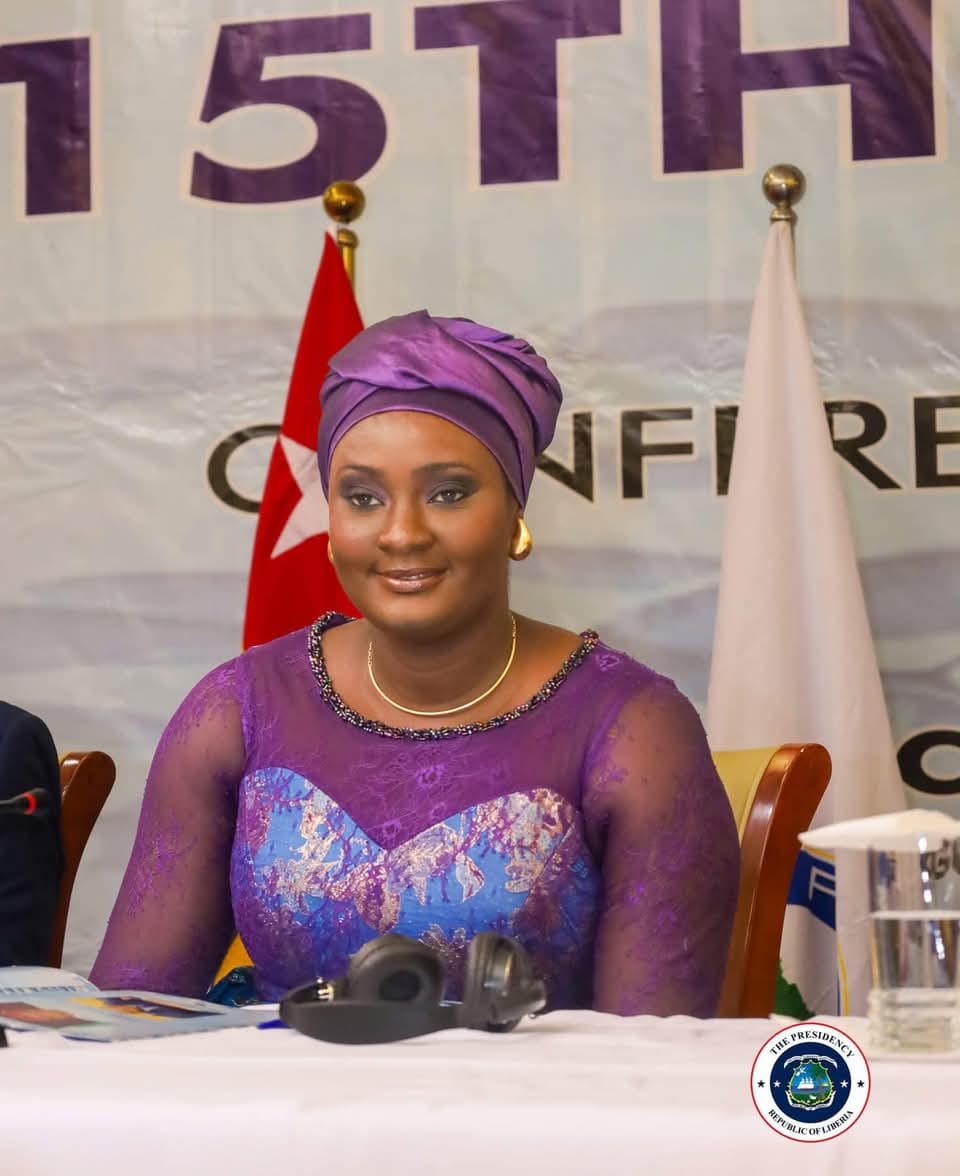 As Chair of the Fisheries Committee for the West Central Gulf of Guinea (FCWC), she championed a regional policy instrument establishing joint fishing closure seasons and coordinated fisheries patrols, adopted by six West African states.
Through grant financing, she secured Liberia’s first fisheries patrol vessel, named Lonestar. She also signed a technical cooperation agreement with Ghana’s Regional Maritime University (RMU) to train Liberian seafarers to work on fishing vessels operating in national and international waters.
Under her administration, the shrimp fishery program was revived, leading to increased public revenues, while tuna vessels flying the Liberian flag became a significant investment since 2021.
She also facilitated Liberia’s first independent and comprehensive fisheries stock assessment in over 40 years, in partnership with the Government of Morocco.
Her mandate further saw the establishment of the first university program in fisheries and aquaculture sciences at the University of Liberia.
On the policy front, she contributed to the ratification of key international instruments, including the Port State Measures Agreement, the update of the 2010 fisheries regulations, and the drafting of the National Fisheries and Aquaculture Management Act. Liberia also joined several regional fisheries management organizations, including the International Whaling Commission (IWC) and ATLAFCO.
Implications for Africa’s Maritime and Fisheries Sector
The LACC’s decision closes a chapter that fueled debate on public governance and institutional stability in a country whose economy remains closely tied to the sea.
For Liberia—historically a major player in global maritime transport through its international ship registry—the credibility of institutions remains a key factor in attracting sustainable investment in Africa’s blue economy.
More broadly, the case underscores the importance of strong regulatory frameworks, independent oversight mechanisms, and rigorous management of international funding to support the growth of Africa’s maritime sector, from artisanal fisheries to major commercial flows transiting through African ports.
Regional Outlook: Toward a Consolidated Blue Economy in Africa
The clarification provided by the LACC may help restore the confidence of donors and investors engaged in fisheries and maritime projects in West Africa.
At a time when African states are accelerating the development of maritime hubs, modernizing port and fisheries infrastructure, and optimizing maritime logistics corridors, institutional stability and governance remain decisive levers.
For policymakers, investors, and professionals in Africa’s maritime transport and fisheries sectors, this case serves as a reminder that the continent’s economic performance depends as much on the strength of its institutions as on the robustness of its infrastructure.