Southern Africa Charts Course for Ocean-Climate Leadership Ahead of Mombasa Summit
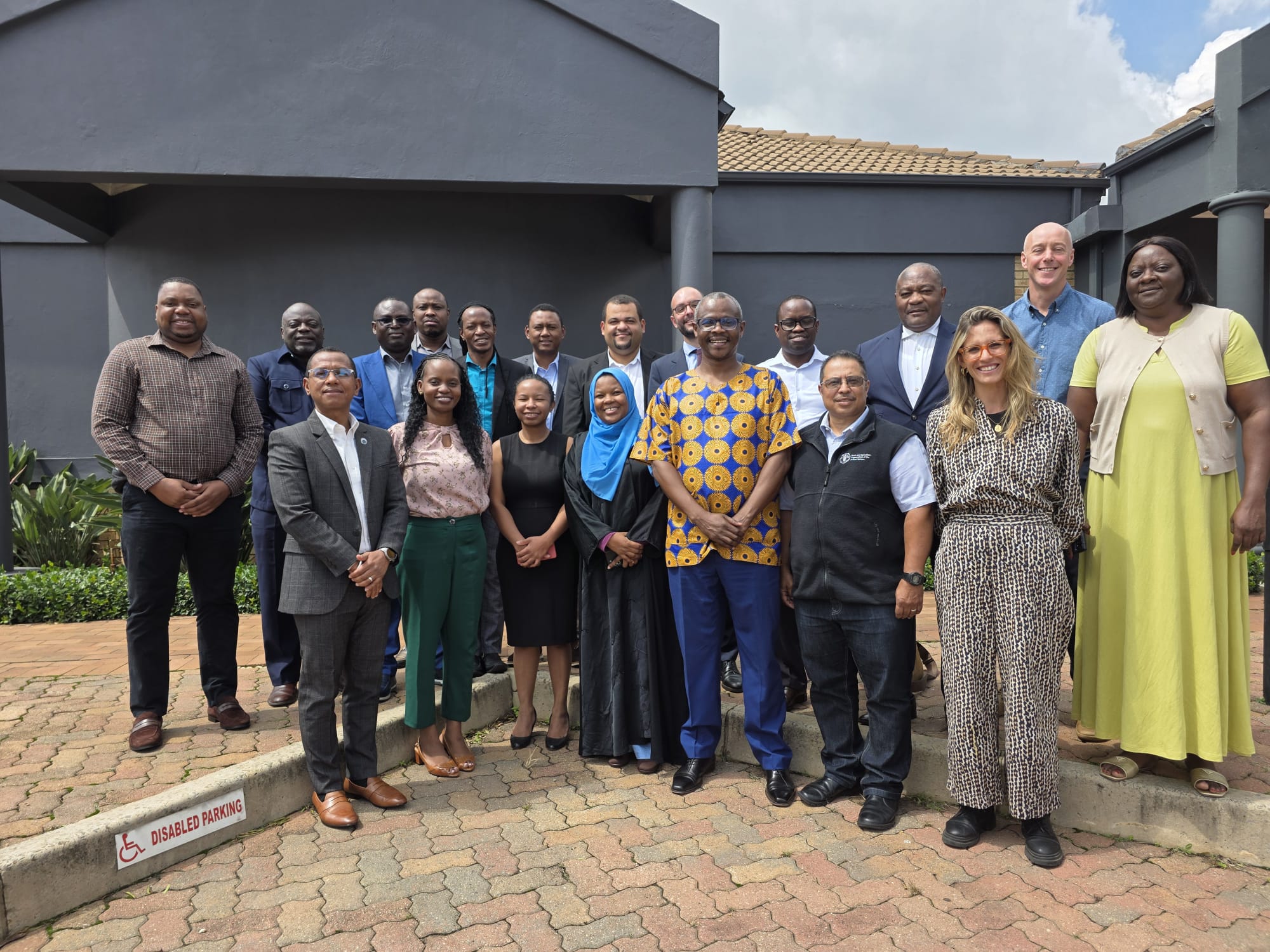
Sixteen nations gathered in Johannesburg to build a unified ocean-climate agenda — from fisheries governance to offshore wind — as the region prepares to take the stage at the Our Ocean Conference.
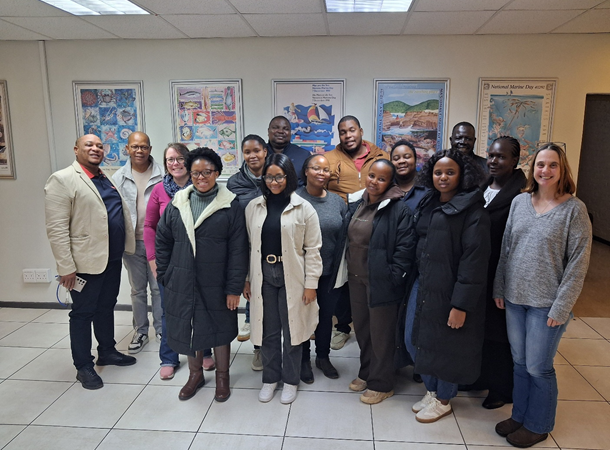
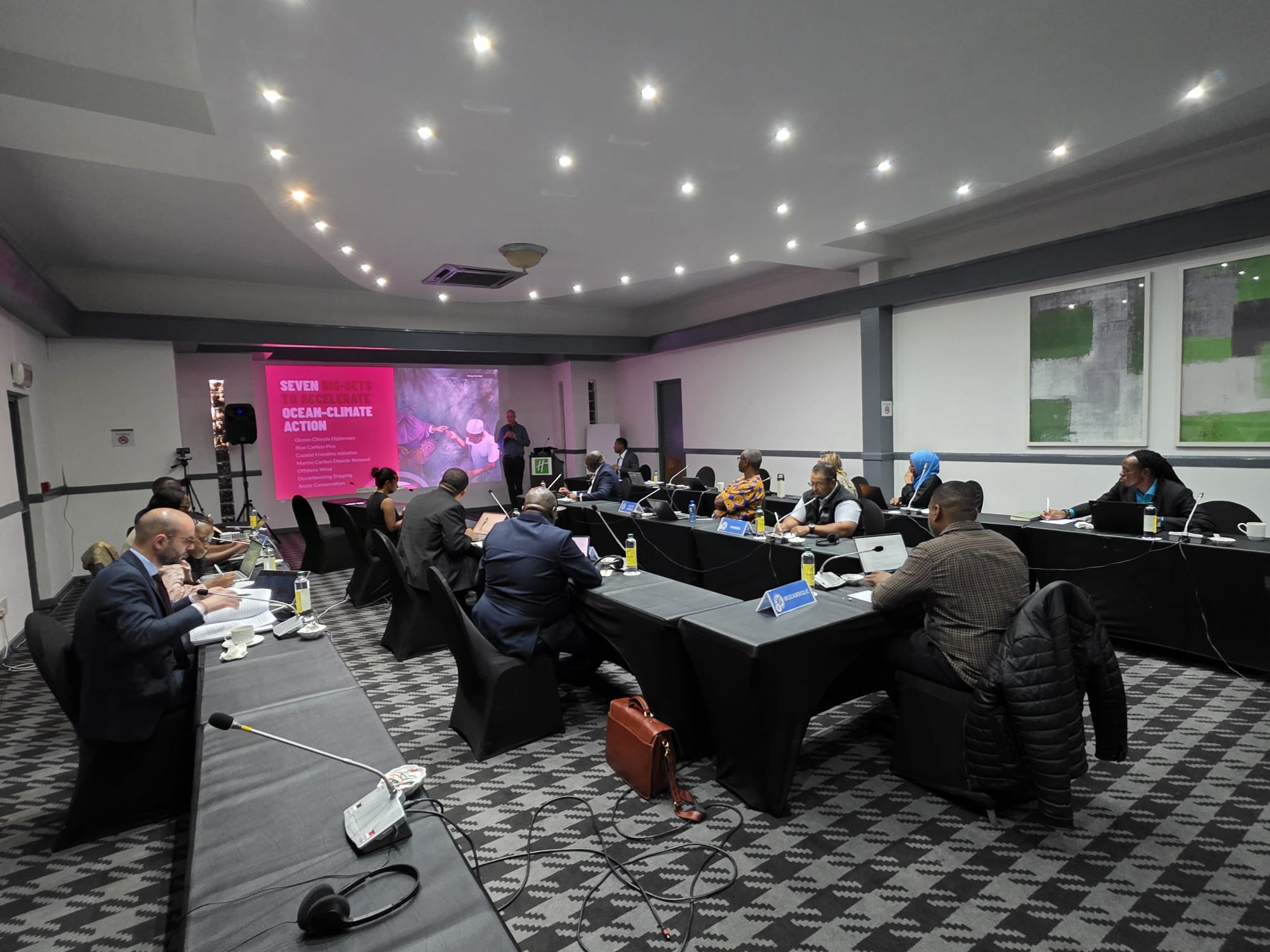
On 25 March 2026, government delegations and stakeholders representing the Southern African Development Community’s sixteen member states converged on Johannesburg for a landmark ocean-climate briefing day, charting what could be one of the most consequential shifts in the region’s approach to its maritime future. Organised at the invitation of SADC and facilitated by the Ocean Resilience and Climate Alliance (ORCA), the session brought together policy-makers, scientists, and development practitioners to translate growing political will into concrete action across four priority areas: fisheries governance, ocean-based national climate plans, marine carbon dioxide removal, and offshore wind energy.
The event set the stage for a decisive moment this June, when SADC countries are expected to announce major ocean-climate commitments at the Our Ocean Conference in Mombasa — one of the most important international forums for ocean policy and investment.

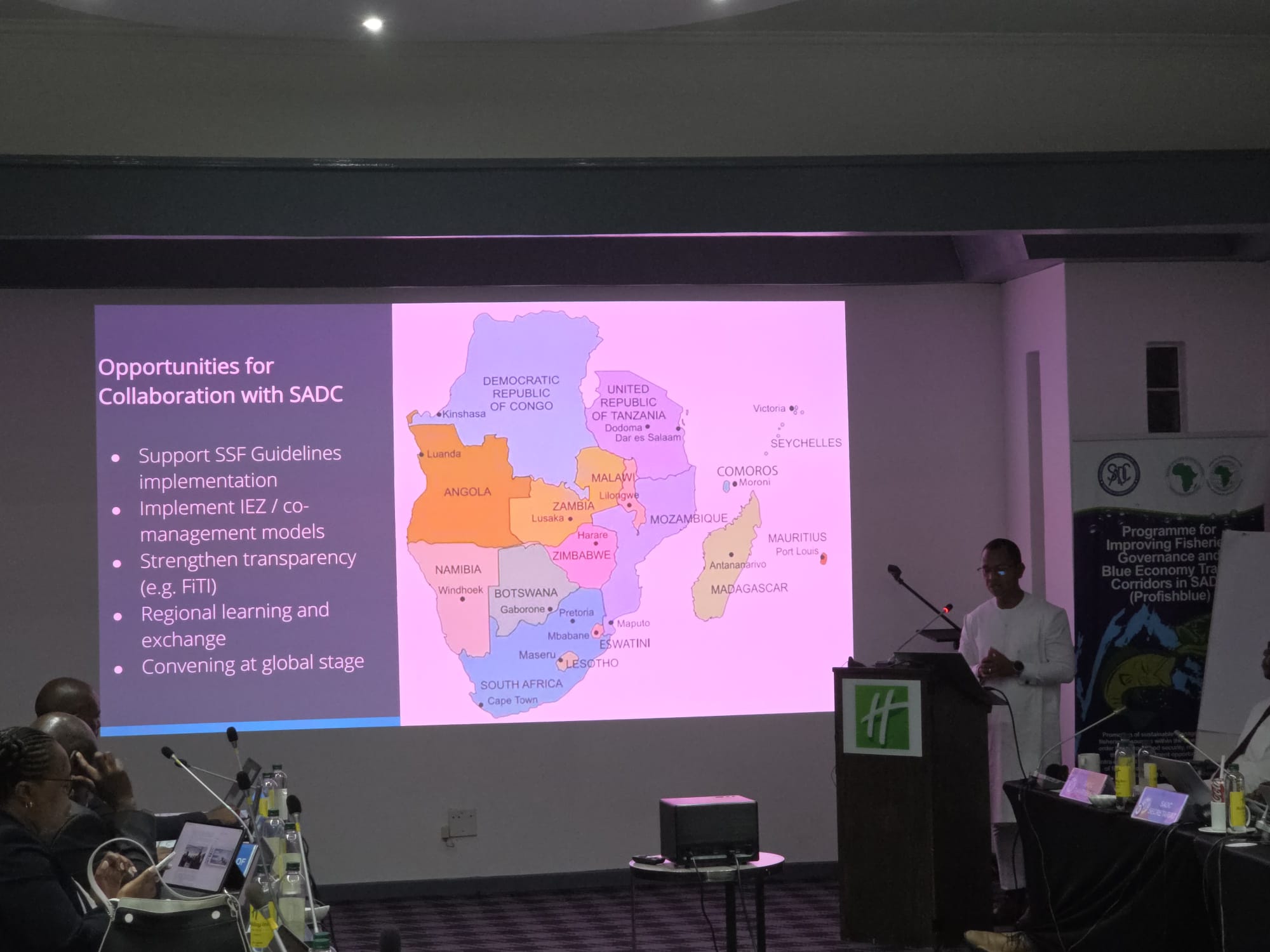
H.E. Dr. Paubert Tsimanaoraty Mahatante · Former Minister for Fisheries and Blue Economy, Madagascar & ORCA Champion |
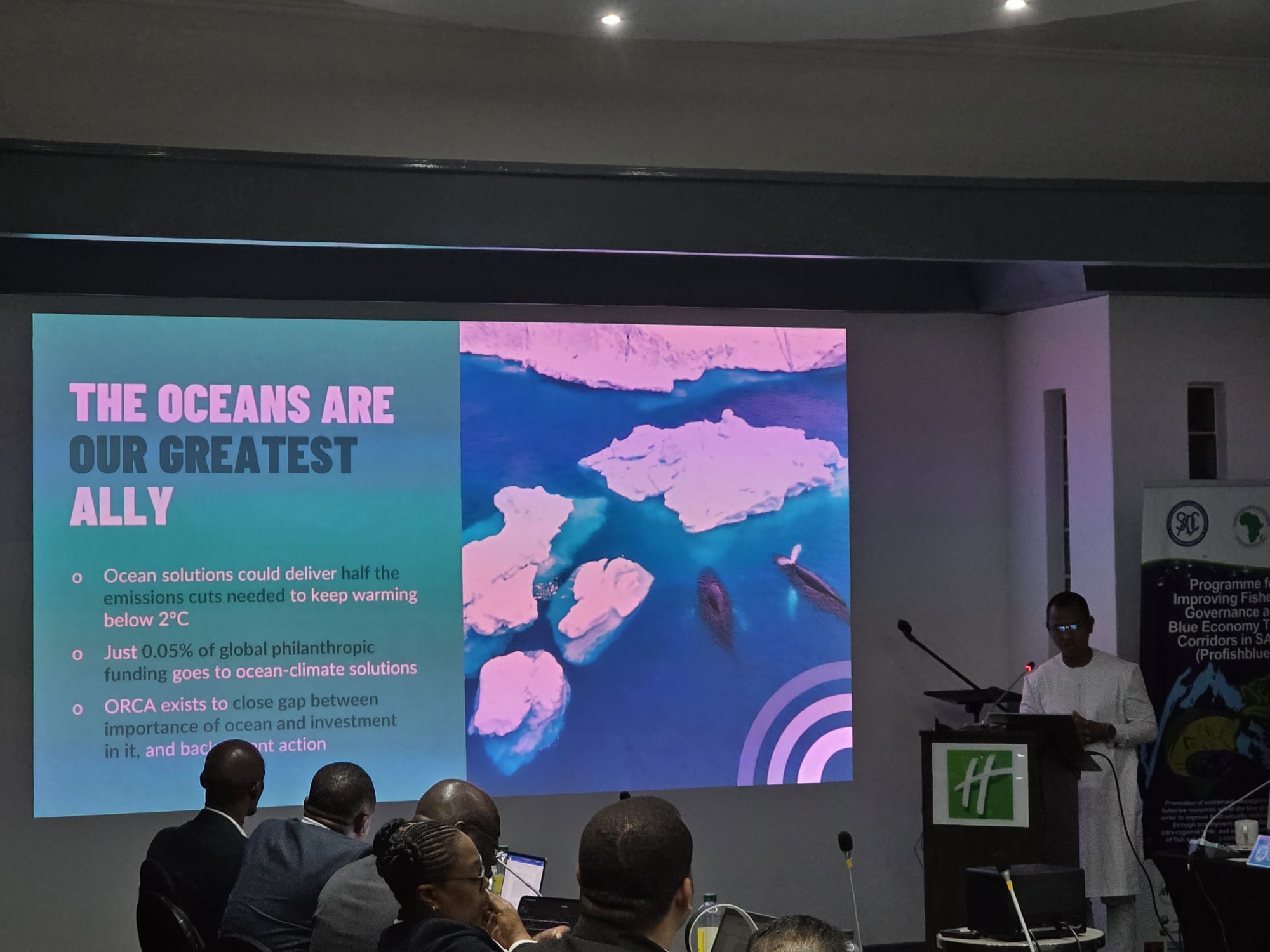
|
16 SADC Member States engaged |
90%
of global fisheries employment supported by small-scale fisheries |
35%
potential contribution of ocean solutions to global emissions cuts by 2050 |
30% of global CO₂ absorbed by the ocean annually |
Protecting the Blue Backbone: Fisheries Governance
For millions of people living on Africa’s coastlines, small-scale fisheries are not an abstraction — they are the difference between food on the table and poverty. Supporting roughly ninety percent of global fisheries employment, the sector remains a vital pillar of food security and livelihoods across coastal African states. Yet it faces mounting threats: illegal, unreported and unregulated (IUU) fishing, overfishing, ecosystem degradation, pollution, resource migration, and a worsening climate all converge on the same fragile communities.
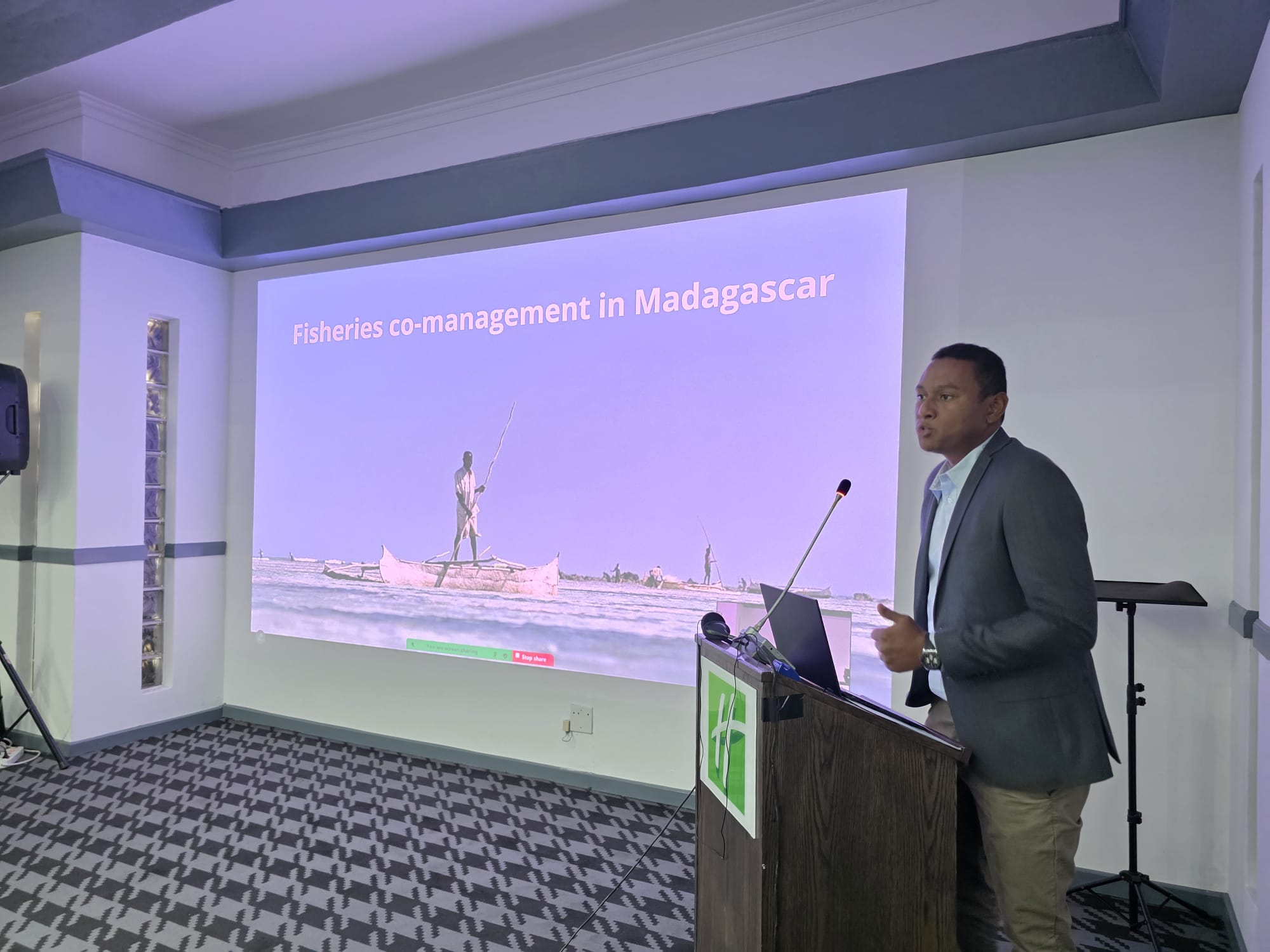
Participants in Johannesburg discussed concrete pathways to strengthen governance frameworks, including the establishment of inshore exclusive fishing zones, greater transparency in fisheries management, and improved monitoring, control and enforcement systems. The discussion drew on real-world progress already underway: Cabo Verde, Mauritania, Ghana, Senegal, Seychelles, and Madagascar are among the African nations already advancing meaningful transparency measures, providing a model for their neighbours.
Why Fisheries Transparency MattersTransparency in fisheries management — knowing who is fishing, where, and how much — is foundational to sustainable resource use. Without it, IUU fishing flourishes and coastal communities bear the cost. Several SADC countries are actively implementing the Fisheries Transparency Initiative (FiTI), with Madagascar recently publishing its third progress report demonstrating steady improvements. |
Embedding the Ocean in Climate Plans
The first Global Stocktake at COP28 delivered a sobering verdict: the world is not on track to meet the 1.5°C target of the Paris Agreement. Yet there is a vast, underutilised resource in the fight against climate change — the ocean itself. Key sectors, including offshore renewables, low-carbon shipping, sustainable aquatic food systems, and the responsible phase-out of offshore oil and gas, offer enormous potential to cut emissions while generating co-benefits for ecosystems and communities alike.
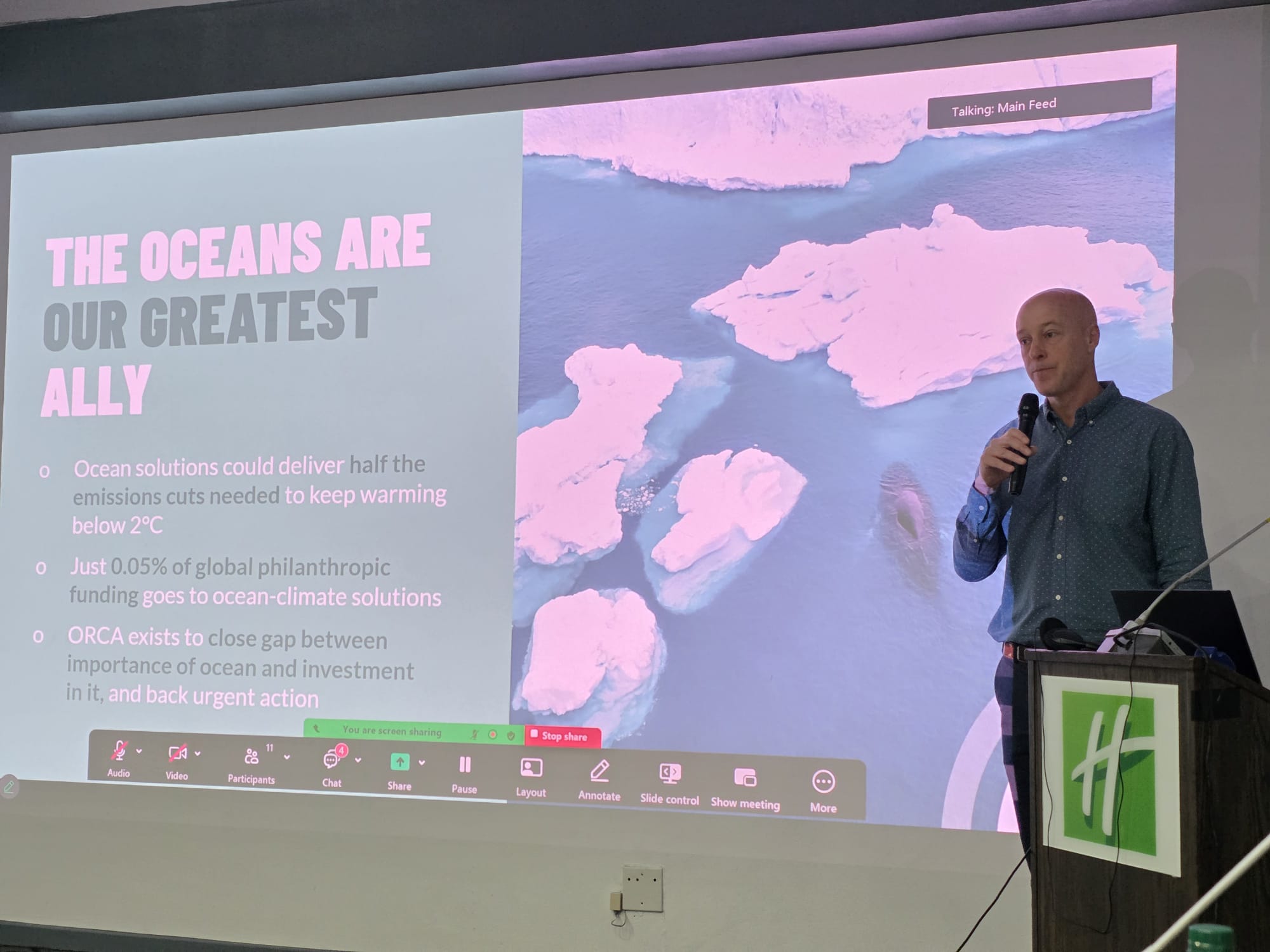
The Blue NDC Implementation Taskforce, launched on the sidelines of COP30 by France and Brazil and now joined by more than ten countries — including Madagascar, Seychelles and Kenya from the SADC region — is working to convert this potential into policy reality. The initiative helps nations integrate ocean-based measures into their next round of Nationally Determined Contributions (NDCs), accelerating action to cut emissions, strengthen resilience, and protect vulnerable coastal communities. Participants in Johannesburg were urged to expand their engagement with the Taskforce, with facilitators noting that ocean solutions could contribute up to thirty-five percent of the global emissions reductions needed by 2050.
Despite this potential, the ocean receives less than one percent of global climate funding. The Taskforce aims to change that by making the case — in policy and in numbers — for ocean sectors as core components of national climate strategies.
Four Pillars of Action
| 🐟
Small-Scale Fisheries & Transparency Inshore exclusive fishing zones, enhanced monitoring, and governance reforms to protect coastal livelihoods while combating IUU fishing across SADC waters. |
🌊
Blue NDC Challenge Integrating ocean-based priorities — offshore renewables, low-carbon shipping, blue carbon — into national climate plans ahead of COP deadlines. |
| 🔬
Marine Carbon Dioxide Removal Early-stage research on harnessing the ocean’s natural carbon sink capacity, with African institutions leading governance and scientific scaffolding. |
💨
Offshore Wind Energy Leveraging Africa’s immense coastal wind resources to deliver clean, affordable energy and jobs — a cornerstone of a just energy transition for SADC. |
The Ocean as Climate Solution: Marine Carbon Removal
The ocean already holds more carbon than anywhere else on Earth — and new science suggests it could do far more. Innovations that harness the ocean’s biological, chemical and physical processes could theoretically remove up to eight billion tonnes of CO₂ per year by mid-century. But this technology is at an early, critical stage where governance and social acceptance must be built alongside scientific capability, not after.
ORCA’s Advancing Marine Carbon Sequestration initiative is building exactly that infrastructure: scientific frameworks, governance standards, and the social license needed for responsible deployment. The initiative is developing robust standards for monitoring and verification so that any future claims about carbon removal are credible, comparable and trusted — and it is ensuring that coastal communities and conservation leaders have a meaningful voice before deployment accelerates.
Africa’s role in this emerging field is growing. Through the University of Mombasa’s Ocean Climate Innovation Hub, the South African Innovation Lab for Ocean-Climate Resilience (SAILOR), and a network of research institutions and alumni, African scientists are contributing to the research questions that will determine whether marine carbon dioxide removal can play a safe and responsible role in global climate action.
Unlocking Africa’s Offshore Wind Potential
Africa is a blue continent. With thirty-eight coastal and island states and extensive, largely untapped ocean resources, the continent sits atop one of the world’s most significant renewable energy opportunities. Offshore wind — already transforming energy systems in Europe and beginning to take hold in Asia — could do the same for Africa’s southern coastline, delivering reliable, affordable clean energy while creating jobs and protecting marine ecosystems if developed responsibly.
SADC participants discussed the enabling conditions necessary to get projects off the ground: coherent policy frameworks, grid infrastructure, and access to affordable finance. Lessons from early-stage offshore wind markets in comparable contexts were shared, along with the potential of regional collaboration mechanisms such as the Global Offshore Wind Alliance to channel the technical and financial support that emerging markets need. The message was clear: offshore wind is not a distant aspiration for the SADC region — it is a near-term opportunity, provided the policy foundations are laid now.
Road to Mombasa: A Region Ready to Lead
The Johannesburg briefing day was, by design, preparatory. Its purpose was to equip SADC governments with the policy insights and mutual confidence needed to make meaningful commitments at the Our Ocean Conference in Mombasa this June — a major international gathering where ocean pledges, partnerships and investment announcements are expected to reshape the governance landscape for years to come.
Delegates and facilitators were united in their assessment: no single solution will address the full scope of pressures facing the region’s oceans and coastal communities. Sustainable fisheries management, integrated climate policy, and investment in emerging ocean technologies must advance together. But the momentum in Johannesburg was palpable, and the intent to translate discussion into delivery at Mombasa was unmistakeable.
For SADC countries, the conference represents a rare convergence of opportunity: strong regional solidarity, a growing global appetite for ocean-climate investment, and a window — before new NDC cycles close and investment pipelines are set — to shape the terms of engagement in their own interest.
About ORCA — Ocean Resilience & Climate AllianceORCA is a global philanthropic collaborative launched in 2023 to accelerate ocean-based solutions to the climate crisis. It brings together funders, regranting organisations, and frontline partners behind a focused portfolio spanning offshore renewable energy, shipping decarbonisation, blue carbon ecosystems, marine carbon dioxide removal, Arctic conservation, and community-led ocean stewardship in the Majority World. Running from 2023 to 2028, ORCA aims to deploy US$500 million in support of ocean–climate action. As of 2025, the Alliance has channelled over US$170 million to 16 core partners, supporting more than 100 sub-grantees across 40+ countries. At the Johannesburg briefing day, ORCA was represented by Director Dr Alasdair Harris and ORCA Champion Dr Paubert Mahatante. |