Interview with Raquel Kibrit, Executive Director of International Association of Port Development (IAPORTS)

Q: How are geopolitical dynamics and trade reconfiguration impacting port strategies worldwide?
We are witnessing a structural reorganization of global trade, where resilience has become as critical as efficiency. In this context, ports are no longer passive gateways — they are strategic assets being repositioned within global value chains, required to respond to geopolitical shifts, supply chain diversification, and increasing pressure for sustainability and digitalization.
This transformation is forcing port leadership to adopt a much more proactive and internationally connected approach, aligning infrastructure decisions with long-term geopolitical realities and capital flows, rather than purely operational considerations.
Q: How do you see emerging markets — particularly in Latin America and Africa — positioning themselves in this global landscape?
Emerging markets are transitioning from peripheral players to strategic anchors in the reconfiguration of global trade. Latin America and Africa, in particular, are increasingly being recognized not only for their resource base, but for their potential to structure new logistics corridors and serve as platforms for long-term infrastructure investment.
What we are seeing is a gradual shift from dependency to protagonism — these regions are no longer waiting to be integrated; they are actively positioning themselves as essential nodes in the future architecture of global commerce.

Q: What unique advantages do regions like Latin America and Africa offer in the global port ecosystem today?
These regions combine a rare alignment of strategic geography, natural resource endowment, and unmet infrastructure demand — which, from an investment perspective, translates into high-impact opportunities with significant scalability.
But beyond the fundamentals, what truly differentiates them is timing: they are at a stage where transformation is still being shaped, which allows for the integration of modern, efficient, and sustainable models from the outset, rather than retrofitting legacy systems.

Q: What are the biggest barriers these regions still need to overcome to attract more international investment?
The main barriers are not a lack of opportunity, but a gap in structuring and perception. Many projects lack the level of financial, regulatory, and strategic clarity required to attract international capital at scale, and this is often compounded by fragmented communication with global investors.
Bridging this gap requires not only internal reforms, but also platforms that can translate local opportunities into globally understandable and investable narratives — which is precisely where international associations like IAPORTS can play a catalytic role.
Q: How can collaboration between emerging markets accelerate development in the port sector?
Collaboration between emerging markets represents one of the most underleveraged strategic levers in the sector. These regions often face similar structural challenges, which creates a powerful opportunity for shared learning, co-investment, and coordinated development strategies.
When these markets collaborate, they not only accelerate their own development curves, but also strengthen their collective positioning in global trade negotiations and capital allocation decisions.
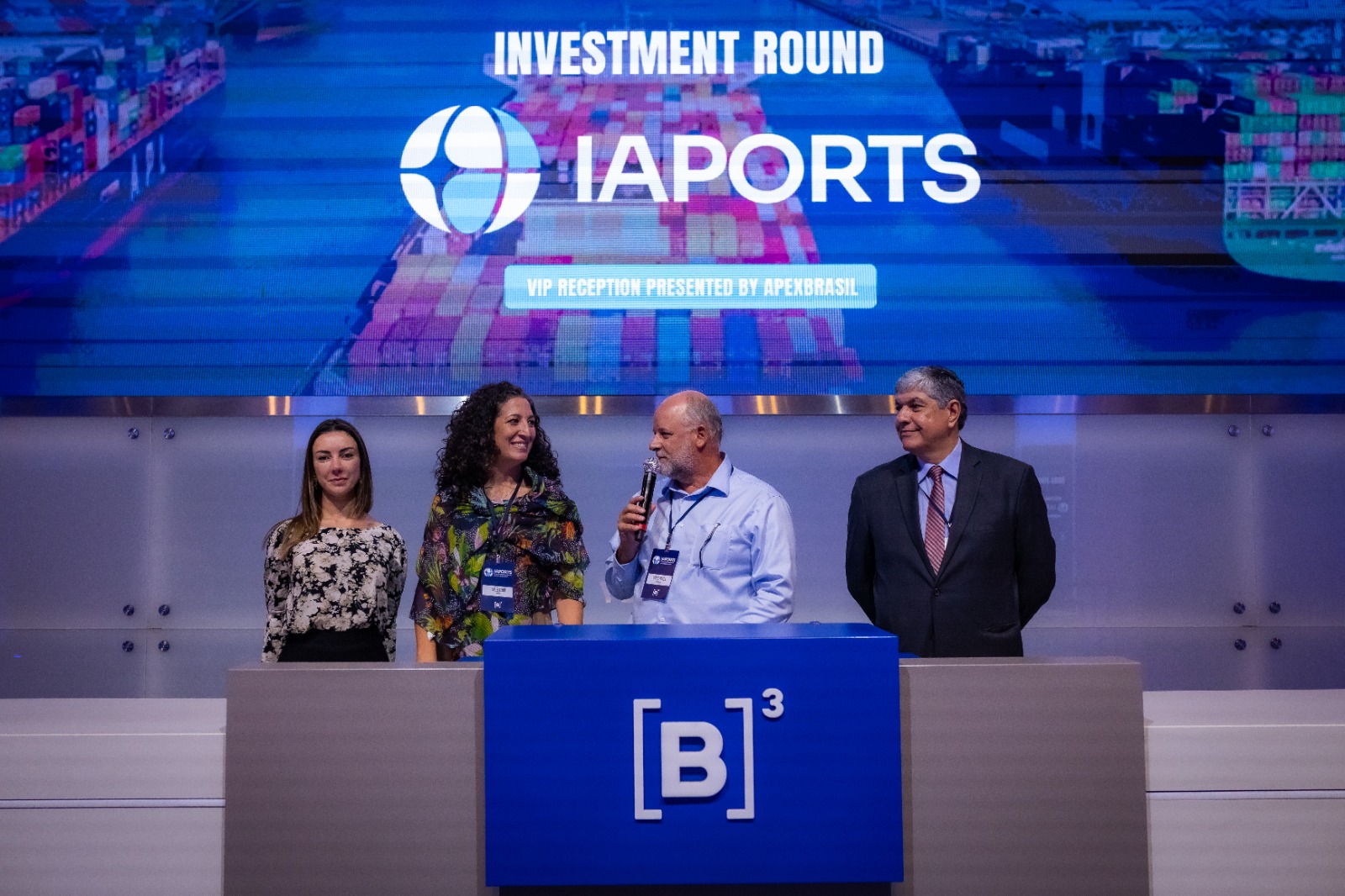
Q: How does IAPORTS actively connect stakeholders across different regions in practice?
At IAPORTS, connectivity is not conceptual — it is operationalized through structured environments designed to generate outcomes. We bring together stakeholders through investment platforms, curated networking formats, technical committees, and international missions that are intentionally designed to move from dialogue to execution.
Our role is to reduce the distance between opportunity and decision-making, ensuring that connections made within our ecosystem translate into tangible partnerships, investments, and strategic alignment.
Q: Maritimafrica reaches a wide audience of African port leaders. How can African ports and institutions take part in IAPORTS’ initiatives?
Africa is not just a region of interest for IAPORTS — it is a strategic priority within our global vision. We see African ports and institutions as essential contributors to the future of global trade, and we are actively working to integrate them into our ecosystem.
Participation can happen through membership, engagement in our global platforms, and involvement in our investment and knowledge-sharing initiatives — all designed to ensure that African stakeholders are not only present, but actively shaping the international agenda.
Q: For organizations and professionals watching this interview, what would be your invitation to engage with IAPORTS?
My invitation is for organizations to move beyond local positioning and start thinking in terms of global influence. In today’s environment, competitiveness is no longer defined solely by operational efficiency, but by the ability to connect, collaborate, and position strategically at an international level.
IAPORTS is designed precisely for that — to serve as a platform where organizations can not only participate in global conversations, but actively shape them.
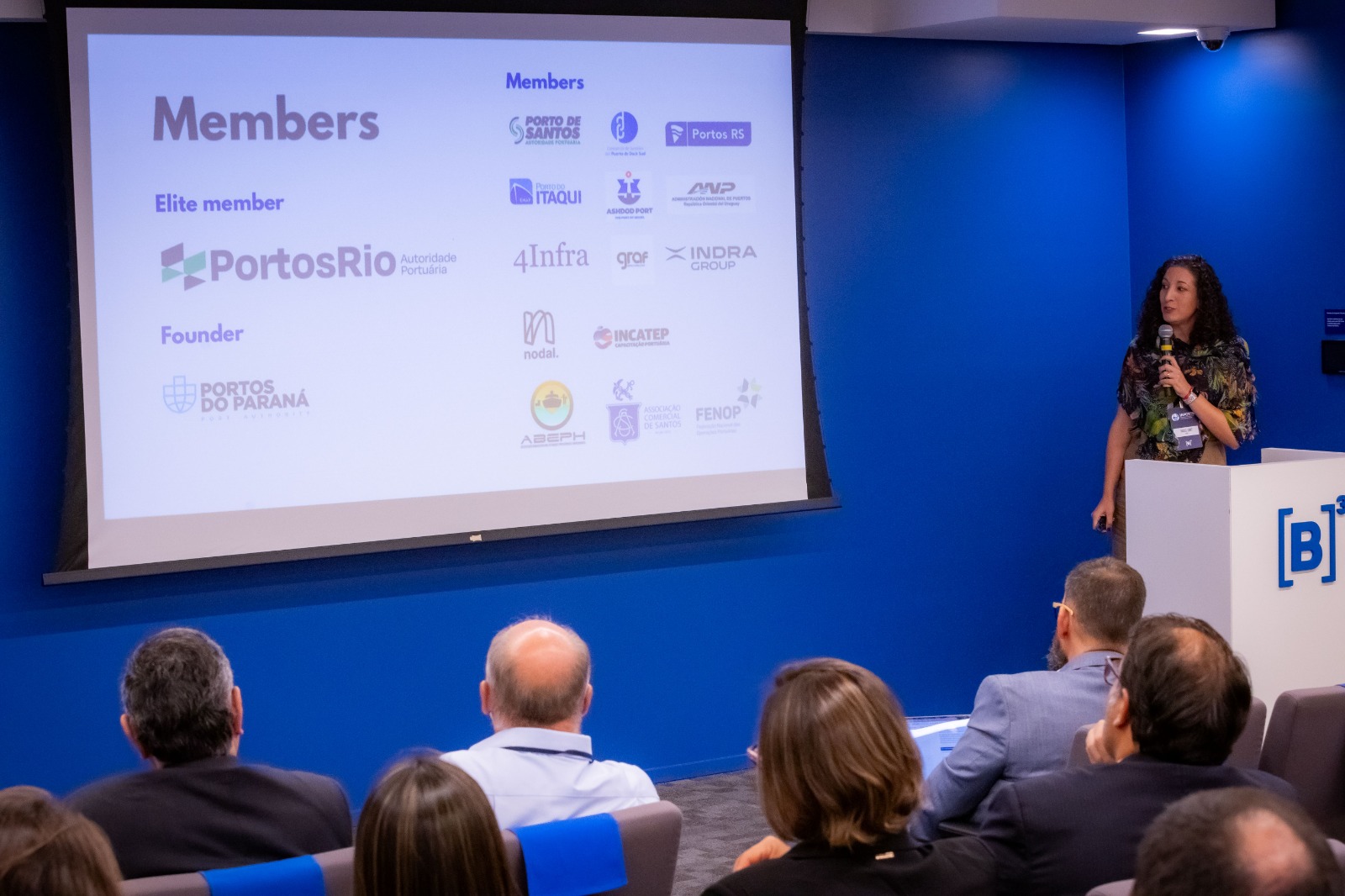
Q: Where can people follow IAPORTS and stay updated on opportunities?
IAPORTS maintains a continuous flow of communication through its digital platforms, where we share insights, opportunities, and strategic initiatives across the global port ecosystem.
Our website and LinkedIn presence are the primary gateways for engagement, but more importantly, they serve as entry points into a network that is actively evolving and generating value in real time.
Q: Finally, Raquel, what message would you like to leave for Maritimafrica’s audience across Africa and beyond?
We are entering a decade where the geography of global trade will be redefined — and regions like Africa will play a central role in that transformation. The question is no longer whether these markets will be relevant, but how they will position themselves within this new landscape.
My message is clear: the future of the port sector will be built through collaboration, and those who are able to connect strategically across regions will not only participate in this transformation — they will lead it.
Contact :