Dr Adalikwu Calls for a Regional Maritime Training Ecosystem: MOWCA Launches Landmark Exchange Programme
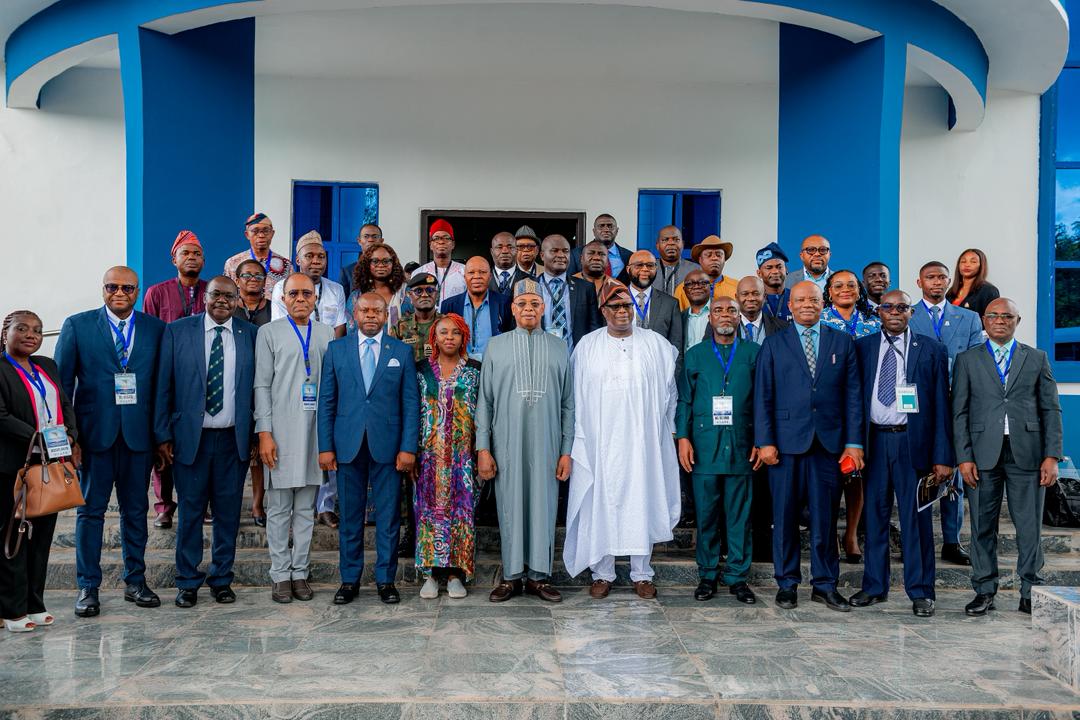
The MOWCA launches an unprecedented exchange programme between three major maritime training institutions across the region
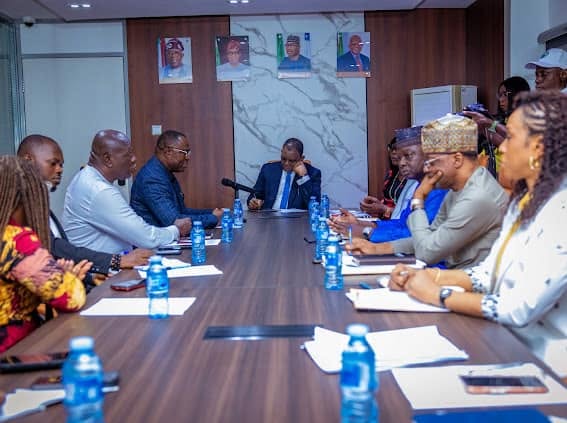
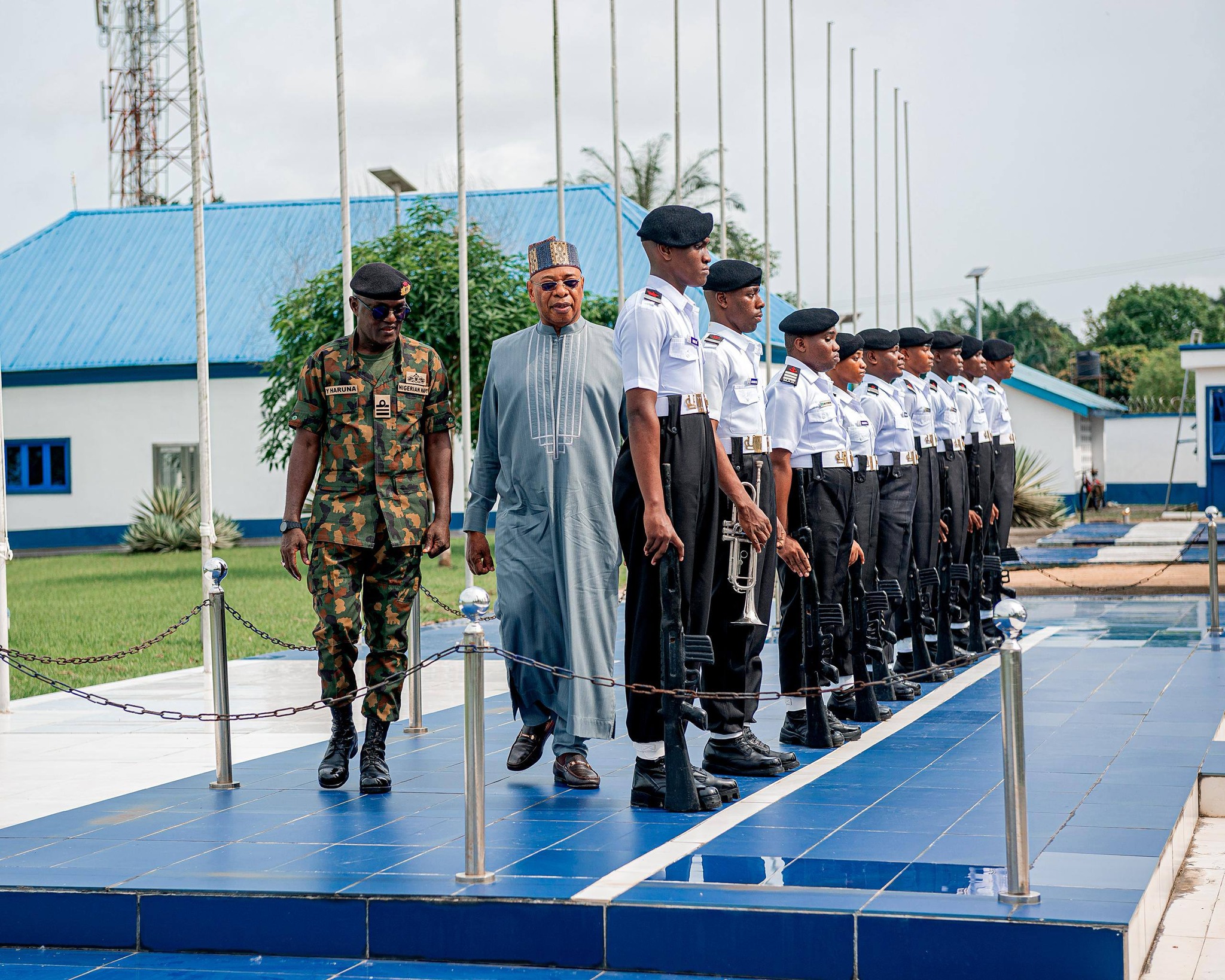
The Maritime Organisation of West and Central Africa (MOWCA) has taken a decisive step toward building an integrated regional maritime training space. During a four-day exchange visit hosted at the Maritime Academy of Nigeria (MAN) in Oron, Akwa Ibom State, MOWCA Secretary General Dr Paul Adalikwu reaffirmed the organisation’s commitment to closing the maritime human capital gap through concrete synergies between regional training institutions.
The event brought together three leading institutions: the Regional Maritime University (RMU) in Accra, Ghana; the Académie Régionale des Sciences et Techniques de la Mer (ARSTM) in Abidjan, Côte d’Ivoire; and the Maritime Academy of Nigeria (MAN) in Oron — a first in the history of regional maritime cooperation.

Why This Initiative Matters
Over 90% of trade in West and Central Africa moves by sea. Yet the ability of member states to fully harness the potential of their maritime domain remains heavily dependent on the quality of locally trained human resources — and that is precisely what makes this initiative so urgent.
Dr Adalikwu identified several pressing challenges that training institutions must urgently address: the digital transformation and integration of emerging technologies, decarbonisation and environmental compliance, and maritime security threats in the Gulf of Guinea. Added to these is the need to align training standards with international norms to ensure global recognition of African maritime certifications.
An Ambitious Cooperation Framework
The collaboration between the three institutions aims to establish a shared platform built around several key pillars: harmonisation of curricula and training standards, faculty and student exchanges, sharing of infrastructure and research outputs, development of joint certification programmes aligned with international standards, and the strengthening of a regional identity in maritime education and training.
“What we seek to build is not just cooperation — but a cohesive regional maritime knowledge ecosystem,” said Dr Adalikwu. This vision sits at the heart of MOWCA’s broader strategic priorities, which include developing a skilled maritime workforce, promoting safe and efficient shipping, strengthening regional integration, and supporting the African Continental Free Trade Area (AfCFTA) and intra-African trade.
The organisation also intends to channel these synergies toward research on alternative fuel sources for shipping and toward supporting structural initiatives such as the proposed Regional Maritime Development Bank.
Institutions United Behind the Vision
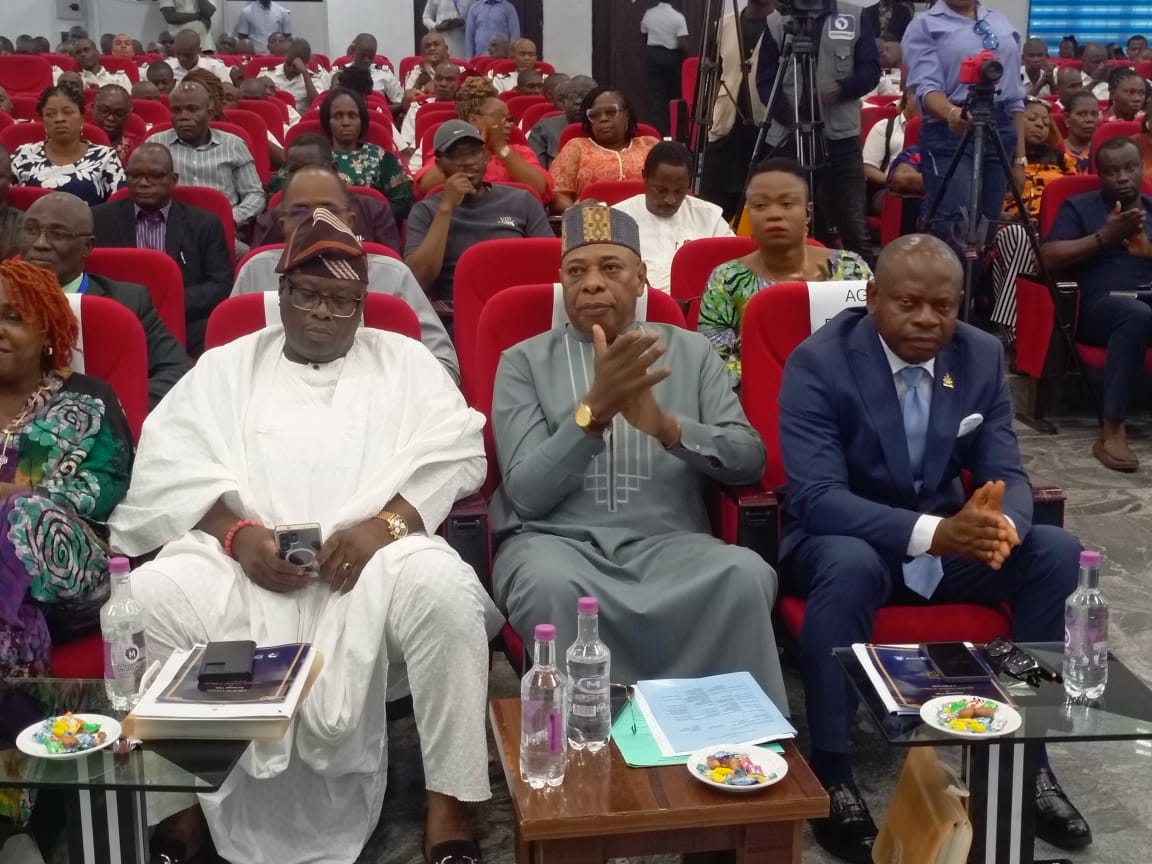
Acting Rector of MAN Oron, Dr Kevin Okonna, welcomed the hosting of this inaugural visit on Nigerian soil. He recalled that a Memorandum of Understanding had already been signed with RMU Ghana during MAN Oron’s November 2025 graduation ceremony, and that the academy had recently established a similar partnership with the Liberian Maritime Administration. He expressed confidence that these exchanges would strengthen compliance with the Standards of Training, Certification and Watchkeeping (STCW) Convention.
From Ghana, RMU Acting Vice Chancellor Dr Jethro Brooks called on all training institutions across the region to embrace this momentum, stressing that “Africa’s challenges are better addressed through collaboration than isolation.” He highlighted RMU’s unique position to deliver highly skilled and globally competitive human capital for maritime education and training across the continent and beyond.
Colonel Karim Coulibaly, Director General of the ARSTM in Abidjan, hailed the initiative as “a cornerstone” for elevating African maritime training to international standards of excellence, and pledged his institution’s full support.
Former IMO official Mr William Azuh, who previously headed the Africa Section of the Organisation’s Maritime Development Subdivision, described the meeting as “a timely and bold step” in advancing maritime training development across MOWCA member states.
What Comes Next
This exchange visit marks the beginning of a long-term process. Expected outcomes — academic exchanges, degree harmonisation, joint research, and enhanced international recognition of African certifications — have the potential to fundamentally reshape the maritime training landscape across West and Central Africa. The MOWCA intends to build on this momentum to position the region as a key player in the global maritime economy.