
Transport Logistique Cotonou 2026: Cotonou at the Heart of Discussions on the Future of Corridors and Logistics in West Africa
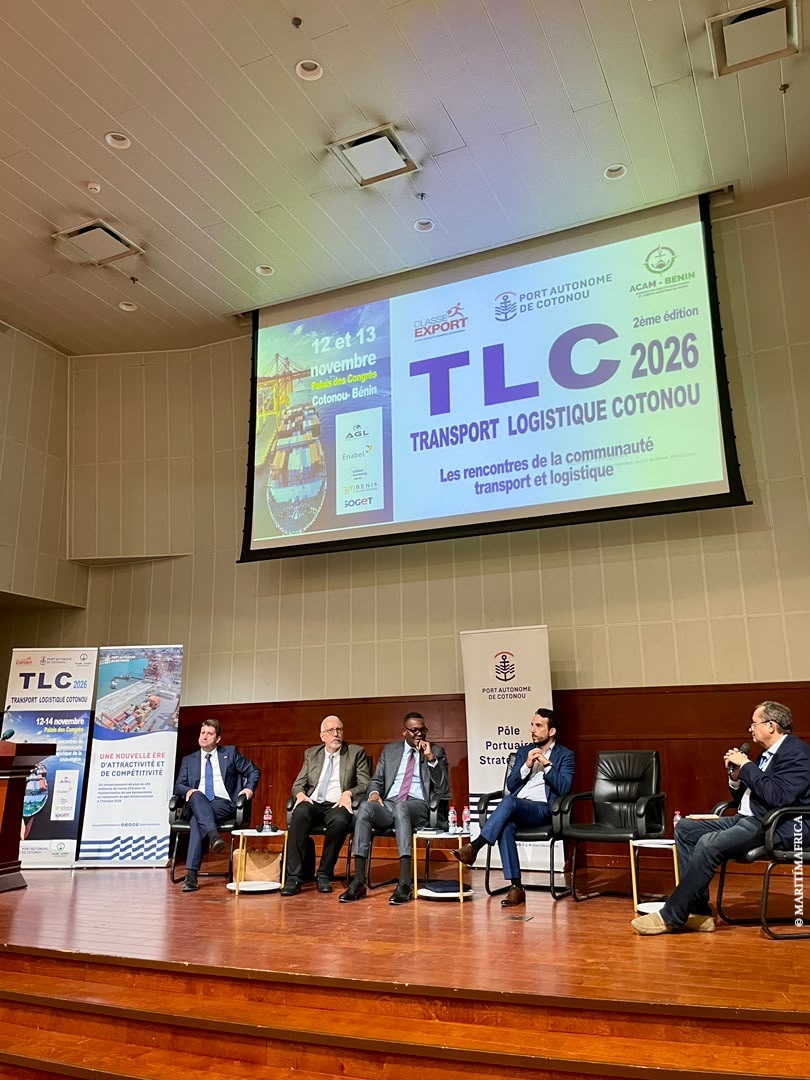 The second edition of the Transport Logistique Cotonou (TLC) meetings, held from 12 to 14 November 2026, brought together stakeholders from Cotonou’s port and logistics community, strategic international trade partners, and operators from the landlocked hinterland countries under the theme: “Corridors, Ports, Digitalisation: Building a More Seamless and Reliable Logistics System for West Africa.”
Organised by Classe Export, the Port Autonome de Cotonou and ACAM-Bénin (Association of Shipping Agents and Maritime Representatives of Benin), this trade event focused on the challenges of trade, cargo flows and operational performance. It reaffirmed the importance of dialogue and regional cooperation in building more efficient, reliable and better-connected logistics supply chains serving African and international markets.
The Port of Cotonou: A Strategic Player Engaged with Its Regional Corridor Partners
At the heart of the discussions was the strategic positioning of the Port of Cotonou and its ability to strengthen its role as a logistics hub serving Benin and the landlocked countries of its hinterland.
During the opening panel, Kevin Potier, Commercial Director of the Port Autonome de Cotonou, highlighted the scale of investments undertaken by the Beninese authorities. More than CFAF 450 billion has been invested in expanding and modernising port infrastructure since 2021.

The stated objective is to increase the port’s handling capacity to 25 million tonnes of cargo per year, while improving traffic flow and the quality of services provided to operators. Beyond physical capacity, however, the port’s connectivity with the wider regional economic environment remains a key strategic issue.
Discussions between stakeholders from Cotonou’s port and logistics community and their partners operating along the various hinterland corridors helped identify areas for improvement to make corridors originating from the port more efficient, reliable and better connected.
Digitalisation, Traceability and Efficiency: New Drivers of Competitiveness
Digital transformation featured prominently in this year’s discussions. The digitalisation of port and customs operations, cargo traceability and shorter cargo clearance times are increasingly essential drivers of competitiveness for African logistics corridors.
In a trading environment where speed, transparency and operational predictability directly influence business decisions, modernising procedures has become a necessity.
Land transport infrastructure was also a major focus. The development of rest areas along certain routes and improved connections with port facilities were identified as essential conditions for achieving smoother cargo movements.
This comprehensive approach highlights a fundamental reality: a corridor’s performance depends on the efficiency of every link in the chain. Investments in port infrastructure cannot deliver their full potential without simultaneous improvements in road infrastructure, customs procedures, information systems and coordination among the various stakeholders.
Conferences, Workshops and B2B Meetings: Bringing Logistics Stakeholders Closer Together
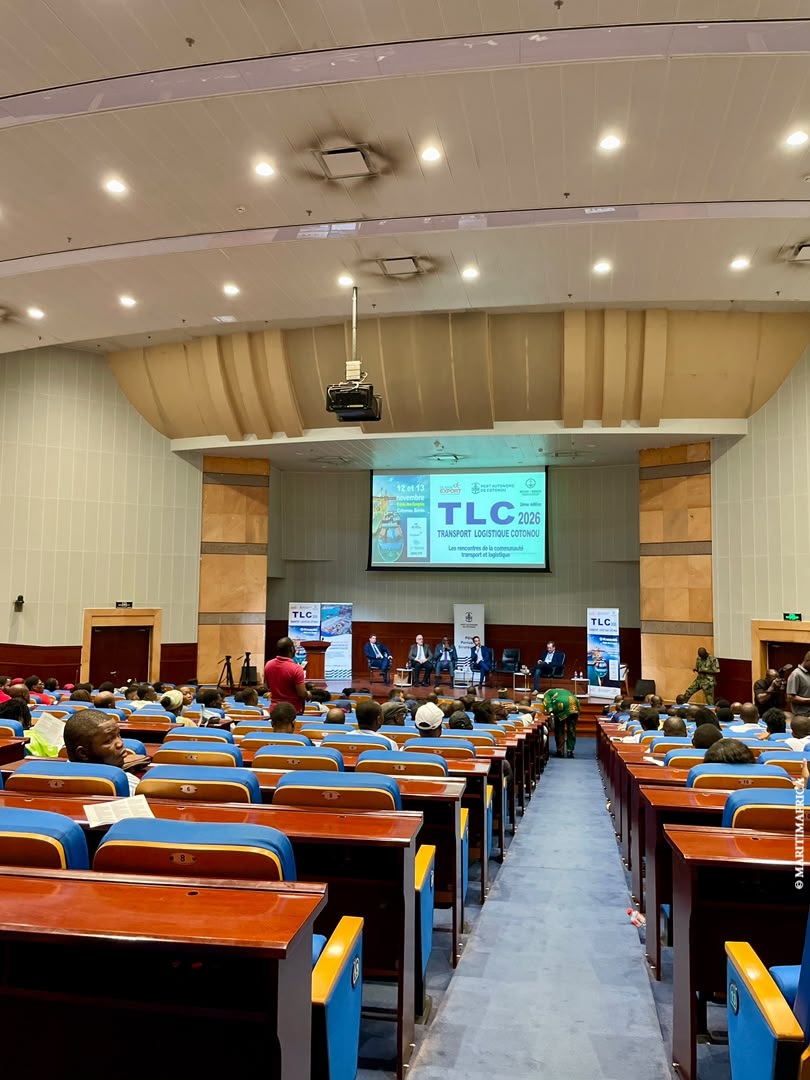 In keeping with its professional focus, TLC 2026 featured a programme combining conferences, technical workshops, masterclasses, exhibition spaces and B2B meetings.
Discussions covered several key topics, including the Port Autonome de Cotonou’s master plan and its vision for 2030, shipping lines’ strategies, the digitalisation of operations, cargo traceability and professional training.
The diversity of participants and topics brought together, under one roof, the various professions and stakeholders involved in the movement of goods.
The value of this format lies in its ability to connect players whose activities are closely interdependent but who rarely have a common platform to share experiences, identify operational bottlenecks and explore new opportunities for collaboration.
Cotonou and the Challenge of African Logistics Competitiveness
As African economies seek to strengthen intra-African trade and deepen their integration into global value chains, logistics performance is becoming an increasingly critical issue.
For Benin, the development of the Port Autonome de Cotonou and the strengthening of its hinterland corridors carry implications that extend far beyond national borders. They directly affect the economies of landlocked countries in the hinterland and, more broadly, the trade competitiveness of West Africa.
By bringing together the different components of this ecosystem, the Transport Logistique Cotonou meetings are helping to build a shared understanding of the transformations required.
However, the real challenge begins beyond the conferences and discussions: turning ideas into operational partnerships, ambitions into investments, and commitments into tangible improvements for businesses and logistics operators.
With its second edition, TLC has reaffirmed the relevance of this industry gathering, placing cooperation, connectivity and innovation at the centre of the future of logistics in West Africa.