Africa Must Assert Full Ownership of Maritime Security and Blue Economy in the Gulf of Guinea
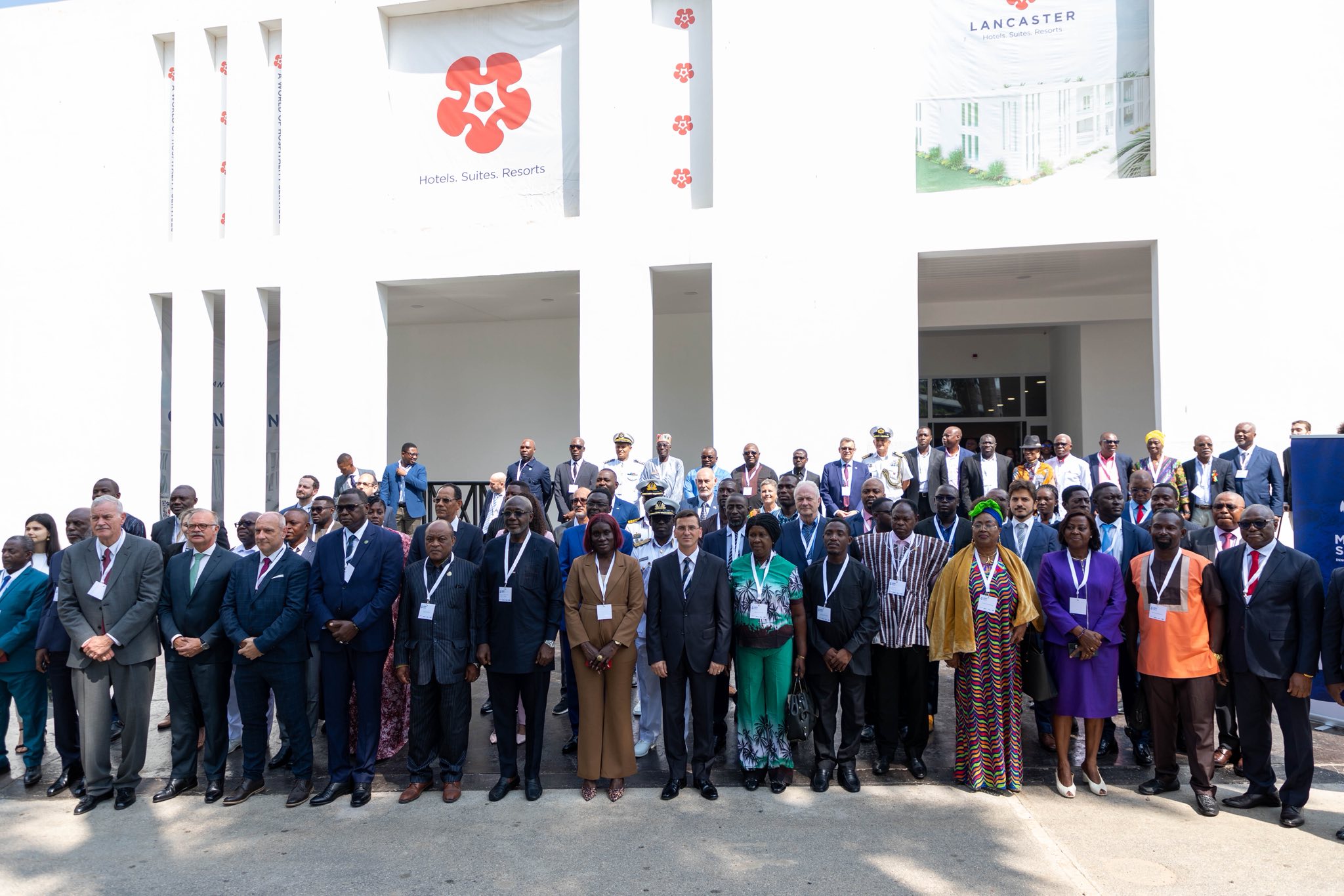
Ghana’s Chief of Naval Staff, Rear Admiral Godwin Livinus Bessing, has stressed the need for the African maritime sector to shift toward African ownership of maritime security and the Blue Economy in the Gulf of Guinea (GoG).
He asserted that this African ownership must be guided by three priorities of strengthening regional frameworks like the Yaoundé Architecture with decisive operational capacity, engaging the private sector as active stakeholders to lessen the burden on states and fostering inclusive partnerships that empower youth, promote gender equality, and benefit local communities.
Innovation

Delivering the keynote address at the opening of the 2025 edition of the Maritime Security Innovations and Partnerships for the Future Conference in Accra, Admiral Bessing highlighted the necessity for political will and greater solidarity among African states.
This, he noted, must be coupled with innovation through emerging technologies such as satellite surveillance, artificial intelligence, and circular fuel technologies to effectively protect the region’s waters.
The two-day event, was an initiative by the United Nations Institute for Training and Research (UNITAR), the International Maritime Organization (IMO), and the Atlantic Centre.
Hosted in partnership with the German Federal Foreign Office and the Ghana Maritime Authority (GMA), it brought together maritime leaders and international partners to share best practices, innovative solutions, and foster cross-sector partnerships.
Admiral Bessing cited the 2023 establishment of the Combined Maritime Task Force for the Gulf of Guinea as a landmark initiative.
That, he said demonstrates Africa’s capacity for collective, kinetic solutions that complement the existing Yaoundé Architecture, proving that African Navies can design and implement the capability the region has long needed.
“African ownership means more than deploying ships and presence. It means aligning our maritime security with our economic aspirations, our environmental responsibilities, and our social priorities,” Admiral Bessing emphasized.
The Admiral maintained that the Blue Economy offers immense opportunities, from sustainable fisheries and offshore energy to youth employment, innovation, and regional trade under the African Continental Free Trade Area Agreement (AfCFTA).
Inclusive Partnerships
However, these benefits could only be realized if the seas are safe and secure, governance is credible, and partnerships are inclusive.
Commenting on the Yaoundé Code of Conduct, a 2013 agreement aimed at combating piracy, armed robbery, and illicit activities, Admiral Bessing noted its tremendous impact on improving information and intelligence sharing, acknowledging that “there is still more room for improvement.”
He commended international partners for their significant support through training, capacity building, and logistics provision during joint exercises such as Obangame Express and Grand African NEMO.
Security as the Engine of Development
The Director General of the Ghana Maritime Authority, Dr Kamal-Deen Ali (Naval Capt Rtd), reinforced the existential link between maritime security and prosperity, stating, “Maritime security is key to Ghana’s development, regional progress and final connectivity.”
Echoing the sentiment, “no shipping, no shopping,” he announced that the GMA is actively strengthening its technical capacity with the planned rollout of a new Vessel Traffic Monitoring System utilizing over-the-horizon technology.
IMO Project Lead, Phil Heyl noted that while global piracy reports were down to 48 in 2024, a significant improvement, new and persistent threats including cyber security, drug trafficking, illegal fishing, and the effects of climate change, he said remain key challenges that demand collaborative solutions.
The Military Attache at the German Embassy, Commander Holger Grobmann, reiterated Germany’s interest in supporting regional stability, calling maritime security a “cornerstone of regional security.
The Chief of Division for Peace at UNITAR, Sascha Weh, called for stronger collaboration and political commitment to safeguard critical offshore infrastructure such as ports, oil platforms, subsea cables, which he said remain the backbone of the Blue Economy.
Source : Ghana Maritime Authority