
African Ports Advance Data Harmonization to Strengthen Competitiveness and Investment Readiness
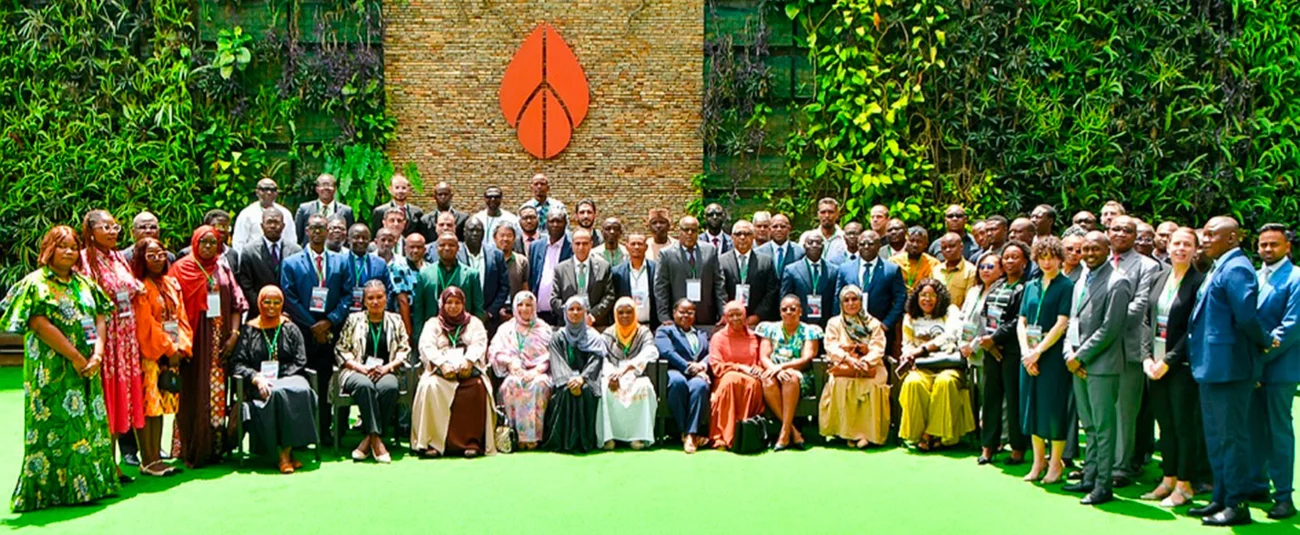
The African Development Bank Group has convened a workshop for 104 port statisticians and maritime stakeholders from across Africa under the African Ports Connectivity Portal Project (APC-PP).
Held in Abidjan from 23 to 27 March 2026, the five-day Data Validation and Capacity Building Workshop set out to validate data to be used in the project, and to strengthen capacity in aligning port performance measurement practices through the introduction of a harmonized set of Key Performance Indicators (KPIs) and the African Port Index.
Through interactive discussions and technical support, the workshop fostered knowledge exchange and built consensus on best practices for data management. It also marked a key milestone in the preparation of the African Port Data Book 2025 and the development of the African Port Index—two flagship outputs aimed at strengthening data-driven decision-making and improving the performance of Africa’s port sector.

The participants represented 38 port authorities from across the continent, including 21 from Port Management Association of West and Central Africa (PMAWCA), 12 from Port Management Association of Eastern and Southern Africa (PMAESA), and 5 from Union of Port Administrations of Northern Africa (UAPNA) In addition, five continental industry bodies were represented by six delegates, highlighting the broad engagement and collaboration across Africa’s maritime sector.
Advancing Harmonized Port Performance Indicators improves effectiveness
Sessions included project updates, presentation of collected datasets, and expert discussions on data collection challenges and the strategic value of port data and harmonizing key performance indicators.
The workshop also introduced the methodology of the African Port Index (API), presented preliminary results, and guided participants through the interpretation of performance metrics.
Early demonstrations of the API indicate that it has the potential to become a valuable analytical tool.
By aligning methodologies with international standards, including guidance from United Nations Conference on Trade and Development, the initiative is enhancing the comparability, reliability, and credibility of port data across the continent.
Reliable and harmonized port data is essential to improving competitiveness, attracting investment, and supporting evidence-based policy dialogue noted, Marco Yamaguchi, Manager of the Transport and Logistics Division at the African Development Bank. “Through the APC-PP, we are laying the foundation for a digital platform that will empower policymakers, port authorities, and investors with high-quality, comparable data,” he said.
In addition to data validation, the workshop provided hands-on technical sessions to enhance the capacity of port statisticians in data collection, analysis, and reporting. Participants also developed a shared understanding of the African Port Index methodology and its role as a tool for benchmarking performance and guiding investment decisions.
Following the workshop, the project will move into a critical implementation phase, which includes the finalization of the dataset; production of key analytical outputs; organization of an online unveiling session to present the Index results to participating ports and the implementation of a business sustainability study, to ensure the long-term viability of the platform.
About the African Ports Connectivity Portal Project (APC-PP)
The African Ports Connectivity Portal Project is a continent-wide initiative led by the African Development Bank Group to standardize and digitize port performance data across Africa. The project supports benchmarking, investment planning, and policy dialogue by providing harmonized indicators and centralized access to port statistics.
By improving transparency and standardizing performance metrics, the APC-PP contributes to strengthening Africa’s regional economic corridors, enhancing port efficiency, and supporting sustainable infrastructure development.
Source : AfDB