Alarm overload is undermining safety at sea as new research shows crews face tens of thousands of daily alerts
Analysis of more than 40 million alarm-related events
New research from Lloyd’s Register (LR) has revealed that excessive and nuisance shipboard alarm systems are routinely overwhelming crews and, in many cases, actively undermining safety at sea.
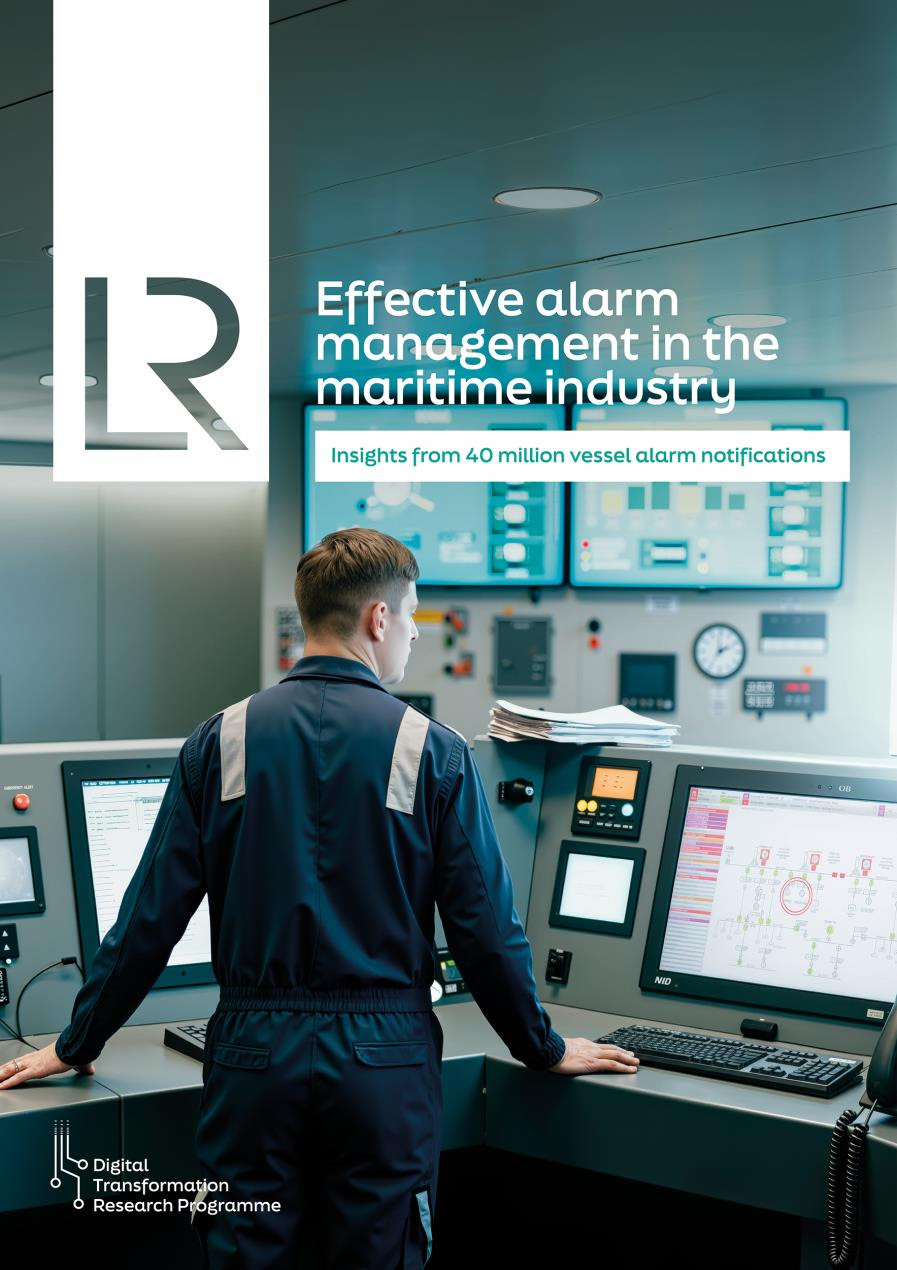
The findings, published today in Effective Alarm Management in the Maritime Industry are based on data collected from 11 operational vessels, spanning over 2,000 days and more than 40 million alarm-related events.

The study shows that many ships generate thousands of alarms every day, many of which provide little or no operational value. The result is widespread alarm fatigue, disrupted rest periods and a growing erosion of trust in systems that are intended to protect both crews and assets.
The research applied recognised industrial best practice, including IEC 62682 and EEMUA 191, to maritime operations for the first time at this scale. It found that fewer than half of the vessels studied met the recommended benchmark of fewer than 30 alarms per hour, while on ships with unattended machinery spaces alarms disrupted 63% of rest periods. In some cases, cruise ships experienced up to 2,600 alarms per day, with peak rates reaching 4,691 alarms in just ten minutes.
Crews, overwhelmed by the volume of alerts, are forced to silence alarms without acknowledgement or physically bypass alarm circuits, normalising unsafe practices and eroding trust in critical safety systems.
Effective Alarm Management in the Maritime Industry: Insights from 40 million vessel alarms builds on LR’s Effectiv
LR’s analysis also demonstrates that addressing the 10 most frequent alarms could reduce overall loads by nearly 40 per cent.
The report calls for greater adoption of objective alarm performance assessment, stronger consideration of human factors in system design and operation throughout the vessel lifecycle, and regulatory frameworks that support consistent, enforceable standards.
Duncan Duffy, LR’s Global Head of Technology, said: “Our research found that alarm systems, when poorly managed, have themselves become a safety risk. Without decisive industry action, alarm fatigue will continue to undermine situational awareness and increase the likelihood of serious incidents.
“If the maritime industry is serious about safety, it must commit to continuous performance measurement, objective evaluation, and a human-centred approach to alarm system design. Only then can alarm systems fulfil their intended purpose—supporting crews, safeguarding lives, and ensuring safer voyages for all.”
The research is part of LR’s Digital Transformation Research programme, specifically designed to provide in-depth analysis of key opportunities and challenges for maritime digitalisation.
For more information and to download the full report, visit: LR Alarm Management
About Lloyd’s Register
Trusted maritime and energy sector advisers, partnering with clients to drive performance across the ocean economy.
Lloyd’s Register (LR) is a global professional services group specialising in marine and offshore engineering, technology and digital solutions. We were created more than 260 years ago as the world’s first marine classification society to improve and set standards for the safety of ships.
Today we are a leading provider of classification and compliance services to the marine and offshore industries, helping our clients design, construct and operate their assets to accepted levels of safety and environmental compliance.
Our digital solutions are relied upon by more than 30,000 vessels, following the acquisition of OneOcean in 2022 and Ocean Technologies Group in 2024.
In the race to zero emissions, our research, advisory and technical expertise and industry-firsts are supporting a safe, sustainable maritime energy transition.
Lloyd’s Register Group is wholly owned by the Lloyd’s Register Foundation, a politically and financially independent global charity that promotes safety and education