
Ghana Backs Major Reforms to IMO’s Global Maritime Audit Scheme
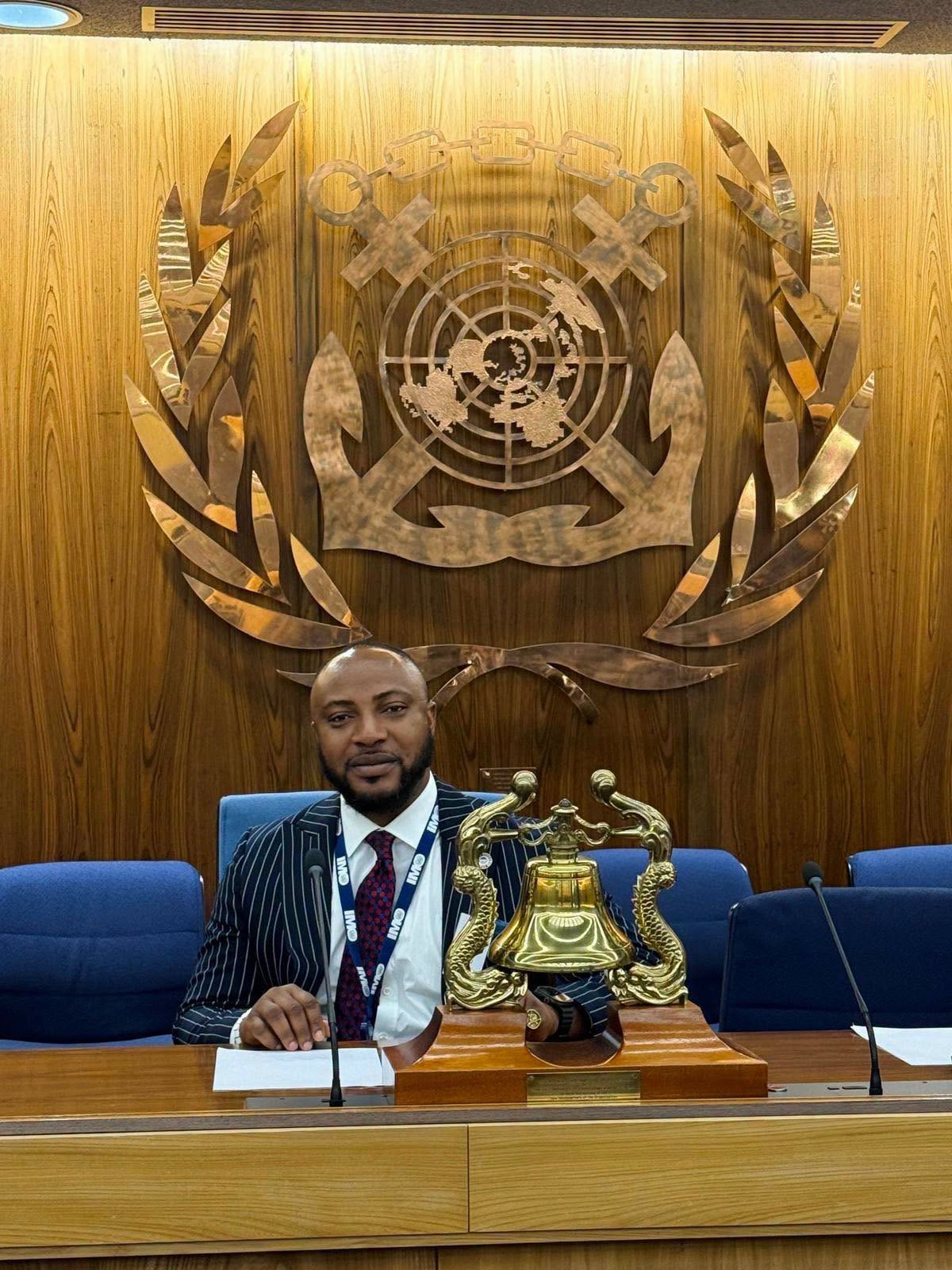 Ghana has thrown its full support behind major reforms that will ensure all 176 member nations of the International Maritime Organization (IMO) to undergo strict, mandatory safety checks every seven years. The move transforms what used to be a voluntary safety scheme into a legally binding treaty. The goal is to ensure every maritime nation uniformly enforces international shipping laws, creating a fair and safe playing field for global trade.
Under this newly established framework, all 175 IMO Member States, including Ghana, must undergo a rigorous, institutionalized audit once every seven years.
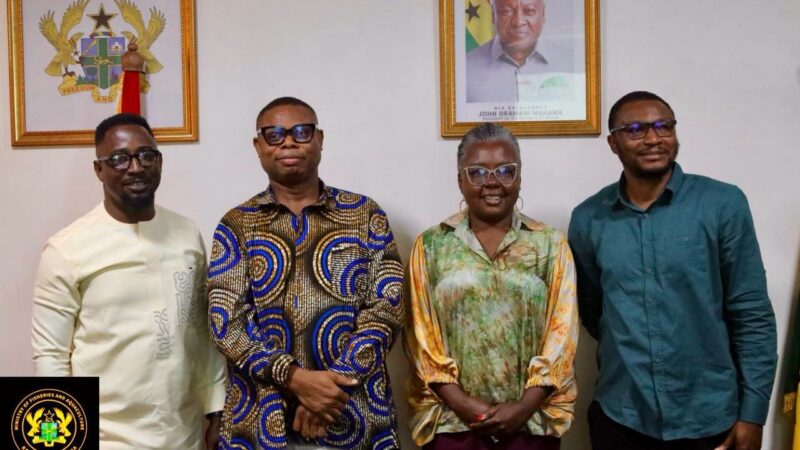
Speaking at the ongoing IMO Council session in London, Ghana’s Alternate Permanent Representative (APR), Dr Evans Ago Tetteh, praised the successful completion of the first round of audits. He noted that the process has drastically strengthened how countries manage their waters and elevated global safety compliance.
IMSAS

The International Member State Audit Scheme (IMSAS) was originally launched in 2016 to ensure that international maritime laws are effectively and uniformly enforced by countries worldwide.
In the past, because these safety checks were optional, enforcement varied wildly from country to country. By making them compulsory, the IMO aims to create a completely level playing field for global shipping, ensuring that no nation can cut corners on safety to gain an unfair economic advantage.
To ensure every nation is graded on the same scale, the IMO relies on a unified global standard known as the Instruments Implementation Code. This code essentially acts as a comprehensive report card assessing how well a country manages its maritime operations across four key areas.
First, it looks at a country’s overall strategy, evaluating its domestic laws and how its maritime institutions are structured. It further examines “Flag State” duties, which check how well a country monitors vessels registered under its own flag, including ship inspections and crew certifications. The framework similarly measures “Port State” duties by looking at how strictly a country inspects foreign ships docking in its waters to ensure they meet international safety laws. Finally, it assesses “Coastal State” duties, measuring vital safety infrastructure such as search-and-rescue capabilities, navigational aids, and sea-mapping services.
Digital Game-Changer
To modernise the next phase of audits, Ghana is backing a shift toward data-driven monitoring. Dr Tetteh labeled a proposed new continuous digital monitoring platform as a game-changer that will allow countries to catch safety gaps early and constantly improve, rather than just waiting for their seven-year review.
Ghana also endorsed a risk-based approach, which allows the international body to focus its resources on countries that struggled during previous checks.
Inclusivity
Beyond technology, Ghana called for a culture shift in maritime governance, urging member states to recruit more women and young professionals into the global pool of shipping audit experts. “Effective implementation cannot be achieved through audits alone. It demands sustained national commitment, resilient institutions, and a fierce determination to translate audit findings into meaningful, lasting improvements on the ground”, Dr Tetteh emphasised.
The Ghanaian delegation at the meeting also extended the nation’s deepest condolences to the people of Venezuela following a devastating earthquake that recently struck the South American country.
Source : GMA