GMA Steps Up Community Engagement to Curb Rising Offshore Incursions
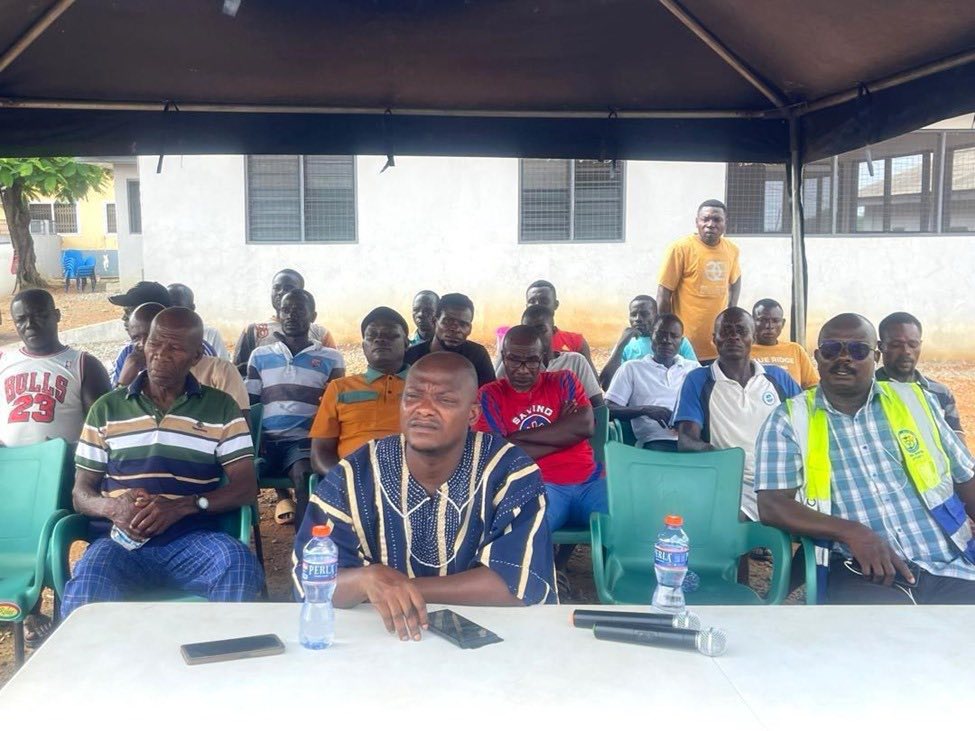
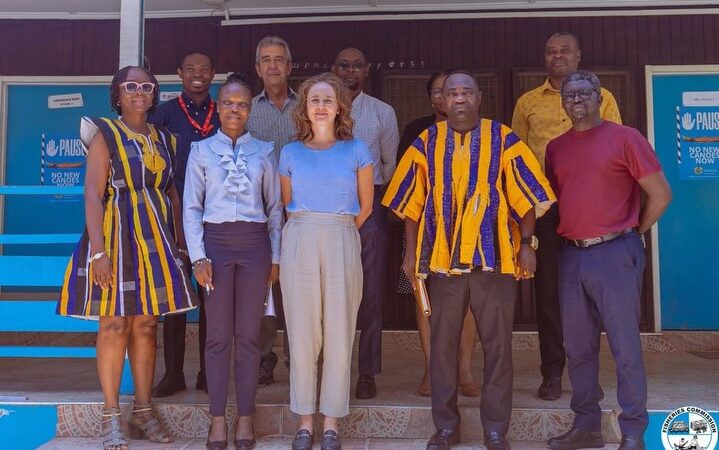
The Ghana Maritime Authority (GMA) has concluded a series of strategic community engagements in Lower Axim and Abuesi in Shama in the Western Regions, aimed at addressing a sharp rise in fishing incursions into Offshore Exclusive Zones.
Led by the Authority’s Monitoring and Evaluation (M&E) Unit, the outreach program, which spanned from December 16, 2025 through January 13, 2026, sought to mitigate escalating safety and security risks near Ghana’s critical oil installations. The sessions brought together chief fishermen, canoe owners, and local stakeholders to confront a worrying trend in maritime safety.
Incursions
According to officials of the GMA, unauthorized canoe incursions into exclusive zones surged from 27 cases in 2023 to 117 in 2024.
These activities, centered largely around facilities operated by Tullow Ghana and ENI Ghana, have significantly increased operational risks and costs, with industry impact estimates projected to reach approximately $6 million by 2025.

Under the Ghana Shipping (Protection of Offshore Installations and Assets) Regulations, 2012 (L.I. 2010), a 500-meter exclusion radius is mandated around all offshore facilities.
GMA officials warned that violating these protocols presents catastrophic dangers, including the risk of small vessels capsizing due to high-pressure water discharge from Floating, Production, Storage, and Offloading (FPSO) vessels.
Officials also highlighted the extreme fire hazards associated with fishing near gas-handling facilities, which threaten not only expensive equipment but the very lives and livelihoods of the fisherfolk.
Stakeholders
While the GMA underscored the legal and physical risks, the engagements also provided a candid platform for the fishing community to voice deep-seated grievances.
The stakeholders argued that the lack of visible physical demarcation at sea makes unintentional encroachment almost inevitable. They further noted a mismatch in enforcement, observing that while most incursions occur under the cover of night, enforcement agencies often intercept fishermen during the day.
A significant portion of the dialogue centered on the methods of fishing and the fairness of enforcement. Community members further pointed out that hook-and-line fishers are the most likely to drift into exclusive zones and suggested that sensitization should be specifically targeted toward them.
They were allegations regarding the conduct of some security personnel, with fishers reporting harassment, the destruction of fishing gears, and the maltreatment of suspected offenders.
Beyond immediate safety concerns, the fisherfolk raised broader systemic issues, including a perceived lack of social support from the oil companies.
They also cited inadequate scholarship opportunities from Tullow and its affiliates as a failure to help offset the rising educational expenses of children near the operations areas hosting the offshore facilities.
Solutions
To address the root of the friction, stakeholders proposed a more robust identification system for canoes, modeled after neighboring jurisdictions.
They argued that a proper boat identification system would allow authorities to deal with perpetrators at the shore once they land their catch, preventing the need for volatile confrontations at sea.
The community also questioned the deterrent effect of current enforcement measures, noting that they could not point to any specific individuals who had been successfully prosecuted or arrested for these crimes. This lack of visible justice, they argued, undermines the GMA’s efforts to curb illegal activities.
GMA
The GMA team emphasized its commitment to improving inter-agency coordination to ensure that enforcement is fair, transparent, and consistent.
Officials also assured the communities that their feedback is valued and that mechanisms for improved case management and redress for harassment would be prioritized.
Source : GMA