
NaFAA Assures Commitment to Co-Management Agreement with Coastal Communities, Pledges to Strengthen Fisheries Sector
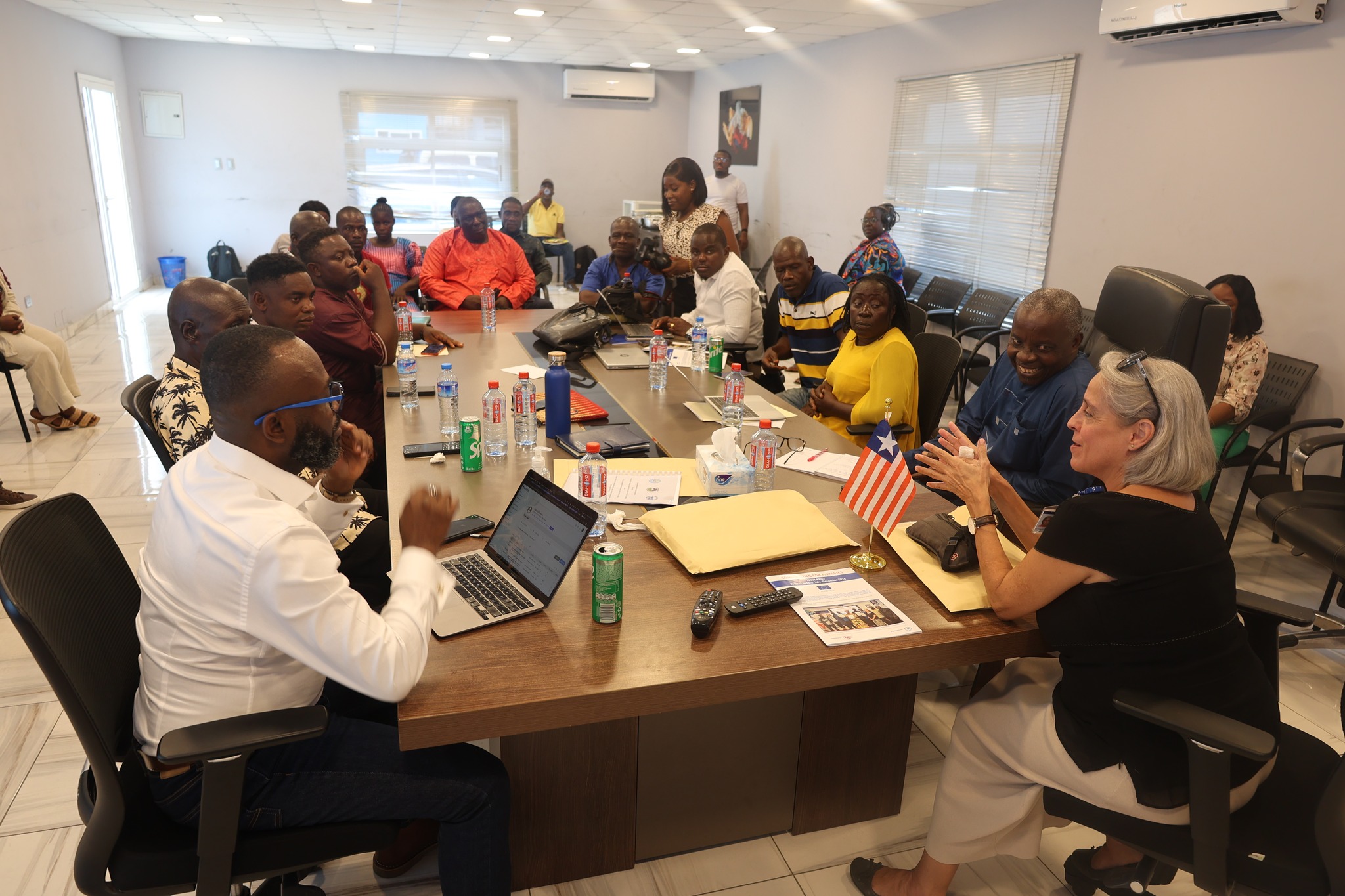
The Acting Director General of the National Fisheries and Aquaculture Authority (NaFAA), Mr. J. Cyrus Saygbe Sr., reaffirmed the authority’s commitment to the Core Management Associations (CMA) established in Liberia’s coastal counties, including Grand Cape Mount, Montserrado, Margibi, Bassa, and Grand Kru. This reassurance comes in light of the longstanding partnership between NaFAA and these local communities, focused on the management and protection of Liberia’s fisheries resources.
Fisheries co-management is an innovative approach that brings together local users and beneficiaries of aquatic resources, including small-scale fishers, traders, processors, and consumers, alongside the government. The goal of this partnership is to ensure the economic, social, and environmental sustainability of Liberia’s fisheries sector and the livelihoods that depend on it. At the community level, co-management is typically facilitated through committees that represent all stakeholders, including men and women fishers, traders, consumers, and local authorities. A central feature of this model is the open flow of information between community groups and the government, fostering collaboration in the management of fishery resources.
NaFAA Reaffirms Support for CMAs

In his remarks during the initial steering committee meeting, which was facilitated by the Environmental Justice Foundation (EJF), Mr. Saygbe assured the members of the CMAs that NaFAA remains committed to honoring the agreements made with coastal communities. “NaFAA will work closely with all the CMAs to implement the existing agreements with local fisheries authorities in the coastal communities,” he said.
The commitment of NaFAA, as outlined by Mr. Saygbe, includes the provision of 30% of the resources collected from the sea, which had previously been a point of concern for the CMAs. This percentage is crucial for enhancing the operations of coastal dwellers and supporting sustainable fishing practices.
“We recognize the challenges faced by coastal communities and are dedicated to improving the fisheries sector for the benefit of all stakeholders,” Mr. Saygbe stated. “NaFAA’s management is fully committed to providing the necessary support and creating a conducive working environment that will strengthen collaboration with local communities.”
Strengthening Co-Management in Margibi County
The Country Manager of the Environmental Justice Foundation (EJF) EU-funded project, Mr. Cephus Asare, also highlighted the ongoing efforts to further strengthen the CMA system. In particular, he discussed EJF’s work in Margibi County, where efforts are underway to organize an election for a new CMA leadership among fishermen, fishmongers, and other coastal community members.
Mr. Asare emphasized the role of EJF in facilitating the creation of functional CMAs across Liberia, noting that such initiatives have already been successfully implemented in four counties. These CMAs are actively involved in various community development activities, including Village Saving Loan schemes, which provide livelihood support for members.
“We are excited about the progress we’ve made in Margibi and other counties, where CMAs are not only enhancing the sustainable management of fisheries but also improving the livelihoods of community members through financial initiatives,” Mr. Asare said.
Commitment to Sustainability and Collaboration
The continued collaboration between NaFAA, EJF, and the CMAs is essential to the long-term sustainability of Liberia’s fisheries resources. As the sector faces growing challenges from overfishing, climate change, and environmental degradation, the role of the CMAs in ensuring effective resource management has never been more important.
NaFAA’s commitment to strengthening partnerships with coastal communities will play a critical role in addressing these challenges while providing opportunities for local economic growth and environmental stewardship.
Source : NaFAA