
South Africa – Chikunga calls for maritime skills revolution to open ocean economy to women
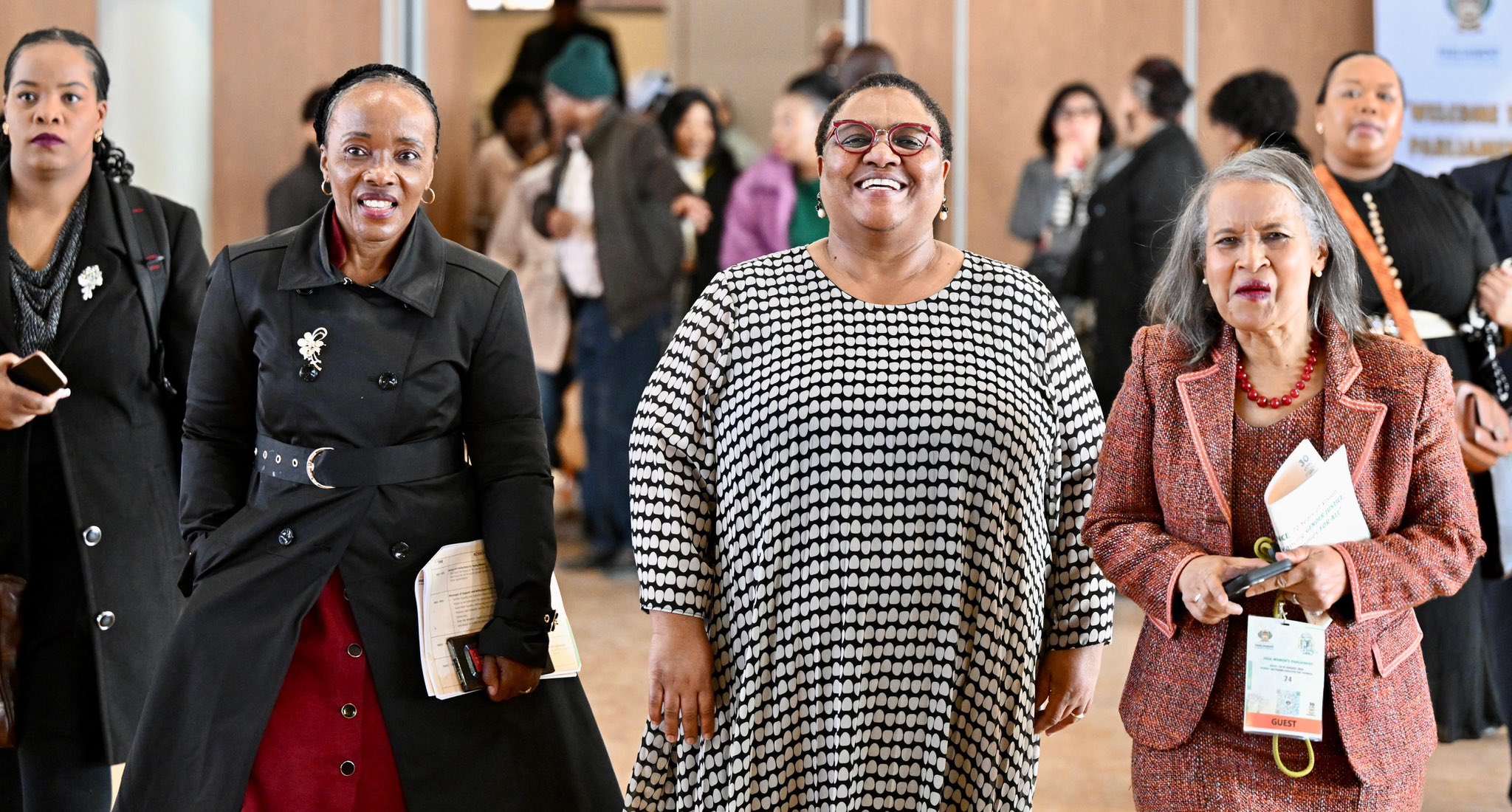
South Africa’s vast ocean economy cannot reach its full potential while women remain largely on the margins, Minister in the Presidency for Women, Youth and Persons with Disabilities Sindisiwe Chikunga has warned.
As the country marks 70 years since the historic 1956 Women’s March, Chikunga has called for a “maritime skills revolution” to break down the cultural, structural and occupational barriers that continue to make the maritime sector inaccessible and unattractive to South African women.
Delivering a message of support at the National Women’s Month Commemoration hosted by Parliament at Sol Plaatje University in Kimberley, Northern Cape, on Thursday, Chikunga placed the ocean economy at the centre of efforts to build resilient and inclusive economies.
She described the ocean as a vast source of economic potential that remains largely untapped and overwhelmingly male-dominated.

Findings from the first Maritime Skills Summit showed that men account for 71.5% of people employed in the maritime sector, while 54% of workers are between the ages of 35 and 55.
For Chikunga, changing this picture requires more than opening doors – women, particularly black women, must be deliberately prioritised across the ocean economy.
“Black women will not merely take centre stage in this sector; they will have to be prioritised. Far-reaching change is needed, not only within the maritime sector but within society as a whole, to create the conditions in which women can participate meaningfully across every value chain in the ocean economy,” Chikunga said.
She called for a skills revolution across high-potential areas, including fisheries and aquaculture, offshore oil and gas, marine biotechnology, and coastal and marine tourism.
Chikunga warned that the economic promise of these sectors would remain out of reach if South Africa failed to develop the skills needed to unlock them locally.
“None of these will serve us if the skills that unlock them sit outside our borders. We cannot repeat the pattern this continent knows too well, where the discovery of a resource brings exploitation and sometimes violence, and leaves the people living above that resource poorer than they were before,” she said.
The Minister stressed that skills development and women’s empowerment must be built into every stage of the country’s ocean economy plans – from planning and implementation to monitoring and evaluation – rather than being treated as an afterthought.
“Skills development and women’s empowerment must be built into the planning, the implementation, and the monitoring and evaluation of how we industrialise and beneficiate the resources of our oceans. To break the cycle of a rich Africa with poor Africans, we need a sector-specific skills revolution that meets the current and future needs of this economy,” she said.
More work needed to ensure women benefit meaningfully
The commemoration was held under the theme, “70 Years of Resistance, 72 Years of Vision – Advancing Gender Justice, Equality and Resilient Economies for All”.
The event comes as South Africa undertakes its Milestones of Freedom campaign, which is a year-long programme launched by President Cyril Ramaphosa on 18 June 2026. Held under the theme, “Honouring the Past. Delivering the Future”, the initiative commemorates pivotal historical anniversaries in the nation’s journey to democracy, while driving community service delivery and social cohesion.
Chikunga said South Africa has made significant strides since the women of 1956 marched for their rights, but warned that the struggle for meaningful economic participation was far from over.
She said the country’s challenge now is to ensure that the rights and opportunities secured through decades of struggle translate into tangible participation, ownership and leadership for women across all sectors of the economy.
“Our task is smaller than theirs. The laws are written. The doors of learning and culture are largely open. What remains is to walk our daughters through them – into the mines, into the ports, into the courts, and into this House – and to stay there until it is ordinary,” Chikunga said. – SAnews.gov.za