The Port Autonome de Cotonou Unveils Its New Visual Identity
By Fulgence ZINSOU
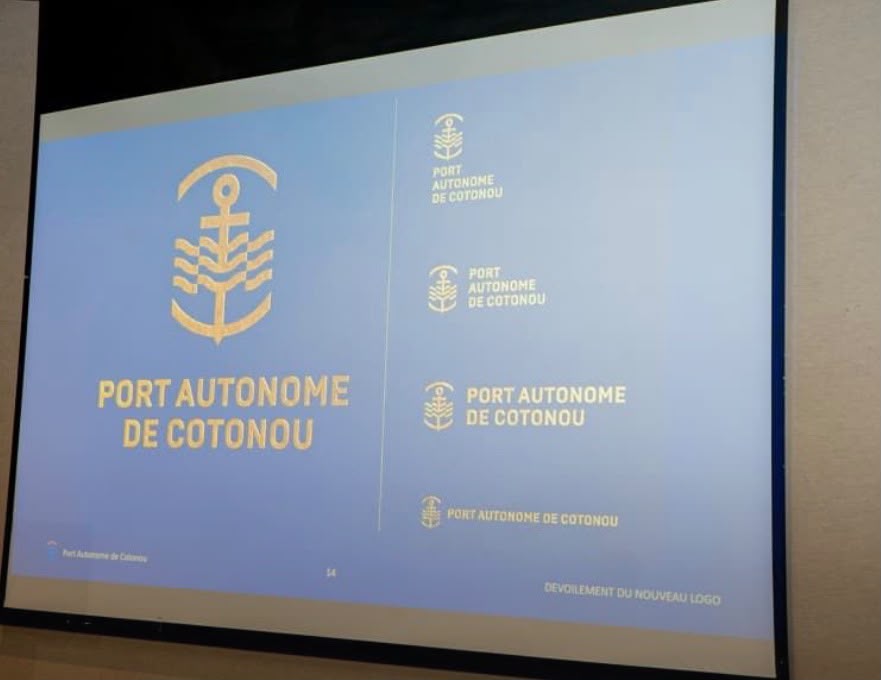
 The Port Autonome de Cotonou officially unveiled its new visual identity during a ceremony held on Friday, June 19, 2026, at the Novotel in Cotonou. This event, marking an important milestone in the institution’s history, brought together numerous figures from the political, diplomatic, and port sectors.
The ceremony took place in the presence of the Minister of Living Environment and Transport, in charge of Sustainable Development, the Director General of the Port Autonome de Cotonou, representatives of the diplomatic corps, as well as stakeholders from the port and logistics community.
Through this new visual identity, the Port Autonome de Cotonou reaffirms its ambition to strengthen its position as a leading logistics platform in West Africa. More than just a logo change, this transformation reflects a profound evolution of the institution, which is engaged in a broad program to modernize its infrastructure, services, and governance.

Speaking on the occasion, various officials emphasized the strategic importance of the Port of Cotonou for both the national and regional economy. They also commended the reforms undertaken to improve the competitiveness of the port platform and meet the growing demands of international trade.
The new logo, unveiled before the audience, is intended to reflect a modern, dynamic institution focused on the future. It is accompanied by the brand signature “Your Committed Partner,” which conveys the Port Autonome de Cotonou’s desire to strengthen its closeness with its partners, clients, and the communities it serves.
This new identity comes as an extension of the celebrations marking the 60th anniversary of the Port Autonome de Cotonou. It symbolizes the continuity of an essential mission serving the economic development of Benin, while opening a new chapter in its history.
With this transformation, the Port Autonome de Cotonou reaffirms its commitment to continuing its modernization and strengthening its role as a driver of trade and sub-regional economic integration.