8 Nigerian Women in Maritime Security: CEOs, Strategists and Operational Leaders

Interview conducted by Carlos Kpodiefin
In the Gulf of Guinea, one of the world’s most challenging maritime security environments, a quiet revolution is underway. Eight Nigerian women have built careers, earned their place at the table, and are now leading operations — as founders, executives, and specialists — where vessels, crews, and critical offshore assets depend on their decisions.
On the occasion of the International Day for Women in Maritime, the Her Maritime campaign — initiated by Maritimafrica Associated — gives them the floor. Their paths are different. Their voices are clear. One message runs through all of them: competence has no gender, but the barriers are real — and they are breaking them anyway.

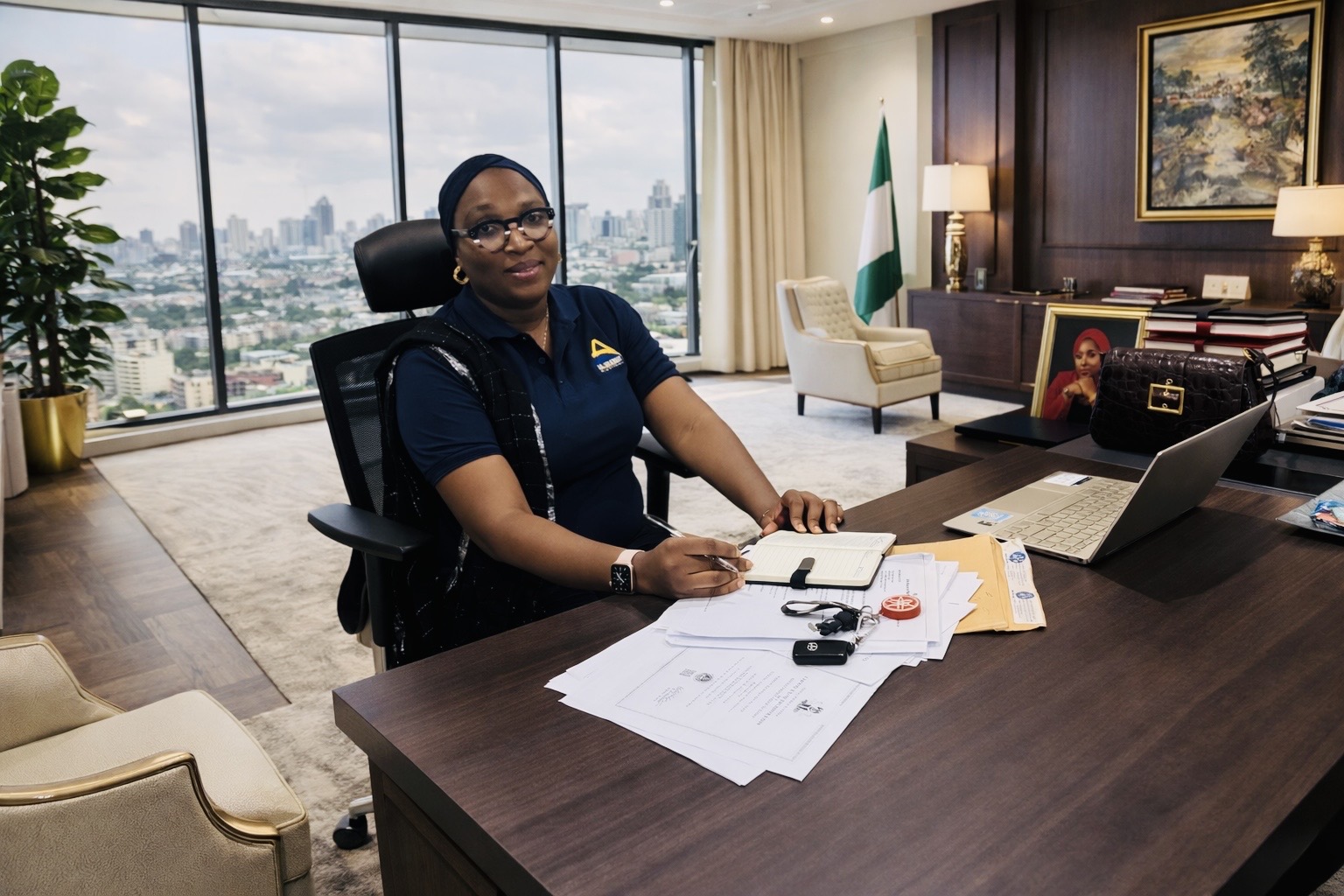
Mrs. Bilkisu Lawal-Akinbola
1. Please introduce yourself and your company in a few lines
 My name is Bilkisu Lawal-Akinbola (Mrs.). I am a maritime professional and the Chief Operating Officer and founder of AA Secure Platforms, a fully Nigerian-owned company established under the CAC Act. The company was born not just out of ambition but from lived experience and a strong conviction that maritime security in our region can be delivered more efficiently.
My journey within the maritime and offshore space exposed me to the realities of operating in high-risk and often unpredictable environments, where I witnessed firsthand the vulnerabilities operators face and the consequences of gaps in planning, coordination, and execution. These experiences shaped my perspective and ultimately inspired me to build a company focused on delivering reliable, intelligent, and locally grounded security solutions.
At AA Secure Platforms, we provide tailored maritime security and support services designed to protect assets, ensure regulatory compliance, and enable safe and efficient operations across Nigeria and the Gulf of Guinea. For us, it is not just about providing security, it is about building trust, delivering assurance, and becoming a dependable partner in our clients’ operations.
2. What has been your career path leading to creating your own maritime security company? Was there a defining moment?
My professional journey did not begin in maritime, as I had an earlier stint in the financial sector, which provided me with a strong foundation in structure, discipline, and business operations. However, my transition into the maritime industry marked a significant turning point in my career.
I started from an entry-level role as an executive assistant, but that position quickly became a gateway into the core of maritime operations. I worked closely with vessel operations, business development, compliance processes, offshore logistics, and key industry stakeholders, which allowed me to observe, learn, and gradually build both technical competence and operational insight.
Over time, I developed a deeper understanding not only of how the industry functions but also of where it faces
challenges, particularly in managing risk effectively. The defining moment came when I realized that many of these risks were not entirely unavoidable but were often the result of gaps in coordination, planning, and execution. There was a clear disconnect between global best practices and what was being implemented locally.
At that point, I knew I did not want to remain within the system alone. I wanted to contribute to improving it by building something that would raise standards, deliver efficiency, and provide solutions that are both globally aligned and locally relevant.
3. What has been your biggest challenge as a founder and how did you overcome it?
One of the biggest challenges I have faced as a founder has been building trust and credibility in an industry where reputation and perception carry significant weight and where leadership is still largely male-dominated.
There are moments when you walk into a room and sense doubt, not necessarily because of your competence but because of expectations. I chose to approach this challenge with focus and intention by committing to competence, consistency, and professionalism in everything we do.
I ensured that every engagement, regardless of size, was executed with excellence while also prioritizing the development of strong partnerships with stakeholders who value quality and integrity. Over time, I came to understand that credibility is not claimed but earned, and for me, results became my voice. Consistent delivery, attention to detail, and a strong reputation for reliability have helped build trust and gradually shift perceptions.
 4. What key services do you offer, and which are most in demand today?
At AA Secure Platforms, we provide a comprehensive suite of services including vessel escort and protection, offshore logistics support, offshore asset security, security risk assessments, and regulatory advisory services.
The industry is evolving, and clients are increasingly seeking more than standalone services. There is a growing demand for integrated solutions that combine physical security with intelligence, planning, compliance, and operational efficiency.
Vessel escort services and armed guard embarkation continue to be in high demand, particularly given the historical security concerns in the Gulf of Guinea, even though there has been a noticeable reduction in incidents. Clients today value providers who can anticipate risks, think strategically, and deliver proactive solutions rather than reactive responses.
5. Who are your typical clients or partners, and what value do they gain?
Our clients include shipping companies, oil and gas operators, offshore service providers, and logistics firms operating within Nigerian waters and across the Gulf of Guinea.
What they gain from working with us goes beyond security services or logistics support, as we provide assurance and reliability. We understand the environment they operate in, the risks they face, and the importance of maintaining uninterrupted operations.
We position ourselves as a strategic partner rather than just a service provider, ensuring that our clients can operate confidently, remain compliant, and achieve their objectives without disruption.
6. How do you navigate leadership as a woman in a male-dominated industry?
For me, leadership has never been about proving a point but about delivering value and creating impact.
I lead with clarity, discipline, and a strong sense of purpose, understanding that in an industry like maritime, consistency and results naturally earn respect over time. I focus on building capable teams, setting clear expectations, and maintaining high standards across all operations.
I also believe in leading by example through resilience, professionalism, and accountability. Ultimately, leadership is defined by effectiveness and influence, not by gender.
7. Have you faced gender-specific barriers? How did you address them?
I have experienced gender-specific barriers, some of which are subtle while others are more direct. There are instances where assumptions are made before you even have the opportunity to present your ideas or demonstrate your capabilities.
Rather than internalizing these experiences, I chose to approach them with preparation and confidence. I focus on being knowledgeable, articulate, and solution-oriented in every engagement.
I also place strong importance on visibility by actively participating in conversations and positioning myself in spaces where decisions are made. Over time, I have found that competence challenges bias, and consistent value delivery gradually shifts perceptions.
8. Do you see progress in gender inclusion? What still needs to change?
There has been noticeable progress in gender inclusion within the maritime sector, with more women entering the industry, taking on technical roles, and stepping into leadership positions.
However, there is still a need for stronger support systems, including mentorship opportunities, improved access to funding, and intentional inclusion in leadership pipelines. Inclusion should go beyond representation and extend to empowerment and influence.
I would also like to acknowledge organizations such as Women International Shipping and Trade Association (WISTA International) Nigeria and Women in Maritime Africa (WIMA) which continue to play a vital role in advocating for women and creating platforms that amplify female voices within the maritime industry.
9. What are the most pressing maritime security challenges in Nigeria and the Gulf of Guinea?
The Gulf of Guinea continues to face challenges such as piracy, armed robbery at sea, regulatory inconsistencies, and enforcement gaps. While there has been measurable improvement in recent years, these issues have not been completely eliminated.
A key priority remains improving coordination among stakeholders while also increasing the adoption of intelligence-led and technology-driven security approaches.
There are encouraging signs of progress, particularly through the efforts of key stakeholders such as the Nigerian Navy and Nigeria Maritime Administration and Safety Agency (NIMASA), who are working towards strengthening maritime security frameworks. Sustaining this progress will require continued collaboration, investment, and long-term commitment from both public and private sectors.
10. What advice would you give to young African women who want to launch a business in maritime security?
My advice is to start with knowledge, as understanding the industry, its regulations, and its operational realities provides a strong foundation for success.
Take the time to build competence and gain relevant experience, as this is an industry where depth of understanding is critical. Challenges will arise, but they should not define your limits.
It is important to surround yourself with the right people, seek mentorship, and remain consistent in your efforts. Most importantly, do not wait for permission to lead. There is space for you not only to participate but also to influence, innovate, and shape the future of the maritime industry in Africa.
Mrs. Akpan Blessing Aniedi
1.Can you introduce yourself and describe your current role within your organization?

 My name is Akpan Blessing Aniedi, and I am the Chief Operating Officer at Frebloom Marine Solutions Limited. In this capacity, I am responsible for developing and executing our company’s business strategies to achieve the goals set by our board and shareholders. My role involves overseeing the company’s financial performance, managing operational costs, and ensuring seamless coordination across all our units to maintain service reliability while driving sustainable growth in Nigeria’s maritime and oil and gas sectors. I also act as a strategic advisor to the board, providing an accurate view of our current operations and future direction.
2. What has been your career path leading to your current position? Was there a defining moment that shaped your ambition in this field?
My career began with hands on maritime engineering training, followed by progressive roles in operations and business development. Over time, I cultivated expertise in logistics, procurement, and maritime security. A defining moment was my early experience coordinating crew welfare and safety initiatives, which revealed the critical importance of operational efficiency and security in maritime services. That experience shaped my ambition to lead in this sector and ultimately prepared me for executive leadership.
3. What are your main responsibilities in managing operations or strategy?
As COO my primary responsibilities are but not limited to the following:
- Developing and executing business strategies aligned with board goals.
- Overseeing operational efficiency across all units.
- Managing financial performance, investments, and cost optimization.
- Ensuring compliance with international maritime regulations.
- Leading teams with clear guidance, motivation, and accountability structures.
4. What are the key services your company provides, and what are your main areas of expertise?
Frebloom Marine Solutions specializes in:
- Offshore Support Vessels: Including Security Escort Vessels (SEVs), tug boats, crew boats, and barges
- Maritime Security Services: Such as providing highly trained armed guards for client vessels in Nigerian territorial waters to protect against piracy and armed robbery and stowaway searches for client vessels
- Procurement and ship chandelling: such as supplying provisions, equipment and general procurement.
My expertise lies in operations management, business development, and strategic planning, ensuring these services are delivered efficiently and safely.
5. What makes your company unique or competitive in the maritime security sector?

Our competitive edge comes from a combination of deep local expertise and a strict commitment to international standards guidelines. We are a stakeholder centric organization that prioritizes transparent communication and measurable results. By leveraging cutting-edge technology and a “safety first” philosophy, we offer tailored solutions that minimize downtime while maximizing security for our clients’ assets and personnel.
6. How do you navigate leadership and assert authority as a woman managing teams in a traditionally male-dominated maritime security environment?
Navigating leadership in a male-dominated industry requires confidence, competence, and consistency. I assert authority by demonstrating expertise, making data-driven decisions, and fostering collaboration. I also emphasize respect and inclusivity, ensuring that my leadership style empowers both men and women to perform at their best.
7. Have you faced gender specific barriers on your way to your current role? How did you overcome them?
In the Maritime and Oil & Gas sector, barriers often come in the form of traditional expectations. Yes, I have faced skepticism and bias as a woman in Maritime sector. I overcame these barriers by consistently proving my capabilities, delivering measurable results, and building credibility through professionalism and resilience. Achievements such as revenue growth and operational efficiency improvements helped establish my authority.
8. Do you see progress in gender inclusion in the sector? What still needs to change?

 There is visible progress as more women take on strategic, administrative, security and operational leadership roles. However, there is still a need for more mentorship programs specifically tailored to women in maritime. Increasing representation in executive leadership. We need to continue breaking stereotypes of viewing maritime sector as a purely male domain and recognize the critical value of strategic planning, risk assessment, and operational logistics where women are excelling.
9. From your perspective, what are the biggest maritime security challenges in Nigeria and the Gulf of Guinea today?
Over the years, the primary challenges in maritime security remain piracy, armed robbery, and unlawful acts at sea which threaten crew safety and cargo integrity, Additionally, navigating the complexities of regulatory compliance while maintaining operational efficiency is a constant challenge for many operators. Addressing these challenges requires collaboration between private companies, governments, and international agencies.
10. What advice would you give to young African women who want to build a career in maritime security?
My advice is to young women who wish to build a career in the maritime sector is to invest in education and training in maritime law, security, and logistics knowledge are critical. Seek mentorship from experienced professionals. Be resilient and confident, competence will always speak louder than bias. Focus on innovation and sustainability, as these are the future drivers of maritime success. Last but not the least be patient, it doesn’t matter the number of “NO” you receive don’t give up, your “YES” will come one day and when it comes it will all be worth it.
Mrs. Elizabeth Onyékachi Umekwe-Edevwie
1. Can you introduce yourself and describe your current role within your organization?
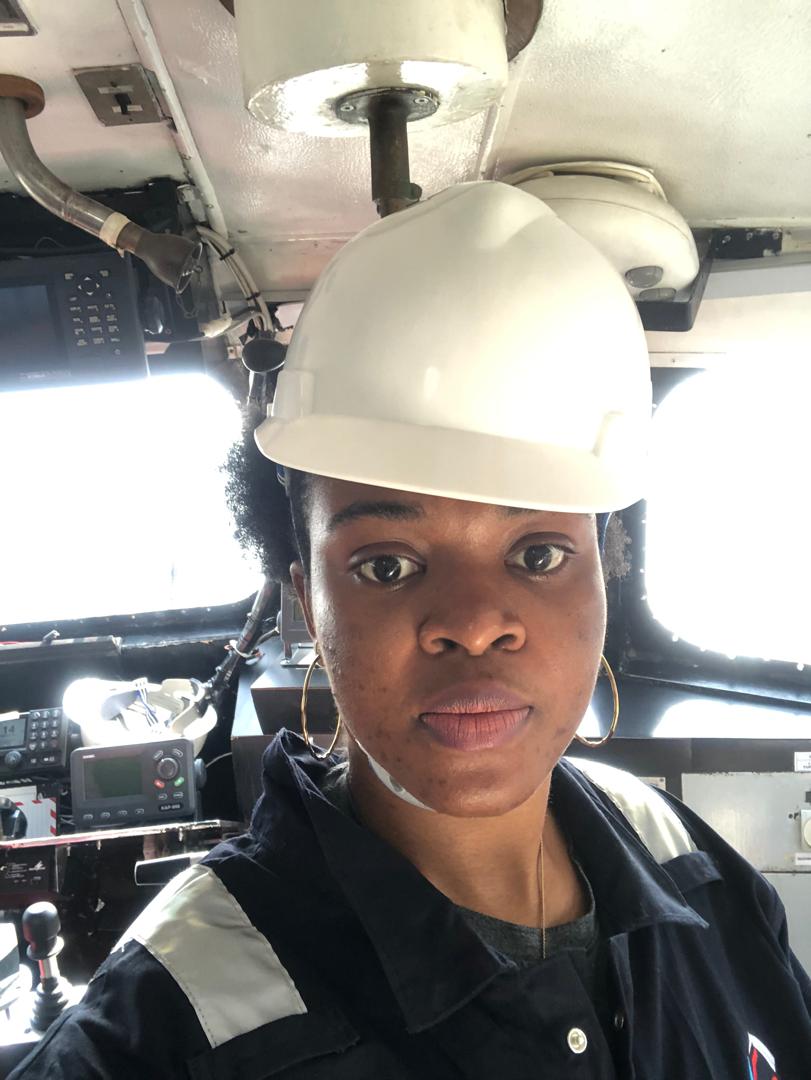
 My name is Elizabeth Onyékachi Umekwe-Edevwie, and I serve as the Assistant General Manager for Business Development, Chartering, and Operations at an offshore marine and logistics company in Nigeria.
I oversee vessel operations, chartering, and strategic execution, working closely with clients, vessel owners, and security agencies to ensure safe, compliant, and efficient offshore operations.
2. What has been your career path leading to your current position? Was there a defining moment that shaped your ambition in this field?
I started in business development but quickly transitioned into vessel operations and offshore logistics, gaining firsthand exposure to maritime security.
A defining moment was working on offshore deployments involving the Nigerian Navy and international clients across multiple time zones. It showed me that success depends not just on logistics, but on security intelligence, regulatory compliance, and disciplined execution. That experience shaped my transition into operational leadership.
3. What are your main responsibilities in managing operations or strategy?
I manage both operations and strategy. Operationally, I ensure vessel readiness, documentation, crew coordination, and security clearances. Strategically, I lead tendering, contract negotiations, and partnerships, ensuring efficient execution and sustained business growth.
4. What are the key services your company provides, and what are your main areas of expertise?
 We provide vessel chartering, marine logistics, offshore operational support, and maritime security coordination, alongside regulatory compliance services. My expertise lies in vessel chartering, logistics coordination, operational management, and compliance, all critical to secure and efficient offshore operations.
5. What makes your company unique or competitive in the maritime security sector?
Our strength is our ability to integrate operations, logistics, and security seamlessly. We ensure vessels are not just available, but fully compliant, security-cleared, and operationally ready. Strong relationships with regulators and security agencies also give us a distinct execution advantage.
6. How do you navigate leadership and assert authority as a woman managing teams in a traditionally male-dominated maritime security environment?
I lead with competence, clarity, and consistency. In this industry, technical knowledge and decisiveness earn respect quickly. I focus on understanding the details, making informed decisions, and delivering results because ultimately, performance builds credibility.
7. Have you faced gender-specific barriers on your way to your current role? How did you overcome them?
 Yes, there were moments of being underestimated or overlooked. I addressed this by consistently delivering results and strengthening my technical expertise. Over time, competence and performance helped shift perception and establish credibility.
8. Do you see progress in gender inclusion in the sector? What still needs to change?
There is clear progress, with more women entering operational and leadership roles. However, we need more intentional inclusion in technical roles, stronger mentorship structures, and greater representation in decision-making positions.
9. From your perspective, what are the biggest maritime security challenges in Nigeria and the Gulf of Guinea today?
Key challenges include piracy risks, oil theft, regulatory complexities, and high security costs. Addressing them requires stronger collaboration, improved surveillance technology, and better coordination between public and private stakeholders.
10. What advice would you give to young African women who want to build a career in maritime security?
Build competence, confidence, and resilience.
Be willing to learn, gain practical exposure, and develop both technical and business skills. Most importantly, don’t limit yourself, there is space for women not just to participate, but to lead in this industry.
Mrs. Esther OIBO
1. Can you introduce yourself and describe your current role within your organization?
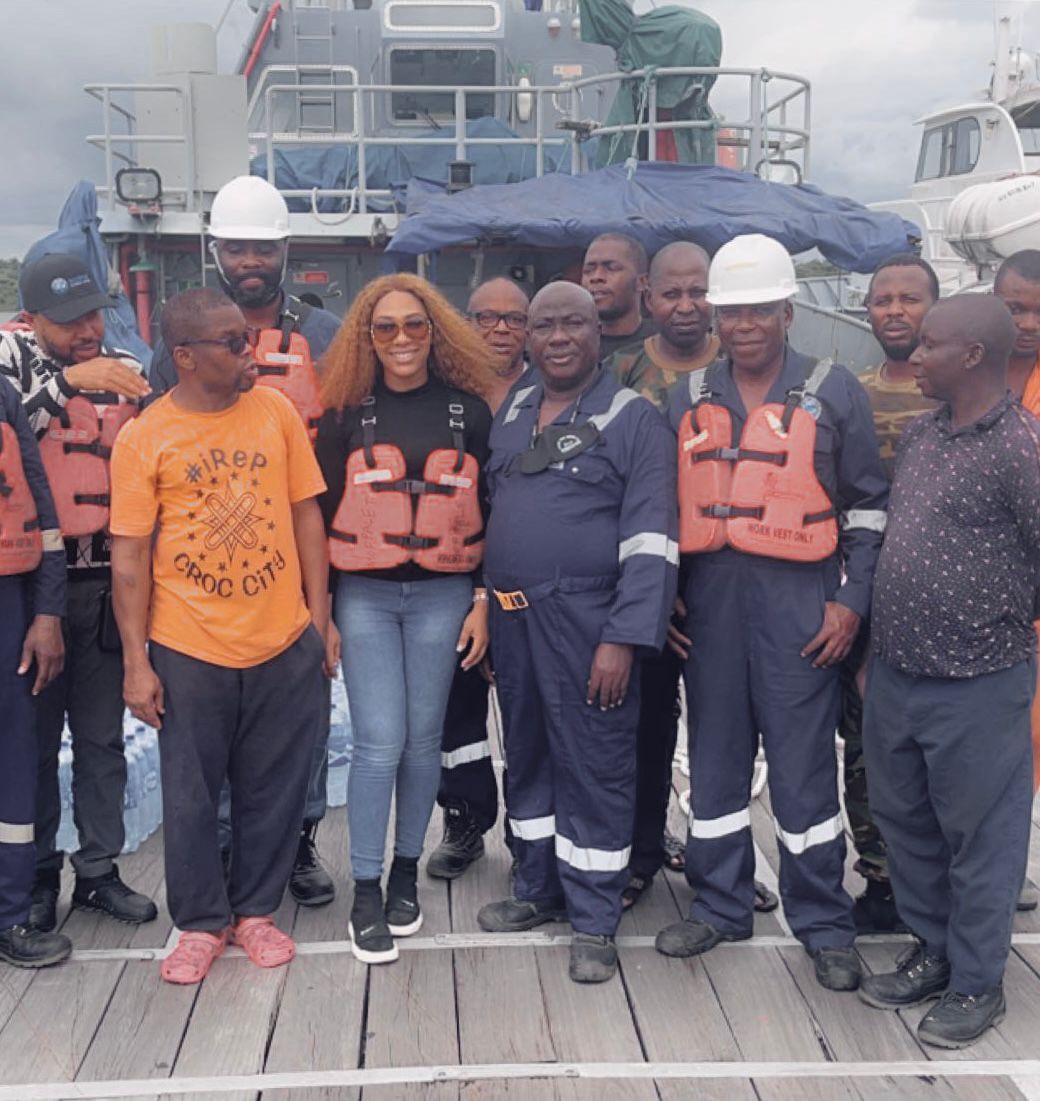
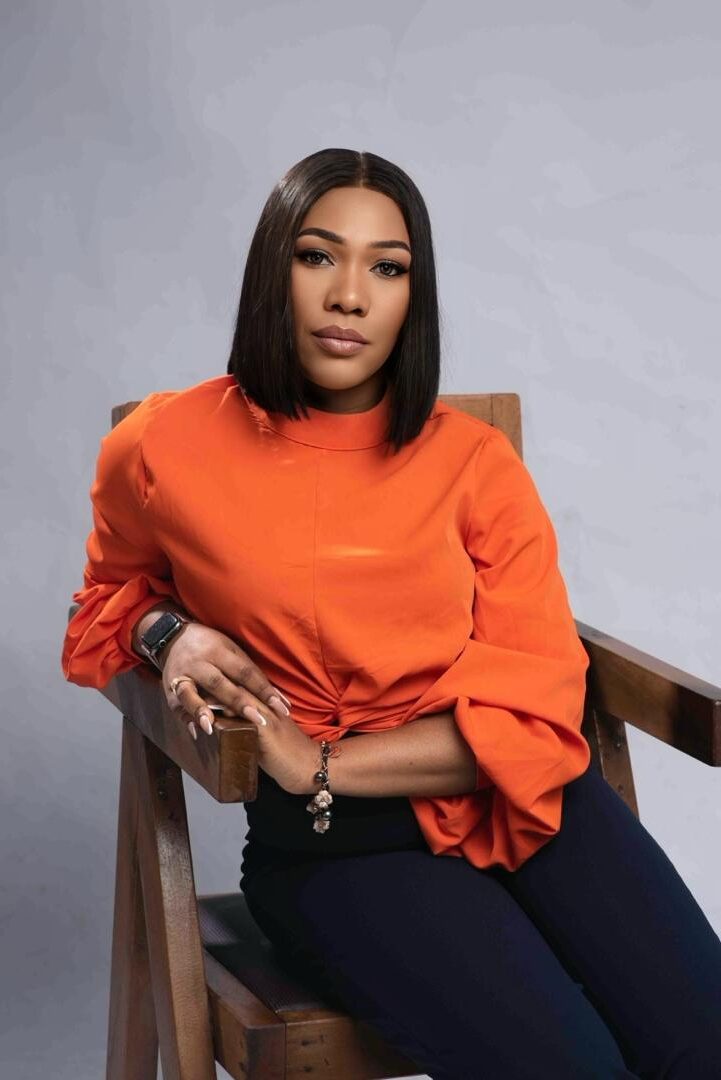
 I serve as the Managing Director and Chief Operating Officer of FleetFence Limited, a maritime security and logistics company operating within Nigeria.
In this capacity, I lead both strategic direction and operational execution, ensuring that our security vessels, crew transfer vessels, and client engagements are aligned with evolving maritime risk dynamics. My role sits at the intersection of commercial growth, operational resilience, and regulatory compliance.
2. What has been your career path leading to your current position? Was there a defining moment that shaped your ambition in this field?
My career trajectory has been deliberately built at the convergence of maritime operations, security, and logistics management.
I didn’t arrive here by accident; the Nigerian Maritime sector demands technical credibility and operational toughness. The defining moment was recognizing that maritime security in the Gulf of Guinea region is a strategic control point for economic stability. That realization shifted my ambition from participation to influence and leadership.
3. What are your main responsibilities in managing operations or strategy?
My focus is threefold:
Operational Oversight
- End-to-end delivery of maritime security tasks
- Coordination of offshore/onshore logistics
- Vessel deployment and risk management
Strategic Leadership
- Market positioning and business expansion
- Stakeholder engagement (government, clients, partners)
- Long-term capability development
Governance & Compliance
- Alignment with international, regional and national maritime regulations and government security frameworks
- Internal controls and accountability systems
- Execution is everything in this industry.
4. What are the key services your company provides, and what are your main areas of expertise?
FleetFence operates across critical maritime security and logistics verticals:
- Maritime Security Operations: Escort services, LNAG (armed guards’) embarkation, and offshore security surveillance
- Logistics & Supply Chain Support: Vessel support, offshore provisioning, crew transfers and movement coordination
- Risk Assessment & Intelligence: Threat analysis, route planning, incident mitigation
- Security Advisory: Compliance guidance and operational risk frameworks
5. What makes your company unique or competitive in the maritime security sector?
What differentiates FleetFence is straightforward:
- Operational Intelligence: We understand the Niger Deltan threat environment in real terms: boots on ground, not theory, not imported frameworks.
- Integrated Service Model: Our Clients don’t need multiple vendors because we provide end-to-end solutions.
- Agility: We are structured to respond quickly in a region where delays equal risk because we have invested in partnerships to a large degree. As long as its within the EEZ or JDZ we can respond within 2mins 10s; we have it down to a science.
- Local Expertise with Global Standards: We combine on-ground knowledge with international best practices. Frankly, many players in the region are either compliant or capable, we are both.
6. How do you navigate leadership and assert authority as a woman managing teams in a traditionally male-dominated maritime security environment?
Let me be clear, it is still a male-dominated space, but I don’t lead as a “female executive.” I lead as a competent authority.
What works:
- Clarity of command: Leaving no ambiguity in decision-making
- Technical fluency: No choice you must understand your operations deeply
- Consistency: Respect is earned ONLY through predictability and results
You can’t demand authority here; you must demonstrate it repeatedly.
7. Have you faced gender-specific barriers on your way to your current role? How did you overcome them?
Yes, the barriers existed in the beginning:
- Being underestimated in technical discussions
- Exclusion from informal decision-making networks
- Higher scrutiny on performance
How I navigated it:
- Over-preparation: I had to always be ahead of the curve
- Results-driven credibility: I let my performance shut down bias
- Strategic positioning: I kept choosing influence over noise
I didn’t fight every battle, I just won the important ones.
8. Do you see progress in gender inclusion in the sector? What still needs to change?
 There is progress in the industry, I must confess but it is slow and uneven.
What has improved:
- Visibility of women in leadership
- Increased conversations around inclusion
What still needs to change:
- Access to capital for women-led firms (our policies needs to prioritize this urgently)
- Procurement inclusion: this is the real gatekeeper!
- Pipeline development: training must lead to actual roles
Inclusion is not about representation (we ask what percentage of the maritime security leaders are women? And we start counting the cleaners, receptionist, secretaries etc. or any intern or ad hoc staff who earns minimum wage?) it’s about economic participation.
9. From your perspective, what are the biggest maritime security challenges in Nigeria and the Gulf of Guinea today?
The threats are evolving, but the structural issues remain:
- Maritime Crime (Piracy, Armed Robbery): Reduced in visibility, not eliminated but now more adaptive.
- Weak Enforcement Coordination: Fragmentation across agencies creates operational gaps.
- Intelligence Deficiency: Reactive posture instead of predictive security frameworks.
- Regulatory Complexity: Compliance burdens without operational clarity.
We don’t have a security deficit; we have a coordination deficit.
10. What advice would you give to young African women who want to build a career in maritime security?
If you’re entering maritime security, understand this:
- Build Technical Competence: This is not a symbolic industry (you must know the work).
- Be Operationally Grounded: Field exposure matters. Desk knowledge is not enough. Get involved!
- Think Long-Term: This sector rewards consistency and resilience, not quick wins. You must be prepared for the long haul.
- Position Strategically: Go where decisions are made, not where conversations happen.
- Own Your Space: You don’t need permission to lead actually but you do need proof of capability.
Closing Position
The maritime sector doesn’t need more dialogue. We need execution with intent. The next 3–5 years will determine who controls access, capital, and opportunity in this space for decades. The real question is not whether women can participate. It is whether the system will intentionally include them (or structurally exclude them). And that is a leadership decision.
Mrs. Ugochukwu Everister Nmeni (Eva)
1. Can you introduce yourself and describe your current role within your organization?
 I’m Ugochukwu Everister Nmeni (Eva), Strategy and Business Development Manager at Multiplan Nigeria Limited. In simple terms, I grow the business, find opportunities, build the right relationships, and make sure we’re not just present in the maritime security space, but actually relevant.
2. What has been your career path leading to your current position? Was there a defining moment that shaped your ambition in this field?
I’ve always been on the strategy and business side, Starting from Real Estate to Aviation and now Maritime Logistics and Security. What really clicked for me was realizing how critical this work is once you see how security directly affects operations offshore, you can’t take it lightly again.
3. What are your main responsibilities in managing operations or strategy?
I handle strategy, business growth, client engagement, and all those conversations that bring in real opportunities. I also work closely with operations because strategy without execution is just vibes and we’re not here for vibes.
4. What are the key services your company provides, and what are your main areas of expertise?
We provide maritime logistics, maritime transportation and maritime security support, escort services, asset protection, and offshore operational support. Multiplan’s strength is really in how we combine solid operational experience of over three decades with a clear understanding of the local environment. We don’t take a one-size-fits-all approach, we’re deliberate about tailoring our solutions to what each client needs, and we focus on delivering consistently.
5. What makes your company unique or competitive in the maritime security sector?
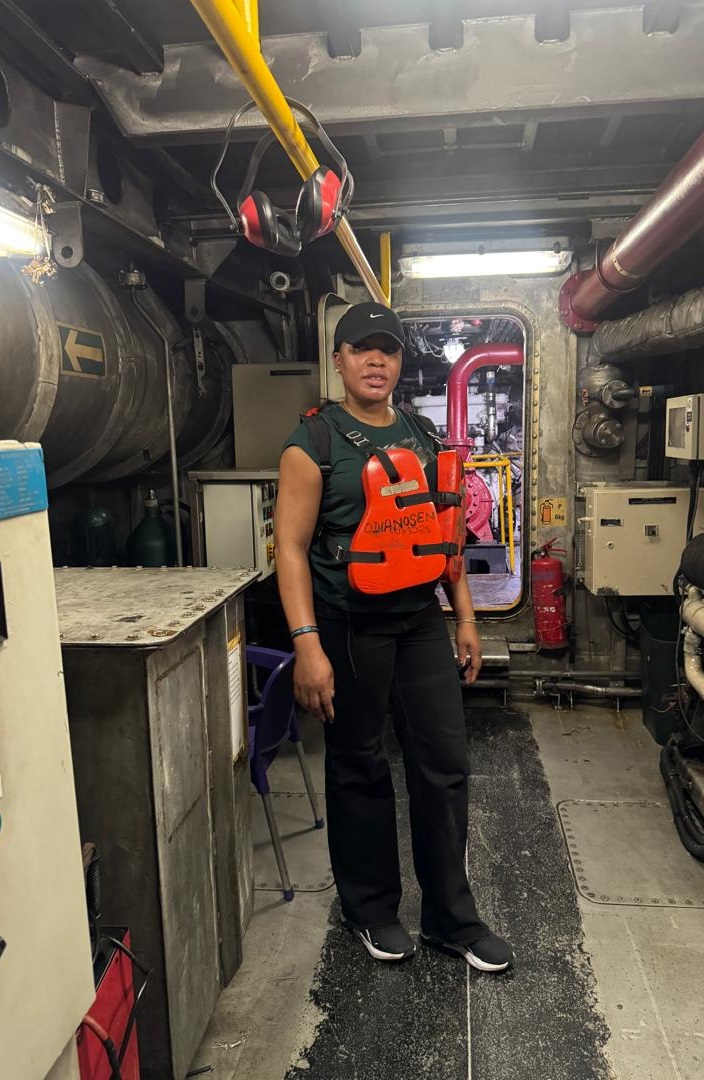 We understand the terrain, and we’re dependable. In this line of work, if people can’t rely on you, you’re already out. We’re also very intentional we don’t just show up, we deliver.
6. How do you navigate leadership and assert authority as a woman managing teams in a traditionally male-dominated maritime security environment?
I don’t overthink it I just know my work. I’m clear, I’m firm, and I don’t try to shout to be heard, but I shout small sha Lol. Once you’re consistent and you deliver, people adjust. Simple.
7. Have you faced gender-specific barriers on your way to your current role? How did you overcome them?
Yes, you’ll be underestimated at some point it comes with the territory. But I don’t waste energy fighting it. I let my results do the talking. Eventually, the same people that doubted you will recalibrate, las las everyone will be alright.
8. Do you see progress in gender inclusion in the sector? What still needs to change?
 There’s progress, and that’s good to see. More women are stepping in. But we need more women in rooms where decisions are made, not just present but influencing.
9. From your perspective, what are the biggest maritime security challenges in Nigeria and the Gulf of Guinea today?
Piracy is still there, illegal activities haven’t disappeared, and coordination can improve. There’s also a strong need for better technology and continuous capacity building.
10. What advice would you give to young African women who want to build a career in maritime security?
Don’t count yourself out before you even start. Learn the space, ask questions, and be intentional about growing, stay consistent, and be confident in what you bring. You might be the only woman in the room sometimes no problem, take your seat properly.
Mrs. Helen Mba
1. Can you introduce yourself and describe your current role within your organization?
 My name is Helen Mba, a Maritime and Security Operations Professional and a certified Port facility security Officer with over eight years of experience spanning port facility security, maritime operations, and security training. I currently work as a Security and Maritime Operations Lead at Consummate Protections Limited, where I am responsible for coordinating operations, supervising personnel deployment, and ensuring compliance with established international security standards. In addition, I serve as the Public Relations Officer for the Port Facility Security Officers Forum of Nigeria (Lagos Maritime Security Zone).
2. What has been your career path leading to your current position? Was there a defining moment that shaped your ambition in this field?
My professional journey has evolved through hands-on experience and continuous capacity development within the maritime security space. I began my career at Nigerian Maritime Administration and safety Agency (NIMASA) in the ISPS Code Unit, where I was directly involved in regulatory enforcement and ensuring compliance at port facilities in different ports across the nation. I later joined DAC Maritime Training Institute, where I functioned as a Training Coordinator and was actively engaged in ISPS Code implementation and stakeholder engagement across different sectors. A pivotal moment for me was my involvement in port facility inspections and Assessment, where I observed clear gaps in compliance and operational execution. That exposure reinforced my commitment to strengthening maritime security frameworks and inspired my drive toward leadership in this field.
3. What are your main responsibilities in managing operations or strategy?
My role involves overseeing day-to-day security operations, managing personnel, and supporting strategic decision-making. I coordinate training, and deployment processes while ensuring that all operations align with standard procedures and global best practices. I also carry out risk assessments, monitor performance metrics, and contribute to the development of strategies aimed at improving operational effectiveness and minimizing security risks.
4. What are the key services your company provides, and what are your main areas of expertise?
Consummate Protections Limited offers a range of services including manned guarding, telematics solutions, risk assessment, access control management, and security consultancy. My professional strengths are centered on port facility security, ISPS Code compliance, operational risk management, training and development of security personnel.
5. What makes your company unique or competitive in the maritime security sector?
Our distinct advantage lies in our integrated approach to security. We combine physical security services with technology-driven solutions such as telematics, which enhances monitoring, accountability, and response efficiency. We also prioritize continuous training and strict adherence to international standards, ensuring that our personnel are not only present but also highly competent and effective.
6. How do you navigate leadership and assert authority as a woman managing teams in a traditionally male-dominated maritime security environment?
I approach leadership with a focus on competence, clarity, and consistency. In this industry, credibility is built on knowledge, discipline, and the ability to deliver results. I maintain clear communication, set firm expectations, and ensure accountability across my team. Over time, this approach naturally establishes authority and earns professional respect.
7. Have you faced gender-specific barriers on your way to your current role? How did you overcome them?
There have been instances where my abilities were initially questioned, largely due to gender perceptions. I addressed these challenges by remaining focused on delivering results, continuously improving my skill set, and maintaining a high level of professionalism. Consistency and performance have been key in overcoming such barriers and building trust.
8. Do you see progress in gender inclusion in the sector? What still needs to change?
There is evident progress, as more women are entering the maritime security field and taking on operational roles. However, there is still a gap in leadership representation. Greater efforts are needed in mentorship, policy support, and intentional inclusion strategies to ensure that women can advance and thrive at higher levels within the industry.
9. From your perspective, what are the biggest maritime security challenges in Nigeria and the Gulf of Guinea today?
Some of the most pressing challenges include piracy, sea robbery, insider threats, and lapses in access control systems. Over-familiarity among personnel continues to create vulnerabilities, while weak enforcement of security protocols further complicates the situation. Additionally, limited integration of modern technology and inconsistent training standards reduce the overall effectiveness of security operations.
10. What advice would you give to young African women who want to build a career in maritime security?
Be intentional and committed to your professional development. Pursue relevant certifications, gain practical experience, and stay disciplined in your approach. The industry may be male-dominated, but competence and consistency will always stand out. Build strong networks, stay updated on global best practices, and position yourself as a professional who brings solutions and value to the table.
Mrs. Temitope Adeyele-Akinlabi
1. Please introduce yourself and your company in a few lines.
 My name is Temitope Adeyele-Akinlabi, most people call me Temi. I am the Founder and Managing Director/CEO of TAMS Marine Limited, an indigenous marine support company based in Lagos, Nigeria. At TAMS Marine, we deliver offshore logistics, armed escort services, crew transfers, and vessel operations support primarily to clients in the oil and gas sector. We are a young company with a clear identity, we are professional, precise, and deeply committed to safety and operational excellence on water.
2. What has been your career path leading to creating your own maritime security company? Was there a defining moment that shaped this ambition?
My journey into maritime began at Gimbrown Marine Oil & Gas Limited, where I learnt the operational foundations of vessel management and offshore logistics. That experience gave me a real appreciation for how complex and consequential this industry is. Lives, assets, and national resources all depend on how well we execute. I then moved to Agwe Global Limited as Director and Head of Operations, where I took on broader responsibilities in maritime risk management, regulatory compliance, and security coordination across offshore platforms.
The defining moment came when I realised that the gap between the standard of service clients deserved and what was consistently being delivered was still very wide. I believed I had both the knowledge and the drive to close that gap. In 2023, I founded TAMS Marine not just to build a business, but to build a standard.
3. What has been your biggest challenge as a founder in this sector and how did you overcome it?
Trust is the biggest currency in maritime security, and as a new entrant and a woman at that earning it quickly enough to win contracts is genuinely hard. Clients in the oil and gas space are risk-averse by nature, and they default to established names. My approach was to be relentlessly thorough: every proposal, every operational plan, every safety protocol we put forward had to speak for itself. I also leaned heavily on the relationships and reputation I had built over the years before founding TAMS Marine. People who had worked with me knew my standards. That credibility became the foundation we built the company on.
4. What key services or solutions do you offer, and which ones are most in demand today?
 TAMS Marine offers vessel chartering, armed maritime security escort services, crew transfer operations, and offshore logistics support. Right now, the demand for armed escort services and crew transfers is particularly high, driven by the ongoing security challenges in the Niger Delta and across the Gulf of Guinea. Clients want assurance they want to know that their people and assets will move safely from point A to point B, and that the company managing that movement has the expertise and the systems to guarantee it.
5. Who are your typical clients or partners, and what value do they gain from working with you?
Our clients are primarily oil and gas companies both international operators and indigenous players who require reliable marine support for their offshore operations. The value we bring is a combination of operational competence, local intelligence, and a personal accountability that larger, more bureaucratic companies sometimes struggle to maintain. When you work with TAMS Marine, you are working with a leadership team that is directly invested in the outcome of every operation.
That matters enormously in a high-stakes environment.
6. How do you navigate leadership as a woman in a traditionally male-dominated industry?
I lead with competence first. I have found that when people see that you know what you are doing that you understand the technical details, that you can make sound decisions under pressure, that you hold your team to high standards the conversation about gender becomes secondary. That said, I do not pretend the dynamics are not there. I navigate them with confidence, patience, and a clear sense of who I am. I do not shrink in rooms where I am the only woman. I occupy the space I have earned.
7. Have you faced gender-specific barriers as an entrepreneur? How did you address them?
Absolutely. There are rooms I have walked into where the assumption was that I was representing someone else that the real decision-maker would follow. There have been negotiations where my terms were tested more aggressively than they would have been for a male counterpart. I address it directly but without drama. I establish authority early through preparation, precision, and presence. Over time, results speak, and results have no gender.
8. Do you see progress in gender inclusion in the sector? What still needs to change?
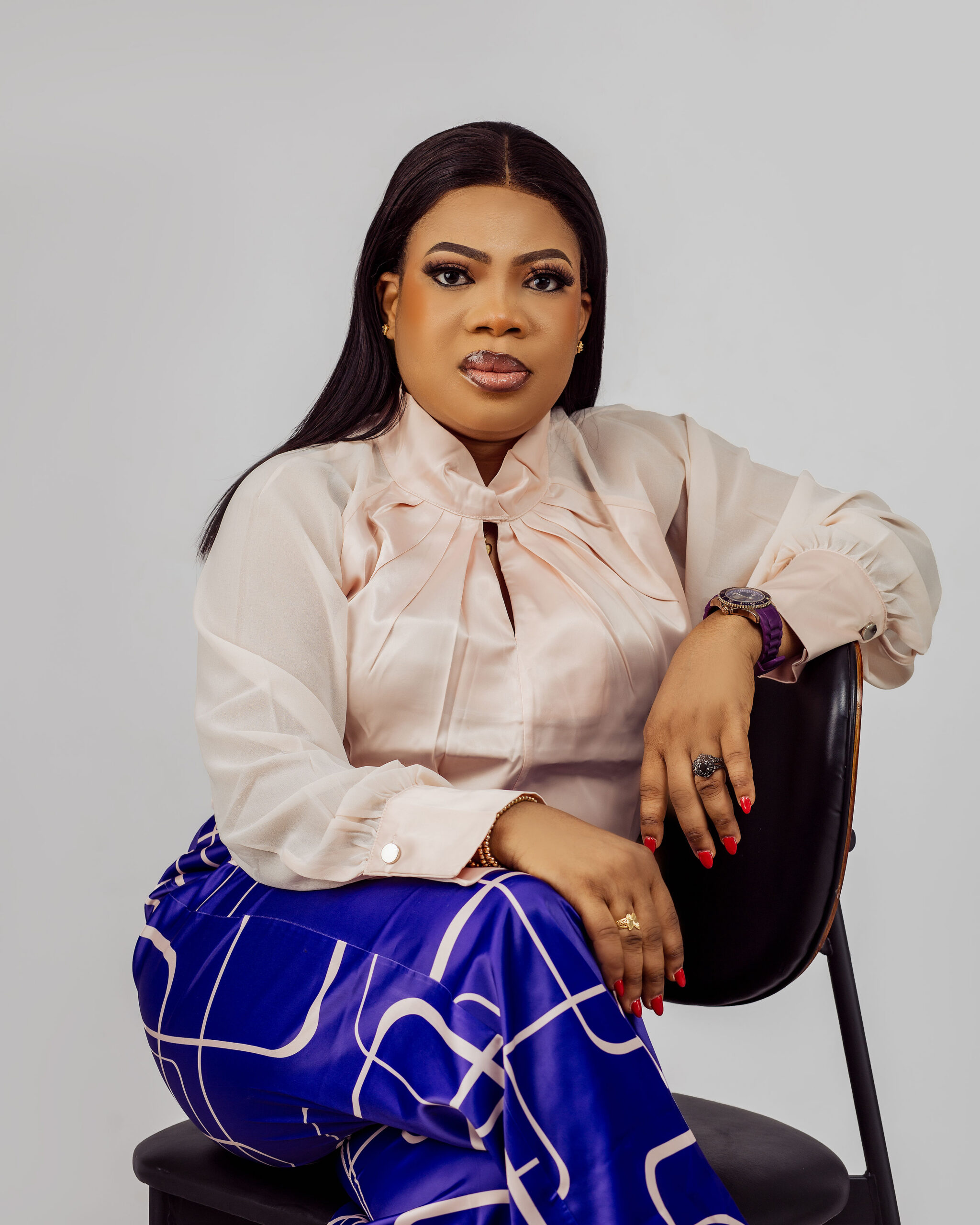 There is progress, and I want to acknowledge that honestly. More women are visible in Nigerian maritime today than when I started in operations, in regulation, in leadership. But visibility is not the same as equity. Women still face structural barriers around access to financing, access to highvalue contracts, and access to the informal networks where real decisions are made. What needs to change is intentional policy from regulators like NIMASA and from the industry’s major players to create pathways, not just photo opportunities.
9. In your view, what are the most pressing maritime security challenges in Nigeria and the Gulf of Guinea?
Piracy and armed robbery at sea remain serious threats, particularly in the Gulf of Guinea, which for several years has held the unfortunate distinction of being the world’s most piracy-prone region.
Beyond piracy, there is the challenge of illegal oil bunkering, which fuels instability and erodes Nigeria’s revenue base. Underlying both is a governance challenge insufficient coordination between naval forces, the Nigerian Maritime Administration and Safety Agency, and private security operators. We need stronger information sharing, more robust patrol infrastructure, and clearer frameworks for how private maritime security companies operate alongside state actors.
That is a conversation I am always willing to be part of.
10. What advice would you give to young African women who want to launch a business in maritime security?
First, master the industry before you try to own a piece of it. Spend time in operations understand how vessels move, how risk is assessed, how decisions are made at sea and in the boardroom.
Second, build your network with the same energy you build your skills. This industry runs on relationships and reputation.
Third, do not wait for permission or for perfect conditions. I founded TAMS Marine with a vision and a commitment to excellence the systems, the team, and the growth followed that decision, not the other way around.
And finally, find other women in this space and support each other deliberately. Our collective success changes the landscape for every woman who comes after us.
Mrs. Yetunde Olori-Oladipo
1. Please introduce yourself and your company in a few lines.
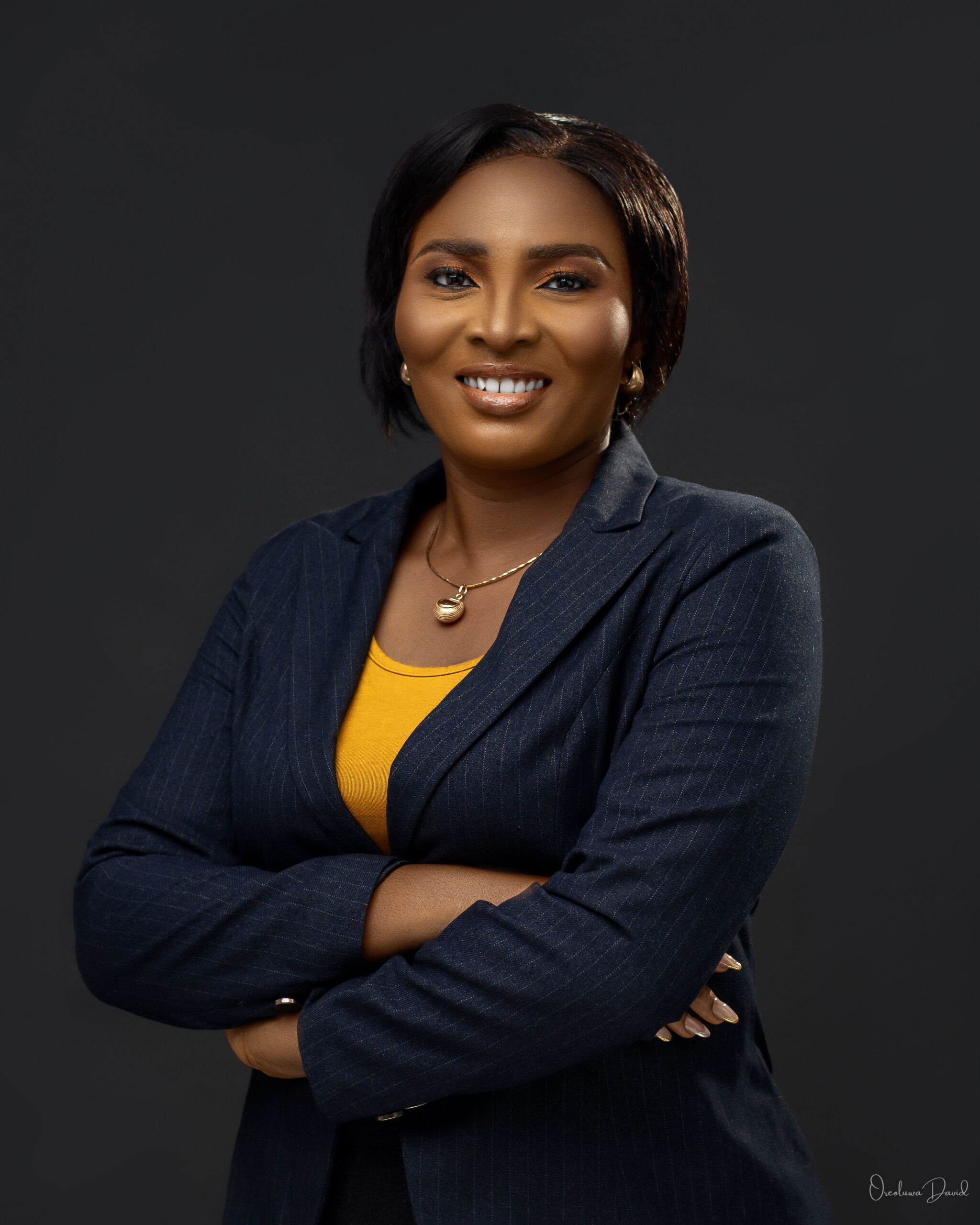 My name is Yetunde Olori-Oladipo, and I’m the Managing Director of Blueraft Energy and Marine Services Limited. At Blueraft, we focus on maritime safety, security support, and offshore operational logistics, working closely with maritime and energy operators to ensure vessels, offshore assets, and personnel operate safely, securely, and in full compliance across Nigerian waters.
2. What has been your career path leading to creating your own maritime security-focused company? Was there a defining moment that shaped this ambition?
I started my career in the oil and gas sector, working in project administration, procurement, business development, and land operations support. I also gained experience in mining operations support, handling commercial activities like mineral sampling, lab verification, and liaising with offtakers. This early exposure gave me a solid understanding of risk management, asset protection, and operational realities in high-risk environments.
Later, I moved into maritime security, initially in business development, liaising with clients, expanding services, and contributing to revenue growth. Over time, I became involved in operational support, including vessel repairs, dry-docking coordination, and bunkering. Seeing firsthand how safety and security gaps could disrupt operations, increase costs, and put lives at risk was the defining moment that inspired me to start a company focused on strengthening maritime safety and security systems
3. What has been your biggest challenge as a founder in this sector and how did you overcome it?
Earning the trust of vessel owners was a major challenge, especially in a sector where safety, legality, and reputation are critical. Many preferred established providers, making it hard for a new company to gain traction. We overcame this by forming strategic partnerships and operating within approved frameworks, gradually building credibility and earning client trust through consistent performance.
4. What key services or solutions do you offer, and which ones are most in demand today?
 Blueraft offers maritime security support, safety equipment supply, offshore logistics, and operational assistance for vessel and offshore asset owners. Currently, the most in-demand services are safety equipment provision and security support, which help clients maintain safe, uninterrupted operations at sea.
5. Who are your typical clients or partners, and what value do they gain from working with you?
We work with Vessel Operators, International Private Maritime Security Companies, Offshore Contractors, and Shipping Agents. Our clients value us because we help reduce operational risks, ensure compliance, and make safety and security a natural part of their daily operations.
6. How do you navigate leadership as a woman in a traditionally male-dominated maritime security space?
Leadership in maritime security requires confidence, technical knowledge, and decisiveness under pressure. I stay closely involved in operational details and lead in a way that is firm, informed, and collaborative. Over time, consistently demonstrating competence has earned me respect in spaces where women are often underrepresented.
7. Have you faced gender-specific barriers as an entrepreneur? How did you address them?
Yes, there have been moments when my role or technical capacity was underestimated because I am a woman. In meetings involving vessel operations or offshore logistics, assumptions were sometimes made about my level of technical involvement. I addressed this by being prepared, speaking with clarity on operational issues, being on ground and ensuring that my contributions consistently reflected deep industry knowledge. Results and professionalism helped change those perceptions.
8. Do you see progress in gender inclusion in maritime security? What still needs to change?
 Yes, there has been visible progress in gender inclusion within maritime security and the broader maritime sector, particularly in terms of awareness, policy discussions, and the formation of professional networks for women. Initiatives by organizations and Agencies like the IMO, NIMASA, WISTA, WIMAFRICA, and WIMOWCA have created platforms, training, and recognition programs encouraging more women to enter the sector. But it’s not just about recruitment, we still need better retention, leadership representation, and operational inclusion, especially in security-sensitive roles. Mentorship pathways, inclusive vessel environments, and policies supporting long-term career growth are key to real change.
9. In your view, what are the most pressing maritime security challenges in Nigeria and the Gulf of Guinea?
The majoy challenges include piracy, illegal oil bunkering, drug trafficking, and illegal, unreported, and unregulated (IUU) fishing. On top of that, as shipping becomes more digitized, the maritime sector has become a growing target for cybercriminals, making it essential for countries in the Gulf of Guinea to prioritize cybersecurity through stronger regional cooperation and alignment with standards from the International Maritime Organization.
10. What advice would you give to young African women who want to launch a business in maritime security?
My advice to young African women entering maritime security is to build strong technical knowledge, seek mentorship, and focus on partnerships to gain credibility in a complex industry. Engaging with professional networks like WISTA, WIMAFRICA, and WIMOWCA can also provide vital support, visibility, and career opportunities.