Comoros Strengthens Regional Maritime Cooperation Through the Safe Seas for Africa Project
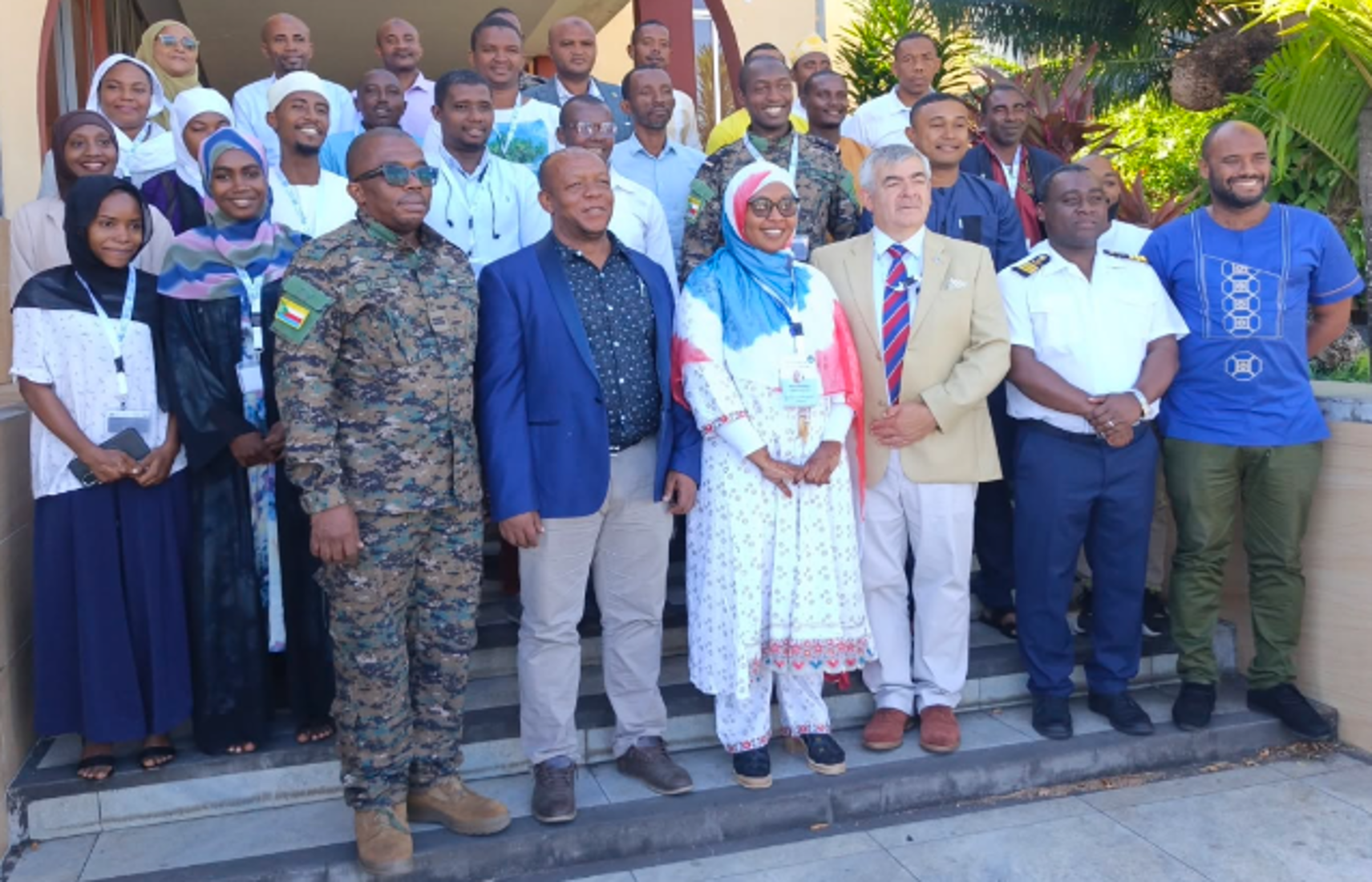
In a context marked by evolving maritime threats and the growing need for enhanced cooperation among the coastal States of the Western Indian Ocean, the Union of the Comoros continues its efforts to strengthen maritime governance and improve inter-agency coordination.
As part of this commitment, a national workshop is being held in Moroni from 30 June to 3 July 2026 to develop a national roadmap under the European Union-funded Crisis Response Project. The workshop brings together the National Centre for State Action at Sea (CNAEM) and the country’s key maritime institutions, including the National Maritime Affairs Agency (ANAM), the National Civil Aviation and Meteorology Agency (ANACM), the Comorian Coast Guard, the National Fisheries Monitoring and Surveillance Centre (CNCSP), and the National Gendarmerie.
Organized under the Safe Seas for Africa (SSA) programme, funded by the European Union and implemented by the Indian Ocean Commission (IOC), the workshop represents an important milestone in strengthening the country’s maritime safety and security framework. The SSA programme aims to enhance the capacity of the signatory States of the Regional Maritime Security Architecture (RMSA) to prevent, detect, and effectively respond to maritime incidents and crises while promoting stronger regional cooperation.

The discussions focus on several key strategic priorities. These include improving coordination among the various government agencies responsible for maritime governance, strengthening Maritime Domain Awareness (MDA), and developing an effective mechanism for collecting, analysing, and sharing information related to maritime activities.
The workshop also addresses the legal, technical, and operational requirements necessary for establishing and operating an efficient National Maritime Information Sharing Centre. Such a centre has become an essential tool for enabling national authorities to maintain a comprehensive overview of their maritime domain, anticipate emerging risks, and coordinate responses to incidents at sea more effectively.
For the Comoros, where a significant share of the national economy relies on maritime activities, international trade, and marine resources, strengthening surveillance and coordination mechanisms represents a major strategic priority.
Combating Illegal, Unreported and Unregulated (IUU) fishing, illicit trafficking, marine pollution, irregular migration, and other transnational maritime threats requires close cooperation among national institutions as well as with regional partners.
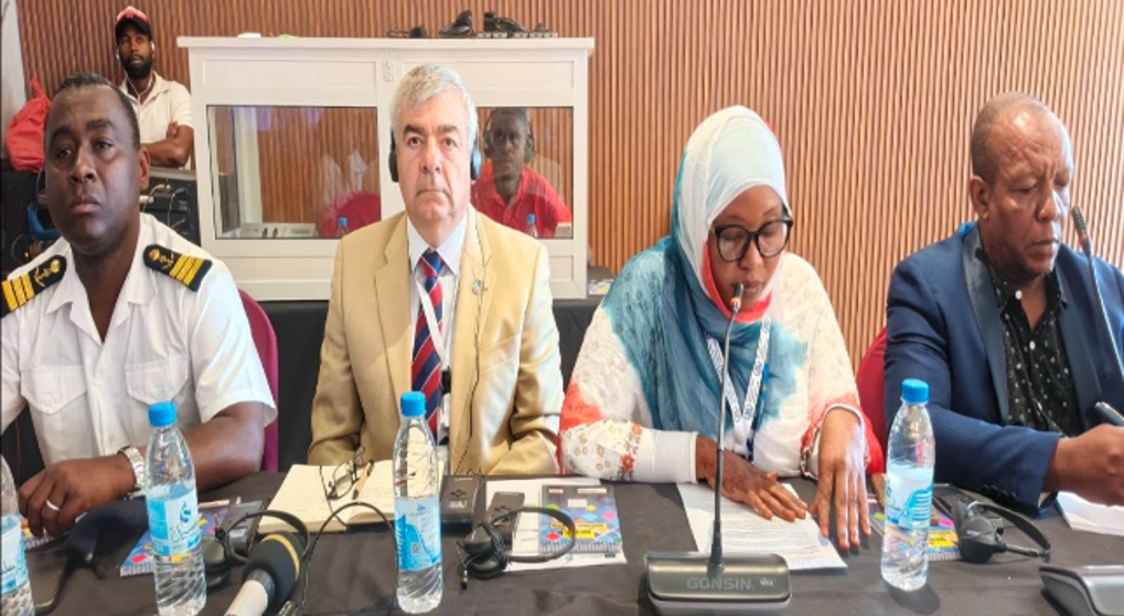
This initiative also contributes to strengthening the integration of the National Centre for State Action at Sea (CNAEM) within the regional maritime security architecture established across the Western Indian Ocean. This architecture is built on close cooperation between regional maritime information-sharing centres, coastal States, and international organizations committed to promoting maritime safety and security.
On this occasion, the Regional Maritime Information Fusion Centre (RMIFC) is actively participating in the workshop through the presence of Captain Said LAVANI, the Comoros Liaison Officer to the RMIFC. He is serving as an assistant to the International Maritime Organization (IMO) consultant appointed under the Djibouti Code of Conduct (DCoC) to support and facilitate the technical discussions.
His participation illustrates the complementarity between national initiatives and regional maritime cooperation mechanisms. It also reflects the RMIFC’s commitment to supporting Member States in strengthening their national capacities for maritime surveillance, information sharing, and maritime risk management.
Through this workshop, the Comoros is taking another significant step toward consolidating its national maritime security architecture. The expected outcomes will provide a clear roadmap for the establishment and development of the National Maritime Information Sharing Centre, while further enhancing the country’s contribution to regional efforts aimed at ensuring safer, more secure, and more resilient maritime spaces capable of addressing emerging challenges.
By Captain Said LAVANI, Comoros Liaison Officer to the Regional Maritime Information Fusion Centre (RMIFC)