Mauritius – Climate science and regional cooperation key to strengthening ocean resilience
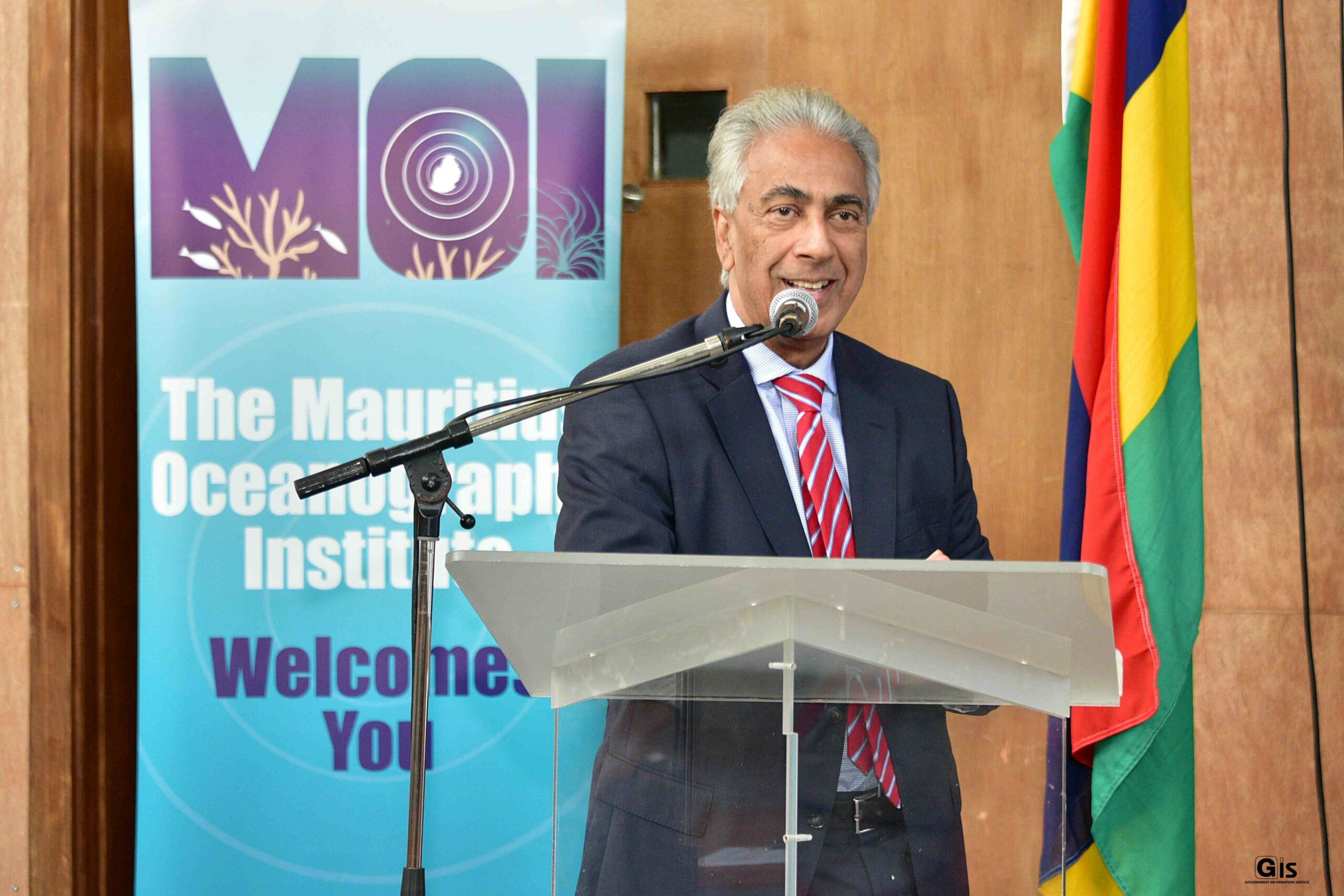
A seminar on “Climate Variability in the South-West Indian Ocean: Understanding El Niño–Southern Oscillation (ENSO) and the Indian Ocean Dipole (IOD)” opened, this morning at the Institut Français de Maurice in Rose Hill, bringing together representatives of the public and private sectors, students, fishermen and regional stakeholders to discuss the implications of major climate drivers for Mauritius and the wider South-West Indian Ocean.
The seminar seeks to deepen understanding of the influence of ENSO and the IOD on the region, translate climate science into practical monitoring and forecasting services, and strengthen regional cooperation to support decision-making in areas including fisheries, coastal management, disaster preparedness and the blue economy.
The Minister of Agro-Industry, Food Security, Blue Economy and Fisheries, Dr Arvin Boolell; the Junior Minister, Mr Gilles Fabrice David; the Attaché de Coopération Educative at the Institut Français de Maurice, Mr Christophe Clanché; the Deputy Director of the Mauritius Oceanography Institute (MOI), Dr Manvendra Singh; and other personalities attended the event.

In his address, Minister Boolell stressed the importance of preparing Mauritius to face the increasingly unpredictable impacts of climate change. He emphasised that preparedness requires coherent policies, stronger national resilience and timely action to anticipate and respond to emerging climate risks.
Referring to key messages from the 2025 United Nations Ocean Conference in Nice, the Minister highlighted the need to strengthen the resilience of ocean states. He pointed out that Mauritius is the largest ocean state in Africa and ranks 23rd globally, with the blue economy constituting an important pillar of the national economy.
Dr Boolell underlined the need to make optimum use of science, technology and innovation to develop effective climate mitigation and adaptation measures. He also highlighted the strengthening of cooperation with France, particularly in addressing the challenges faced by ocean states as a result of climate change.
He described the seminar as an important platform for exchanging information and expertise, identifying appropriate responses to climate-related challenges and consolidating partnerships. He reaffirmed Government’s commitment to enhancing Mauritius’ resilience while ensuring the sustainable development of its ocean resources.
For his part, Junior Minister David stressed that climate variability can have wide-ranging social and economic consequences. He noted its potential impact on food security and tuna migration patterns, with direct implications for the fisheries sector. He emphasised that scientific knowledge is essential to better understand and predict climate risks and develop timely responses.
Mr Clanché highlighted the effects of El Niño on the Indian Ocean and Mauritius and called for stronger national and regional cooperation in ocean and climate monitoring. Such collaboration, he said, is important to safeguard Mauritius’ maritime economy, biodiversity and agricultural activities. He added that the seminar would help strengthen regional partnerships and identify new areas of cooperation to address the impacts of El Niño.
Dr Singh, meanwhile, explained that ENSO and the IOD are two major large-scale climate drivers influencing the ocean around Mauritius. He noted that a strong El Niño event is currently developing in the Pacific, with a high likelihood of a very strong event during late 2026 and into 2027, making the timing of the seminar particularly relevant.
He reiterated the MOI’s readiness to work closely with stakeholders to strengthen climate and ocean monitoring, improve preparedness and develop appropriate emergency responses to potential climate-related impacts.
Source : GIS Mauritius