
Mauritius – Maritime Training Academy: Preparing skilled workforce for careers at sea
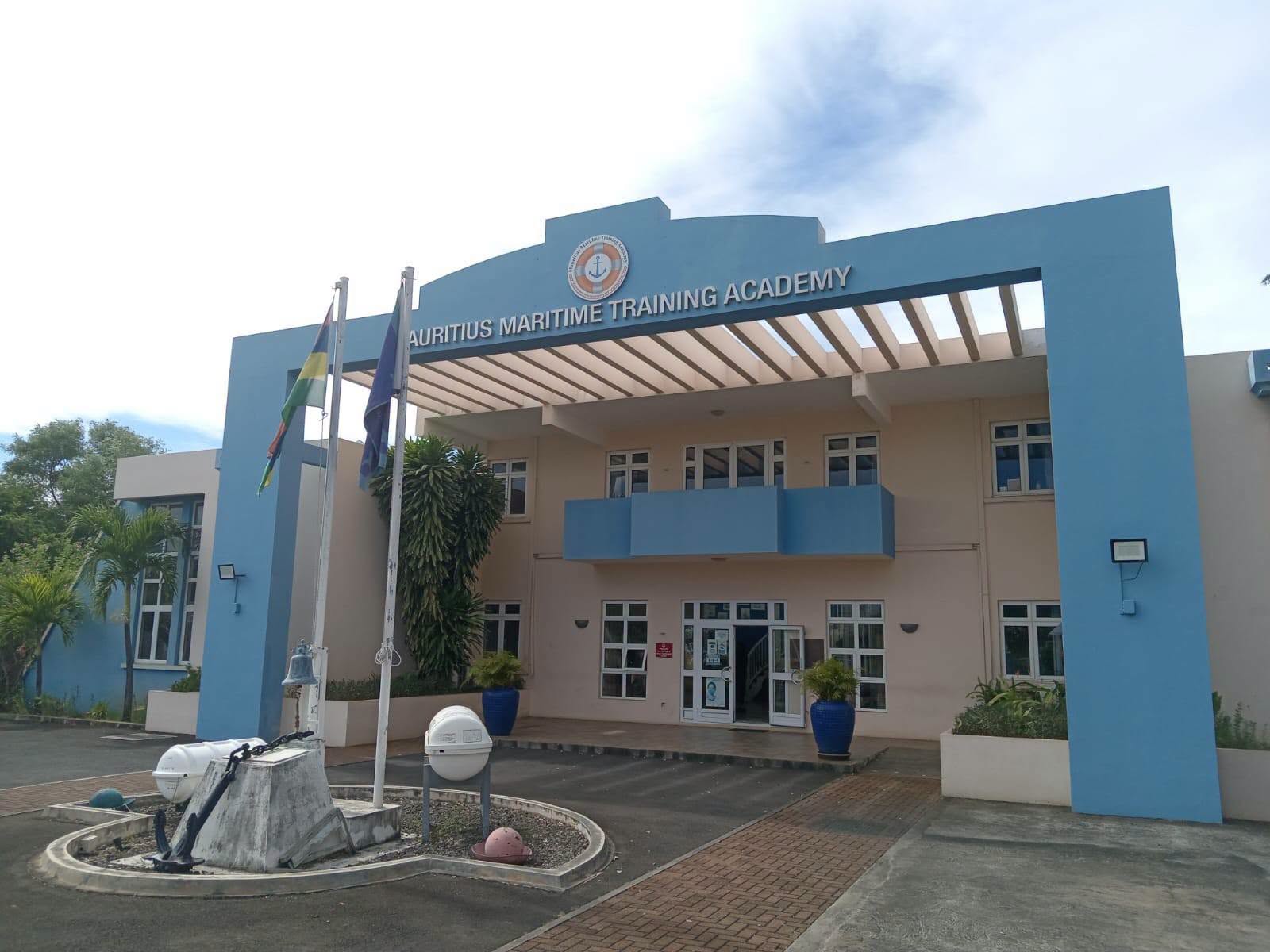
Over the past two years, the Mauritius Maritime Training Academy (MMTA) has trained a total of 724 prospective seafarers including 415 trainees passing out in 2023/24 and a further 309 in 2024/25. For many of these trainees, the Academy is more than a place of learning: it is the first step towards a career at sea, with most students securing employment after completing their courses.
For the Head of the MMTA, Mr Praveen Makool, the figures reflect the Academy’s important role in preparing skilled human resources for an increasingly specialised maritime sector.
“Our objective is not simply to train students and issue certificates. We want to equip them with the practical skills, discipline and knowledge required to work safely and professionally at sea. The fact that most of our trainees find employment after completing their courses demonstrates the relevance and effectiveness of the training we provide,” he says.

Located at Pointe aux Sables, the MMTA is Mauritius’ sole public institution dedicated to maritime education and training for seafarers and prospective seafarers. Operating under the aegis of the Ministry of Agro-Industry, Food Security, Blue Economy and Fisheries, the Academy has been preparing maritime professionals for more than five decades.
Its story dates back to 1970, when the idea of creating a Sea Training School emerged. With the assistance of the Danish Government, the Sea Training School was established under the Ministry of Labour and Industrial Relations, during the tenure of the late Sir Harold Walter as Minister.
Where maritime careers begin
Unlike conventional colleges and universities, the MMTA focuses on intensive, specialised training rather than academic degrees. Its courses are designed to equip trainees with the practical and theoretical skills required to work safely and effectively onboard vessels.
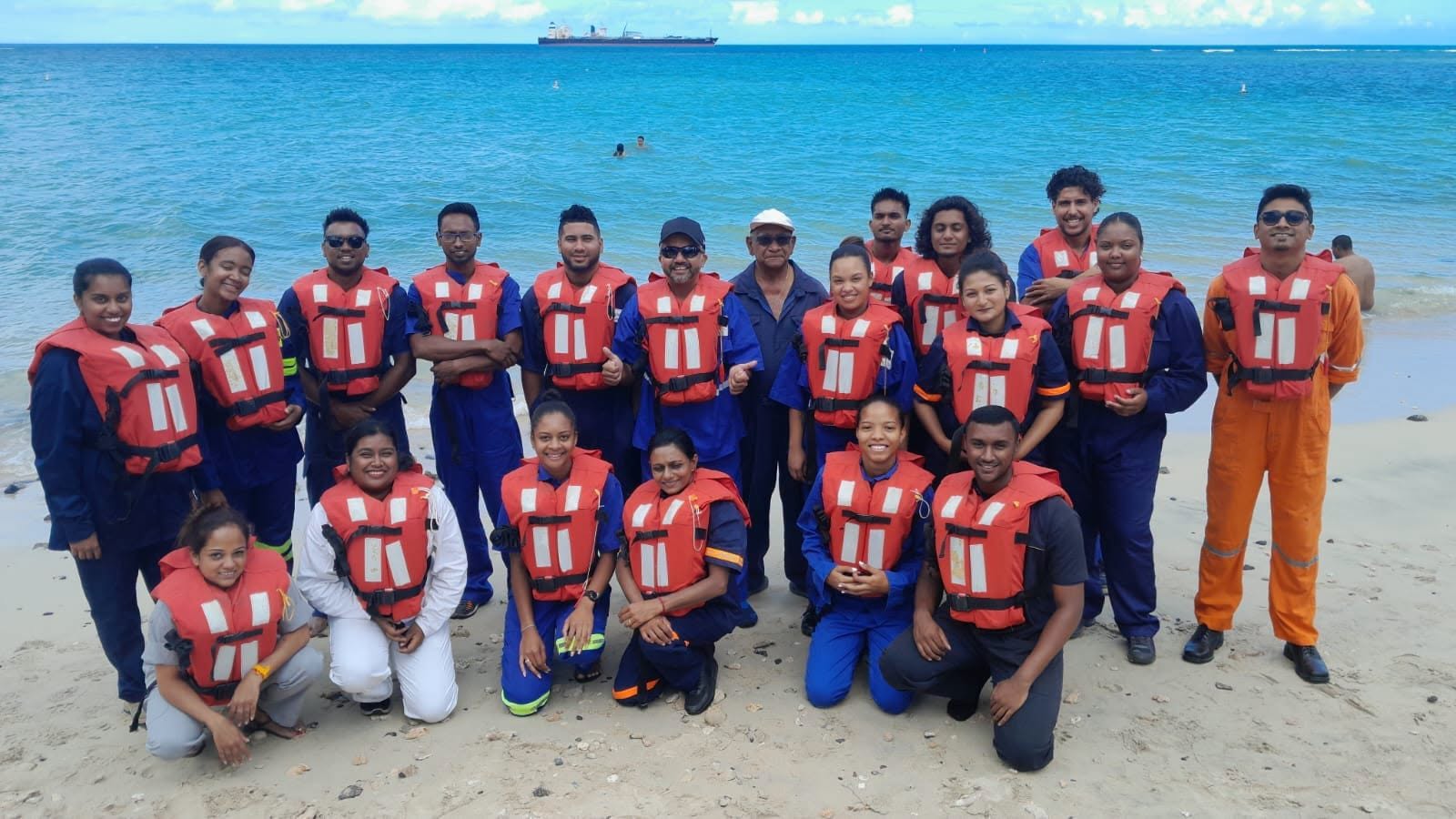
According to Mr Makool, the practical dimension of maritime training is particularly important. “Working at sea requires much more than theoretical knowledge. A seafarer must know how to react in an emergency, how to protect himself and others, and how to perform his duties efficiently under demanding conditions. Our training therefore combines knowledge with practical competencies and a strong emphasis on safety,” he explains.
The Academy currently has the capacity to deliver around 20 courses, covering a wide range of maritime disciplines.
These include Basic Safety Training, covering personal safety and social responsibilities, elementary first aid, fire prevention and firefighting, and personal survival techniques. Other programmes focus on crowd management, crisis management and human behaviour, security awareness, survival craft and rescue boats, and training for ratings working in navigational and engineering watches.
Trainees have the possibility to upgrade their qualifications as Able Seafarer (Deck) and Able Seafarer (Engine), while specialised programmes are available for oil tanker cargo operations and electro-technical officers.
The fishing sector is also catered for, with training programmes for skippers, second hands, chief engineers and second engineers of fishing vessels.
Mr Makool points out that the range of programmes enables the Academy to respond to different manpower needs within the maritime sector.
“The maritime industry is broad, and there are different levels of competence and specialisation required. We therefore need to provide training opportunities not only for people entering the profession, but also for experienced seafarers who need refresher training or wish to upgrade their qualifications,” he says.
Training to international standards
Behind the practical training is a strict international framework.
The MMTA delivers its courses in accordance with the International Maritime Organization’s International Convention on Standards of Training, Certification and Watchkeeping for Seafarers (STCW), 1978, as amended.
The STCW Convention establishes minimum international standards for the training, certification and watchkeeping of seafarers, ensuring that those working at sea possess the competencies required for their responsibilities.
For Mr Makool, maintaining these standards is fundamental to the Academy’s credibility. “When a person goes to sea, safety cannot be compromised. Our training must therefore meet international standards and prepare seafarers to operate in a professional and responsible manner. Compliance with the STCW Convention is at the core of what we do,” he stresses.
The Academy is also ISO 9001:2015 certified and accredited by the Mauritius Qualifications Authority and the Shipping Division.
Its operations are further governed by the Merchant Shipping (Maritime Training Provider) Regulations 2018, which establish requirements relating to approval of training providers, course standards, instructor qualifications, quality management, records, inspections and compliance.
Trainees are also required to undergo a medical examination in line with applicable maritime requirements before undertaking their course, ensuring that they are medically fit for maritime training and service.
Skills for an industry in need
Maritime education and training is not simply about acquiring a certificate. It is about developing a skilled workforce capable of meeting the demands of a highly specialised industry.
The MMTA relies on both full-time and part-time trainers to deliver its programmes, reflecting the specialised nature of maritime expertise and the scarcity of skilled trainers in the sector.
The strong employment prospects of its trainees are an important indicator of the relevance of the Academy’s programmes. Most students trained at the MMTA are already in employment once their courses are completed.
For young Mauritians and others seeking a career connected to the sea, the Academy can therefore provide a direct route into employment in the shipping, port and fishing sectors.
Learning to work with the ocean — and protect it
A modern seafarer must also understand that the sea is not merely a workplace but an ecosystem that requires protection.
Environmental considerations are incorporated into the MMTA’s training programmes, helping trainees understand the importance of responsible maritime practices.
“Seafarers work in a marine environment, so they have a direct responsibility towards protecting the ocean,” says Mr Makool. “Environmental awareness must therefore form part of the overall development of a maritime professional. Safety and environmental responsibility go hand in hand.”
This is particularly relevant for Mauritius, an island nation whose economy, food security, connectivity and development are closely linked to the ocean.
As the maritime sector evolves and environmental concerns become increasingly central to the future of shipping, the ability to combine professional competence with environmental responsibility becomes even more important.
Building Mauritius’ maritime future
The Academy is equipped with four classrooms, each accommodating up to 25 trainees, a chart room, a 184-seat amphitheatre, two mechanical workshops, a library stocked with maritime and engineering literature, a server room, canteen and parking facilities.
Yet its ambitions extend beyond its existing infrastructure and programmes.
The MMTA’s vision is to become a national and regional training centre for seafarers, port workers and other personnel in the shipping sector, with scope to introduce additional courses in the future.
For Mr Makool, this constitutes the next chapter in the Academy’s development.
“Our vision is to strengthen the MMTA as a national and regional centre of excellence for maritime training. There is scope to expand our course offerings and respond to emerging needs in the shipping and port sectors. We want the Academy to play an even greater role in developing the maritime workforce of Mauritius and the region,” he says.
From its beginnings as a Sea Training School in 1970 to its present role as a specialised maritime academy, the institution has remained focused on one fundamental objective: preparing people for the demanding realities of life and work at sea.
With 724 students trained in just two financial years, and most graduates moving into employment, the MMTA is demonstrating that its classrooms are not merely producing certificates. They are helping to mould the skilled workforce that Mauritius needs to strengthen its place in the maritime world.
Source : GIS Mauritius