Somalia accedes to 15 international maritime conventions, marking a historic milestone
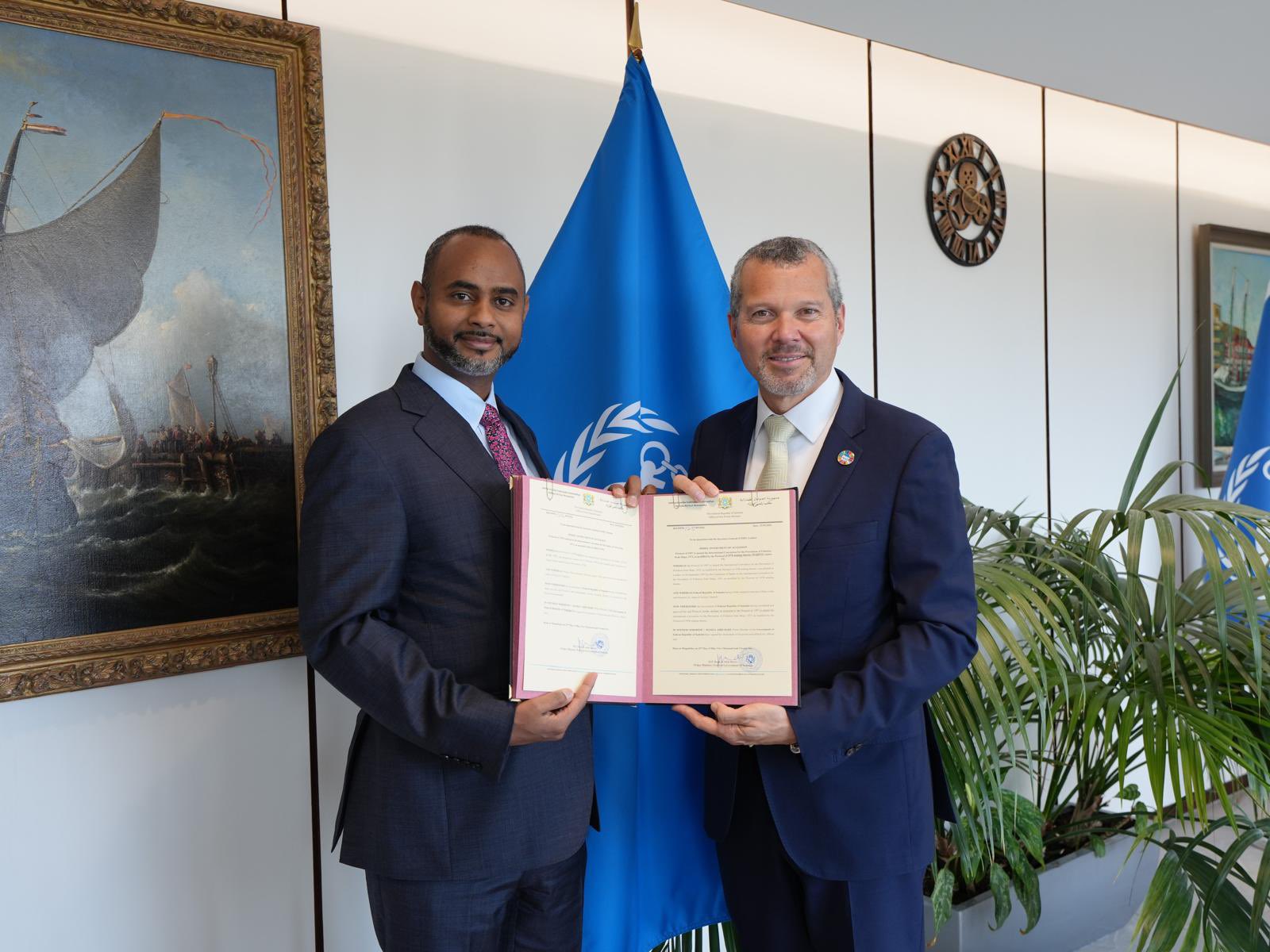
Somalia has taken a major step toward strengthening its maritime sector. On 26 June 2026, the Federal Government of Somalia deposited the instruments of accession to fifteen international maritime conventions with the International Maritime Organization (IMO), marking the largest single deposit of instruments of accession in the Organization’s history.
This landmark achievement reflects Somalia’s strong commitment to modernizing its maritime legal framework and aligning with the highest international standards of maritime safety, security, environmental protection and governance.
The conventions include the International Regulations for Preventing Collisions at Sea (COLREG 1972), the Convention on Facilitation of International Maritime Traffic (FAL 1965), the International Convention on Maritime Search and Rescue (SAR 1979), the STCW Convention (1978), the International Convention on Tonnage Measurement of Ships (1969), the Nairobi International Convention on the Removal of Wrecks (2007), the 1992 Civil Liability Convention (CLC) Protocol, the 1992 International Oil Pollution Compensation Fund (IOPC Fund) Protocol, the OPRC Convention, the MARPOL Protocol, and the SOLAS Protocols of 1978 and 1988, among others.

With Africa’s longest coastline and a strategic location along some of the world’s busiest shipping routes, Somalia recognizes that a safe, secure and well-governed maritime domain is essential for national development and regional stability.
Through these accessions, Somalia aims to modernize its maritime legal framework, improve maritime safety and security, strengthen environmental protection, and fully implement internationally recognized maritime standards. The move also lays the foundation for sustainable blue economy growth, increased international trade and investment, and stronger cooperation with regional and global maritime partners.
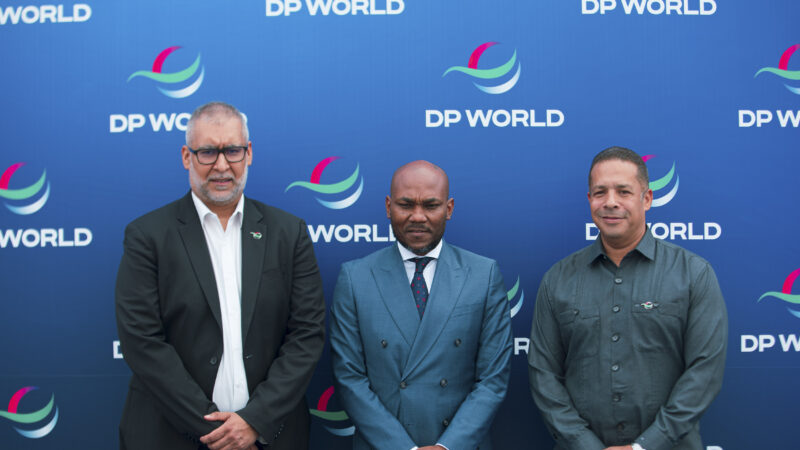
The Minister of Ports and Maritime Transport, Abdulkadir Mohamed Nur, hailed this historic milestone.
“Today, Somalia takes a giant leap forward by acceding to 15 international maritime conventions the single largest expansion of our maritime legal framework since independence in 1960. For decades, despite possessing Africa’s longest coastline and sitting astride some of the world’s busiest shipping lanes, Somalia operated with only three ratified maritime treaties. That gap left our waters vulnerable, our environment unprotected, and our seafarers without the rights they deserve.
With this historic accession, we are changing that narrative. We are now party to the key conventions that govern global shipping, unlocking Somalia’s vast blue economy potential. It is about ensuring that Somali waters are safe, our marine ecosystems are protected from pollution, and our ports operate to the highest international standards.
With Mogadishu and Berbera Ports already ranked the most efficient in East Africa by the World Bank’s CPPI, and with a new state-of-the-art international port on the horizon, this legal upgrade signals to the world that Somalia is open for business, ready for investment, and fully committed to international maritime norms. We are proud to take our rightful place among the community of responsible maritime nations. The future of Somali shipping is bright, and we are just getting started.
We extend our sincere thanks to the Council of Ministers for their support and approval of these historic accessions, the Embassy of the Federal Republic of Somalia in London for its invaluable assistance and coordination, and the dedicated technical team whose expertise and hard work were instrumental in achieving this important milestone for Somalia’s maritime sector.”