Why Ports in West & Central Africa Bleed Revenue – and How SOPs Can Stop It
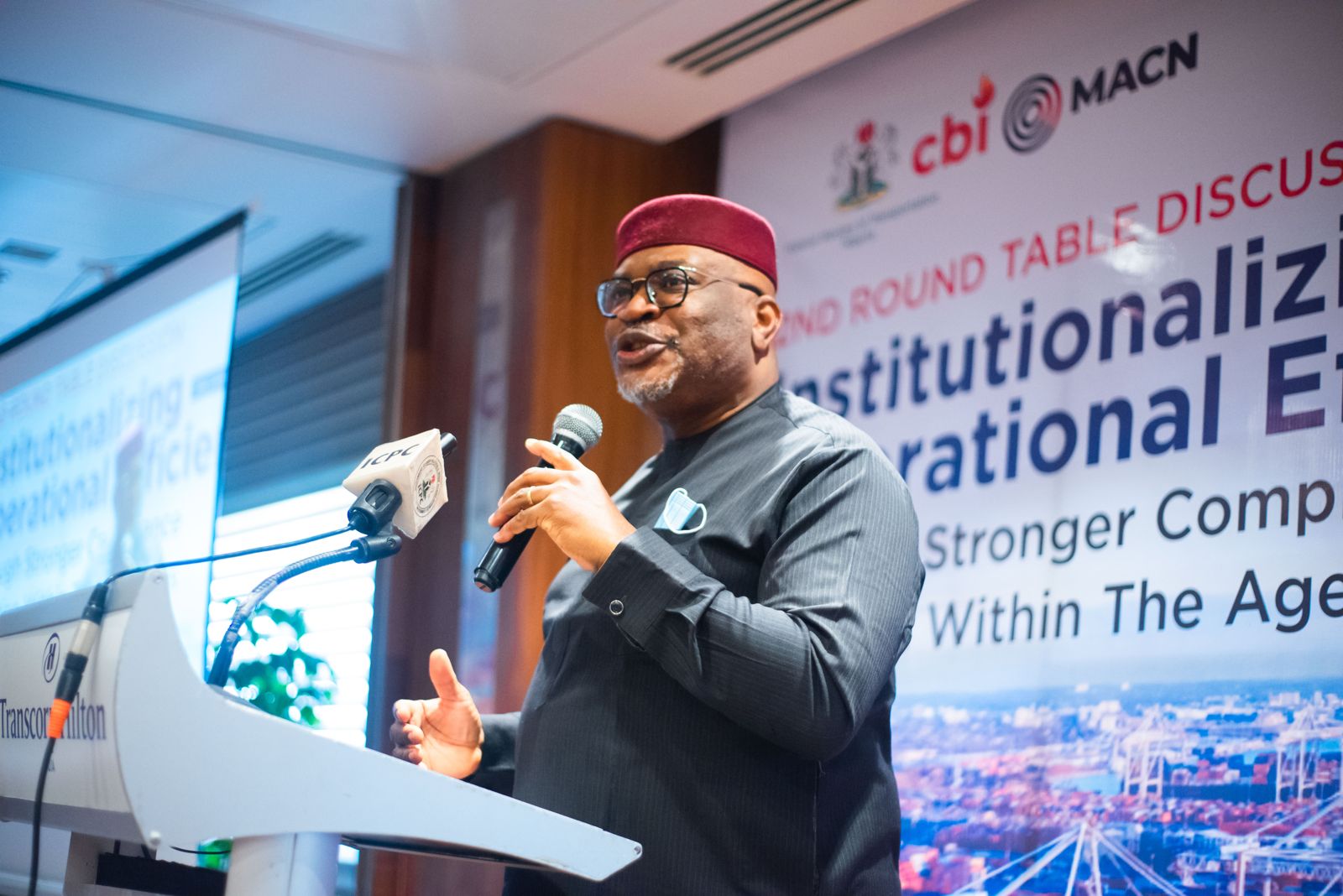
It’s a story all too familiar across West and Central Africa: vessels spend hours, sometimes days, at anchorage waiting for clearance; officials request undocumented “charges”; and port users are left navigating a maze of unpredictable procedures. The cost? Damaged reputations, lost trade opportunities, and millions in leaked government revenue. But this narrative is being rewritten in Nigeria. And the script can serve as a model for the region.
Standard Operating Procedures (SOPs) are changing the game. Where once port operations were shrouded in ambiguity, Nigeria has introduced transparency, efficiency, and accountability. And the results are measurable. Before reform, Nigeria’s ports were among the most complex to navigate. Up to 150 signatures were required to clear a vessel, overlapping mandates created bottlenecks, and corruption flourished in the procedural vacuum. For traders, time was money, and time was routinely wasted.
Today, Nigerian ports operate with a harmonised set of SOPs agreed upon by all relevant agencies. These define, step-by-step, what a port user should expect, what documentation is needed, and what timelines are involved. For example, vessel boarding and rummaging now should take a maximum of 90 minutes, down from multiple days. For example, throughput at APM Terminals has doubled, from 120 to over 230 containers per day, helped by the SOPs on joint cargo inspection.
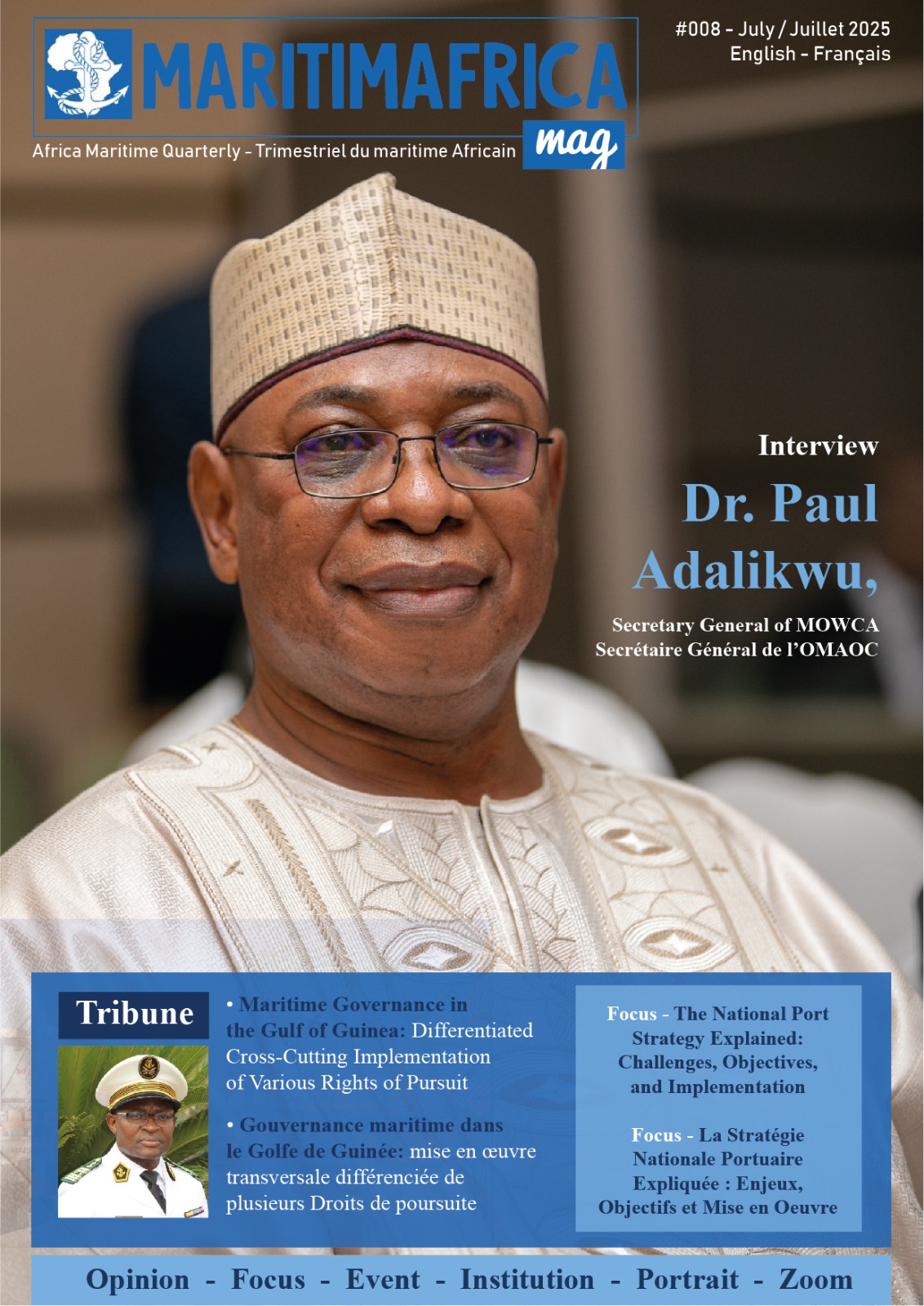 Read the rest of the article on page 52 of the 8th issue of Maritimafrica Mag : https://maritimafrica.com/en/wp-content/uploads/2025/07/Maritimafrica-Mag-juillet-2025-Eng-Fr.pdf